
Calling Bob Window a fan of mid-century design would be something of an understatement. Spend five minutes in his studio and you’ll quickly realise just how deep that appreciation runs.
Bold printed cushions line the walls, lampshades are stacked and standing, and vintage fabrics and curious objects sit comfortably alongside work that has only just come off the screen. There are wonderful colours and patterns everywhere and nothing is particularly shy.
When I arrive at Bob’s studio, I find him stitching together an order of bespoke, hand-printed cushions. This comes as something of a surprise to me because I had apparently decided in my head that Bob was “the designer man” and somebody else did all the making.
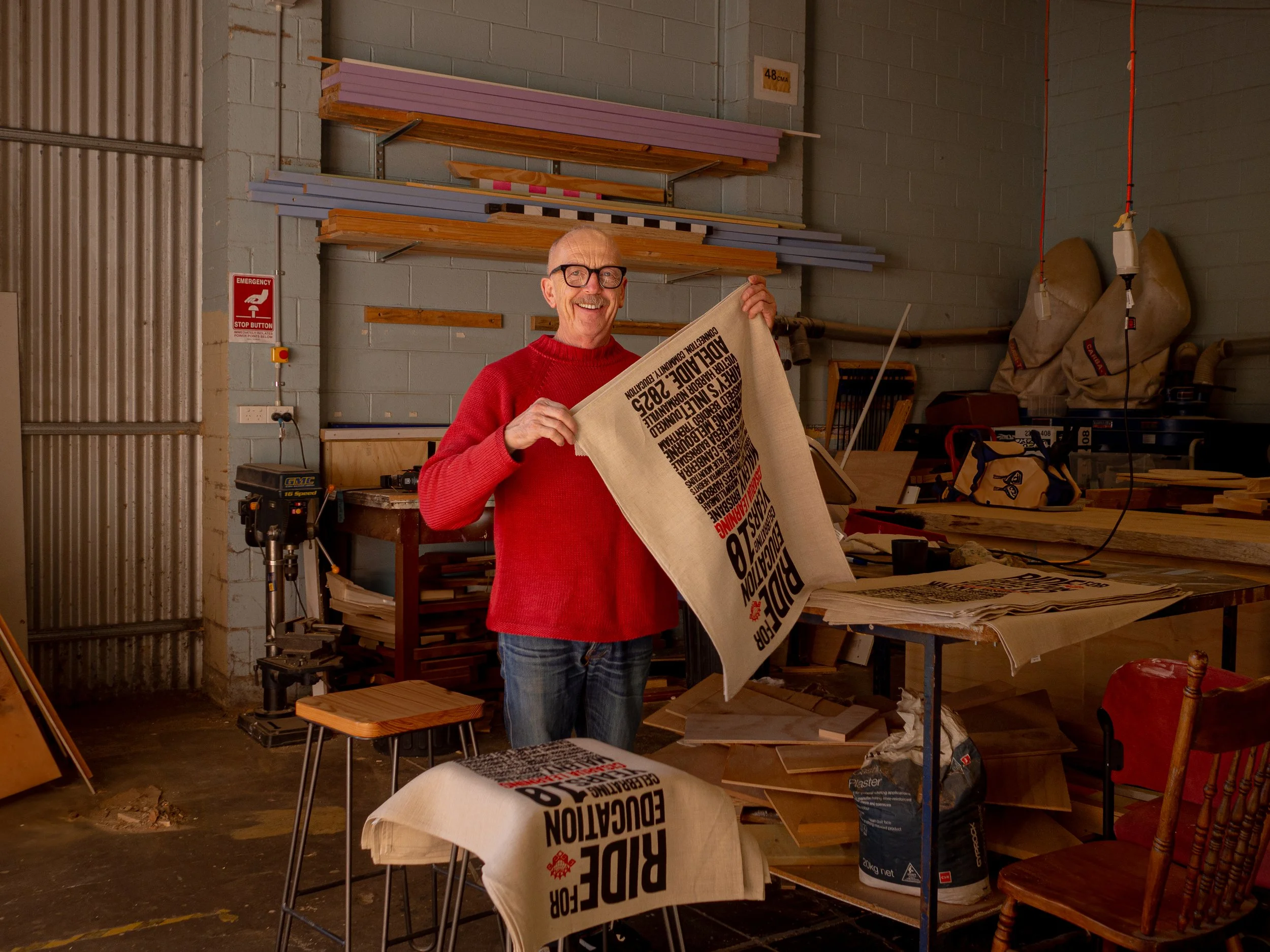
Bob printing a custom order of tea towels. Photo: Carmen Alcedo.
He corrects me, “I print, I make stuff, I do everything”. He certainly does.
A normal studio day, if such a thing exists, involves printing, cutting and making, mixed in with visitors wandering through the door and his responsibilities at The Mill as a board member. When I ask what a typical day looks like, his answer is immediate “chaos”.
There’s something wonderfully warm and familiar about Bob’s studio. Maybe it’s all that colour, but I could quite happily settle in here for a while. Bob, himself, is a big part of that warmth. He’s funny, generous with his time and clearly well known and much loved around The Mill, so it’s hardly surprising that people regularly wander in for a chat.
Bob describes his work as “bold hand-printed textiles with a mid-century bent”, but there is a lot of knowledge and skill behind that simple description. He mixes his own colours and prints his fabrics by hand using screens before turning them into cushions, lampshades and other pieces. Surprisingly, he tells me that some of his boldest designs are also the hardest to print.
A busy pattern can disguise tiny inconsistencies, but when Bob prints full coverage across every square centimetre of fabric, there is nowhere for them to hide. Bob can see tiny faults most people would never notice. “Other people don’t,” he tells me. I’m apparently one of those other people because I can’t see a thing wrong with them.
Then we get onto colour, and I discover there are apparently many things I’ve been getting wrong all my life. Beige, for example, is not simply beige. During his years designing menswear, Bob developed something of a reputation for rejecting fabric samples because manufacturers had provided the wrong beige.
Apparently there are also charcoals that are too red and blacks that don’t match because different fabrics take dye differently. “Black is black? No it’s not.” To Bob’s trained eye, these differences are immediately obvious. To the rest of us, beige is still looking suspiciously like beige.
His fascination with mid-century design runs just as deep. It isn’t simply an aesthetic preference, but something he has loved, studied, collected and lived with for decades. “It’s fresh, it’s clean, it’s functional and yet it’s colourful,” he says.
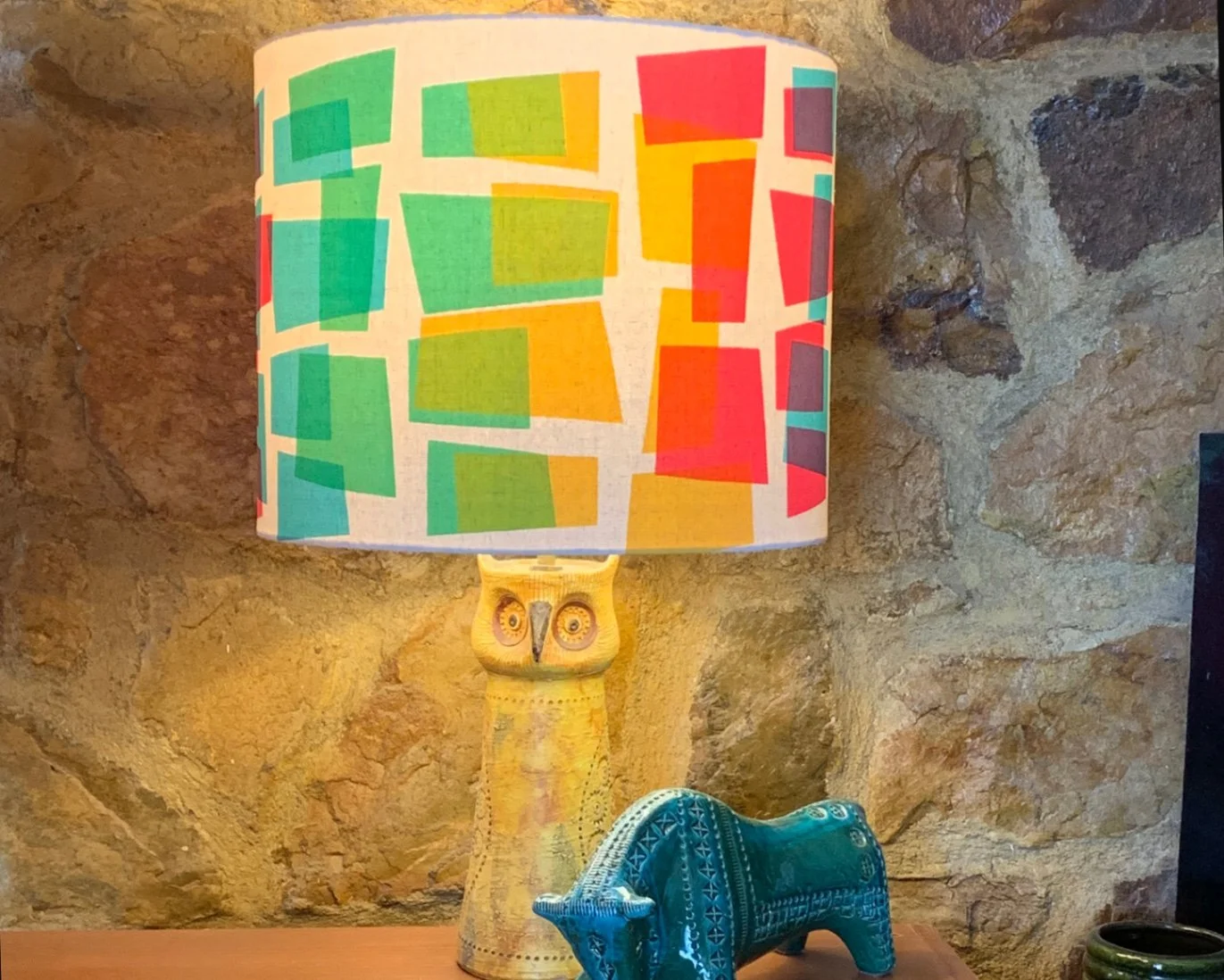
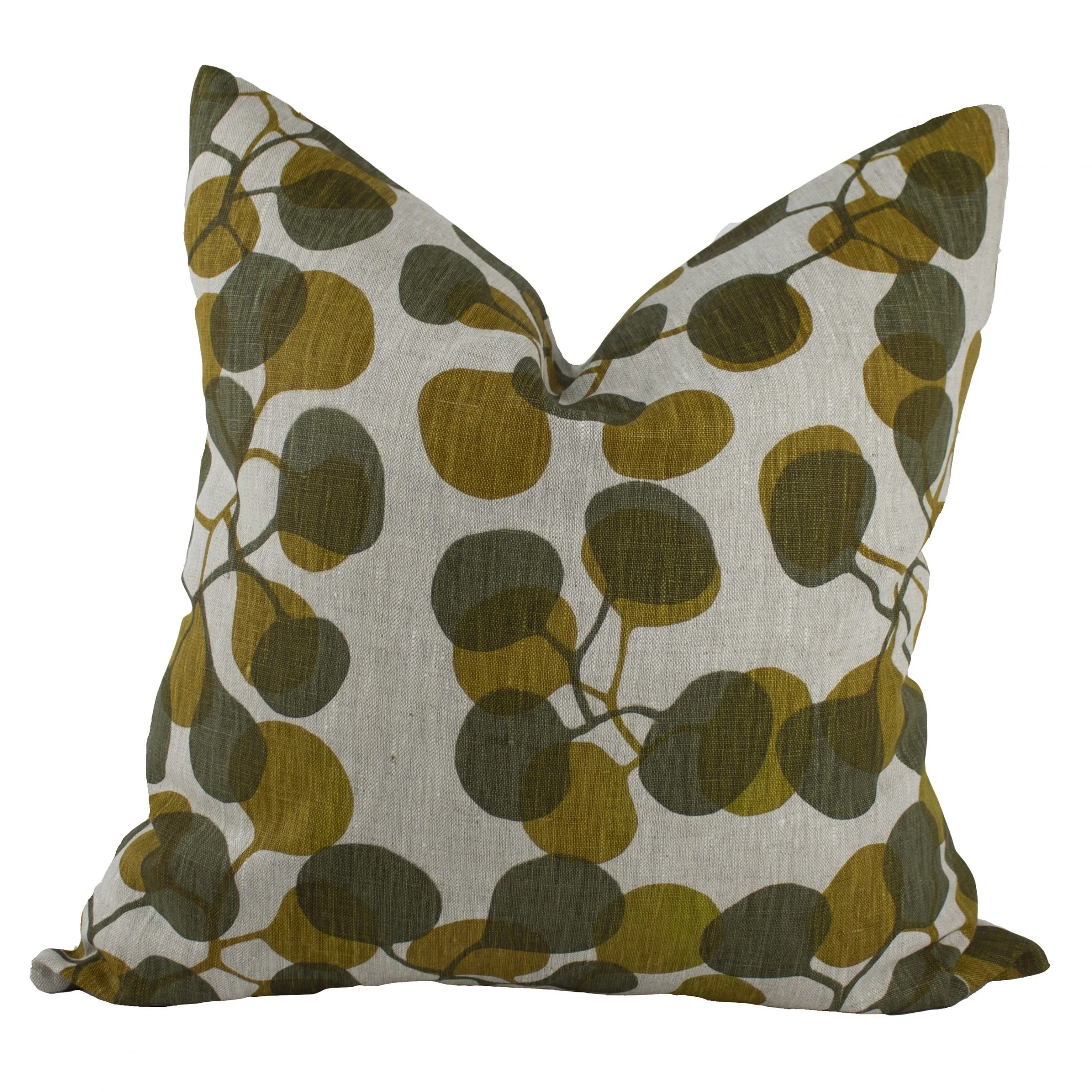
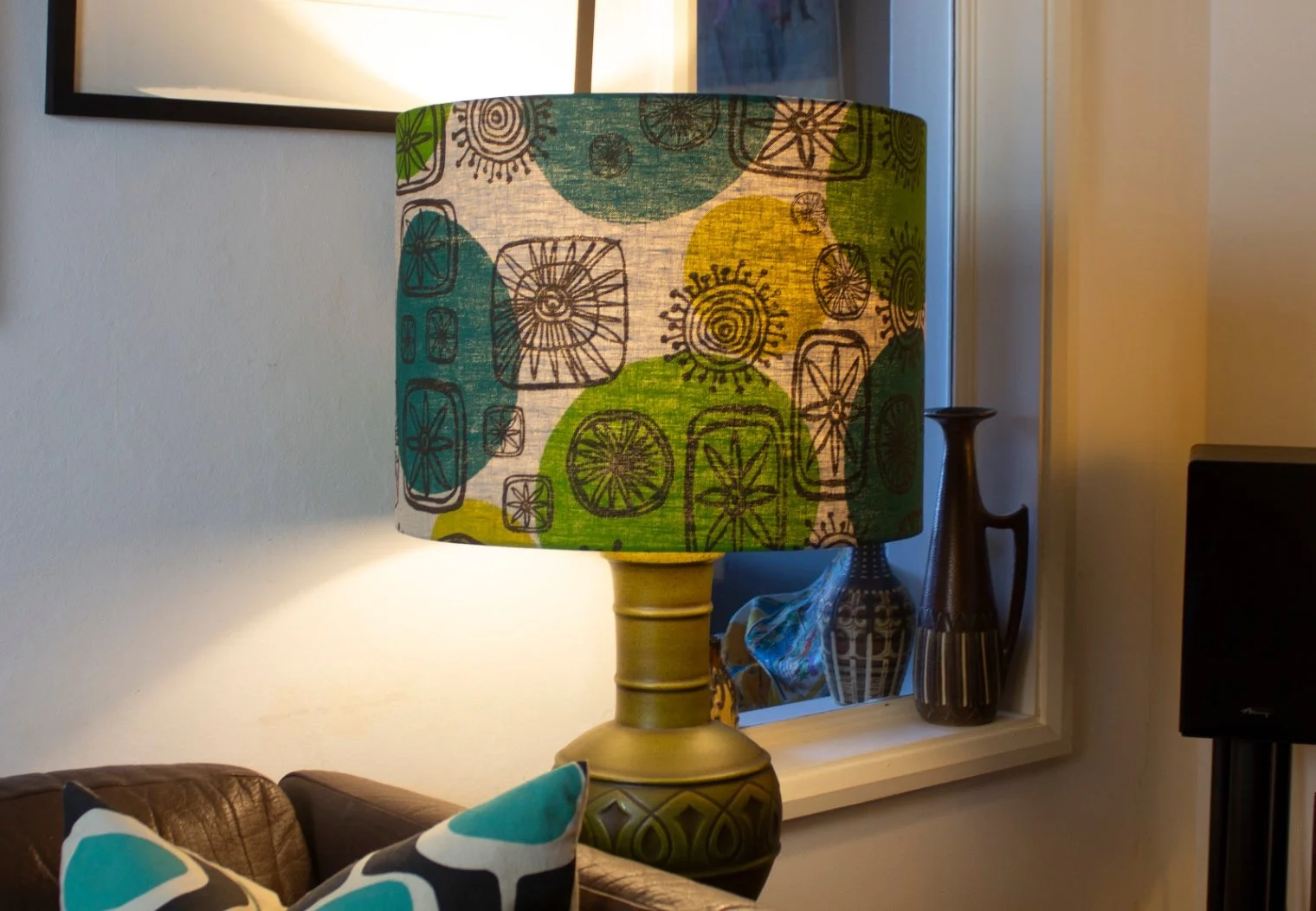
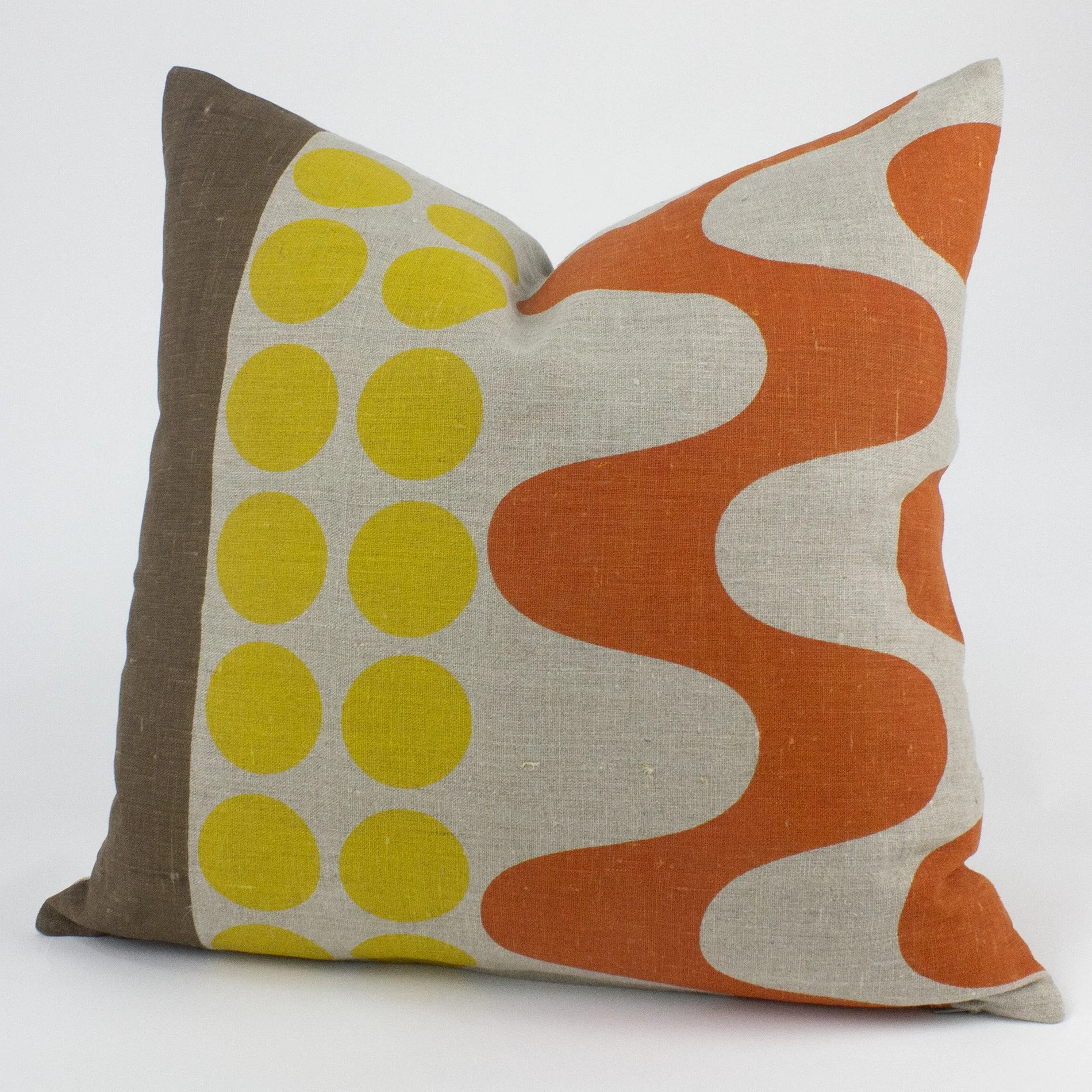
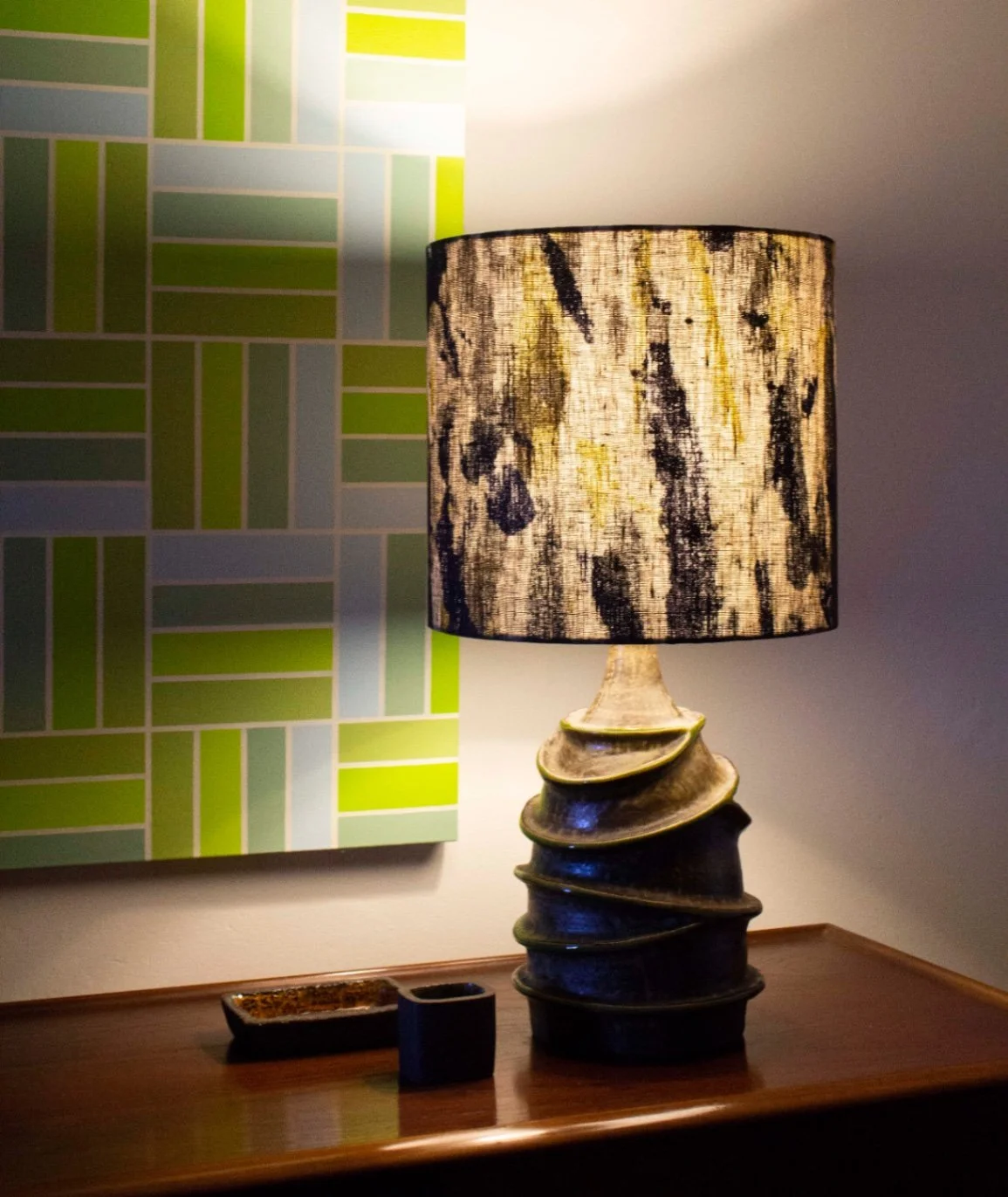
Bob knows the makers and designers behind many of the objects he collects and can apparently spot something interesting in an op shop from a mile away. His home is filled with mid-century furniture, pottery, lamps and art, while two storage units hold the overflow. He casually mentions owning around 1,600 books.
Bob cheerfully describes himself as a maximalist and believes “everyone should have whimsy in their homes”. His version of whimsy can range from Dr Seuss to a genuine Chairman Mao bust he once brought home from Shanghai. “Whimsy doesn’t have to be Stevie Nicks whimsy.” I hadn’t realised whimsy could be broken down into categories… but once again Bob definitely knows more about this than I do.
That eye for design goes back much further than the Bob Window textile practice. Bob grew up in Gawler when it was still a country town and initially did the sensible thing, studying accounting and working for a pastoral company. Art and creativity, however, kept getting in the way.
In Adelaide in the early 1980s, Bob was part of the tiny New Romantic scene, for whom he would make the flamboyant clothes you simply couldn’t buy… spending nights among New Romantics and punks in frilly shirts, capes and makeup, with hair teased and bleached. Records had to be imported from England and sometimes physically taken into clubs for DJs to play. He remembers, “we really had to dig deep”.
Eventually Bob abandoned accounting for fashion and moved to Sydney, where he spent around 25 years in the clothing industry. He worked across menswear, womenswear, textile design, technical production and quality control. There were first-class flights, luxury hotels and international travel. From the outside it sounds glamorous, but Bob remembers it differently. “People think the clothing industry is really glamorous, but it’s not. It’s really hard work”.
Then, in 2011, the company Bob worked for went into administration. As second-in-charge, he had already had the awful task of letting everybody else go and, by the time it was his turn, there was nothing left. At 50, after decades in the industry, Bob suddenly found himself without a job. So he got his printing screens out.
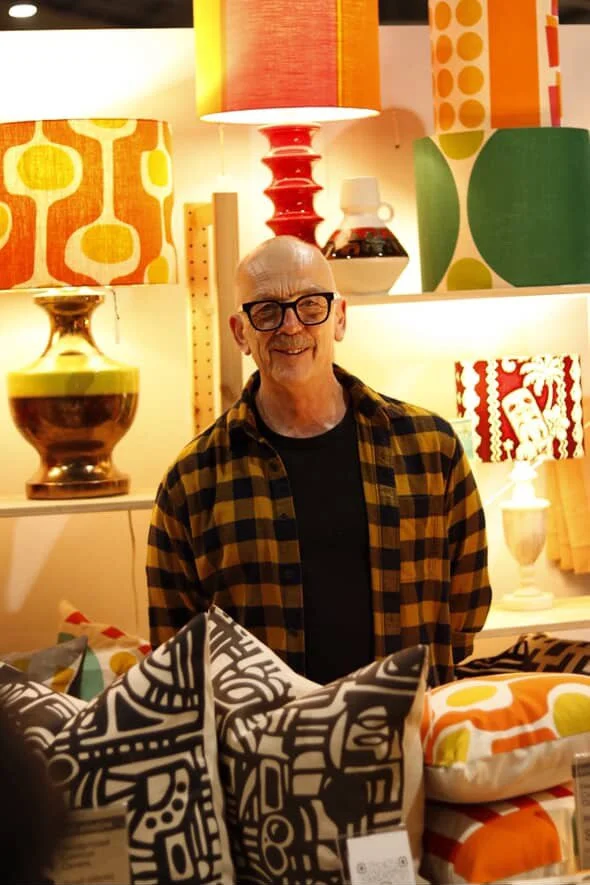
From the sunroom of a small flat in Coogee, he started again with three designs, cushions and tea towels, selling first at Bondi markets, then Paddington and eventually larger design markets. A small government grant helped and, while the money was a fraction of his old salary, it kept the mortgage going. “I just started printing and I haven’t stopped printing.” Fifteen years later, he still hasn’t.
There was another motivation too. Bob had spent years watching Australian clothing production move offshore and the skills that supported local manufacturing disappear with it. “We were losing valuable skills,” he says. He knows mass clothing manufacture isn’t suddenly coming back to Australia, but believes people should still have the option of buying something made here, and that there should still be people who know how to make it.
Perhaps that’s why the simple act of making something himself still gives him so much pleasure. “I enjoy lifting up the screen for the first time and seeing what I’ve done. I enjoy other people enjoying it. There’s nothing I don’t like about it.”
Bob has been at The Mill for three and a half years and represents The Mill’s artists on its Board. He describes The Mill as “an incubator for the arts” and loves the sheer variety of people, personalities and creative practices under one roof. “I just love this place. I really do.”
At 65, Bob admits he’s tired. He hasn’t had a proper holiday in around fifteen years and is finally planning one, although naturally there will be a large sketchbook involved. He senses his work is beginning to change too. Textile sculpture has been sitting somewhere at the edge of his thinking, although he doesn’t yet know exactly where it will lead. “I’m getting old and I’m not finished yet.”
After spending an afternoon with Bob, I don’t doubt that for a second.
Words: Denise Lange
Images: Carmen Alcedo, Bob Window