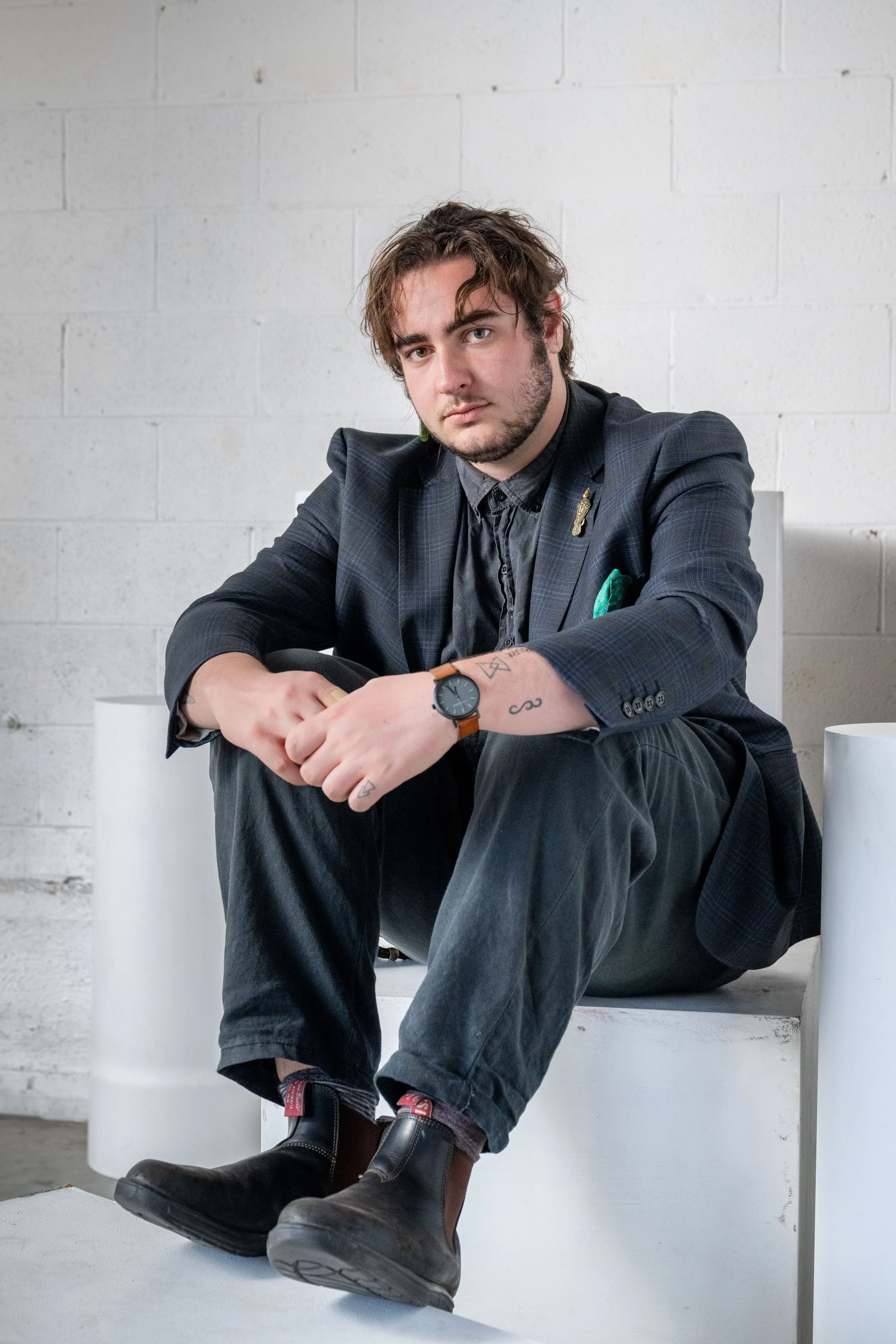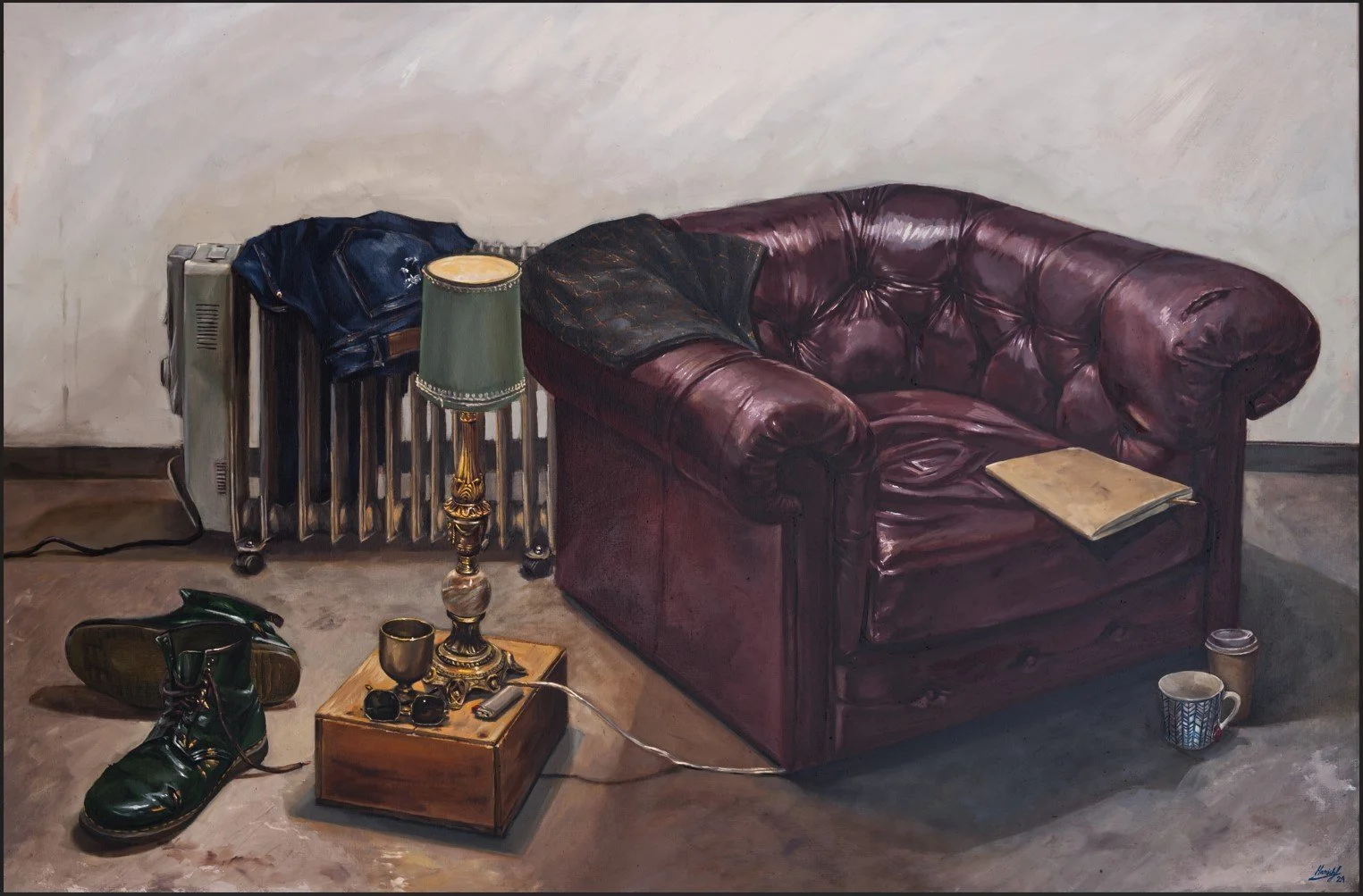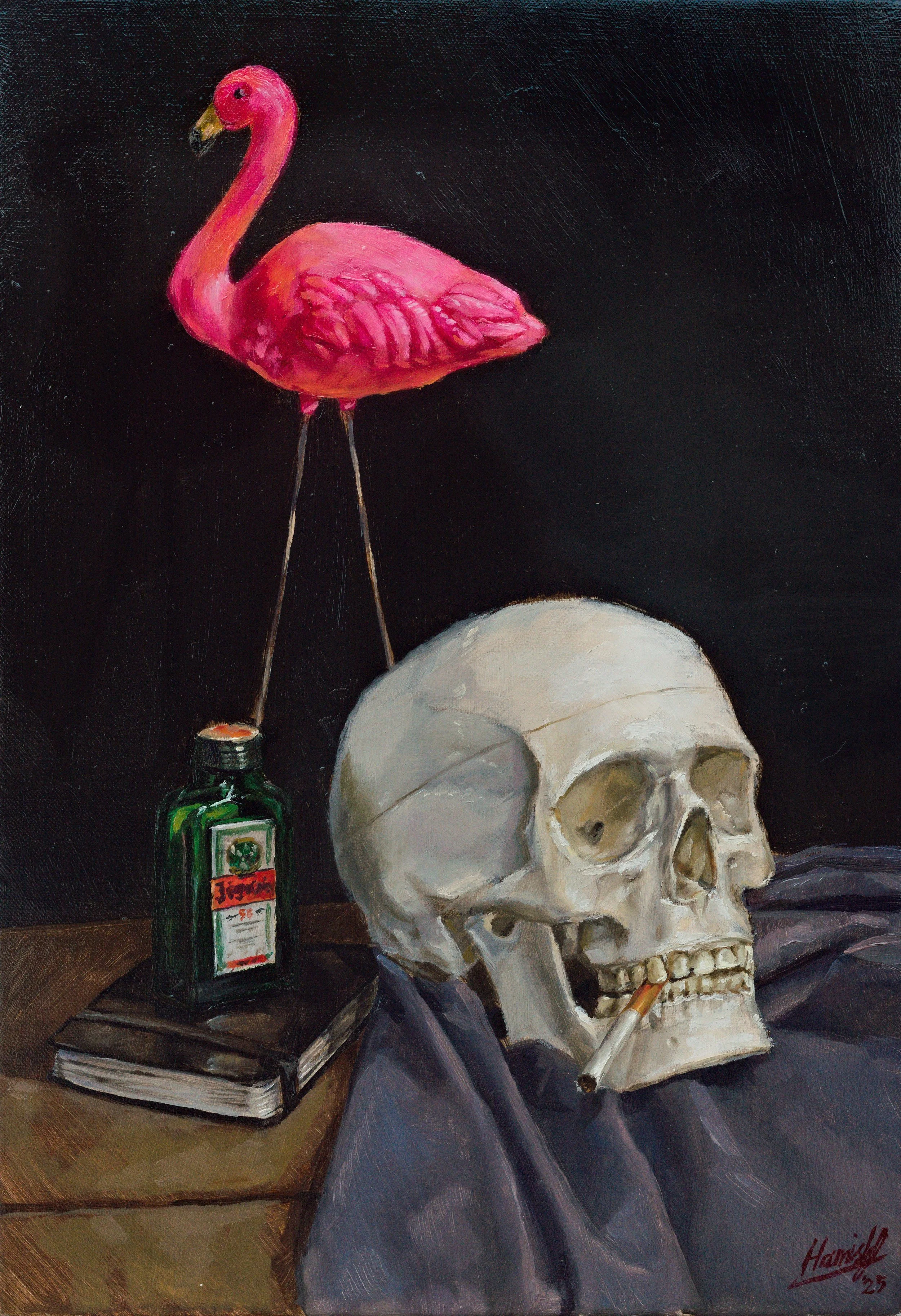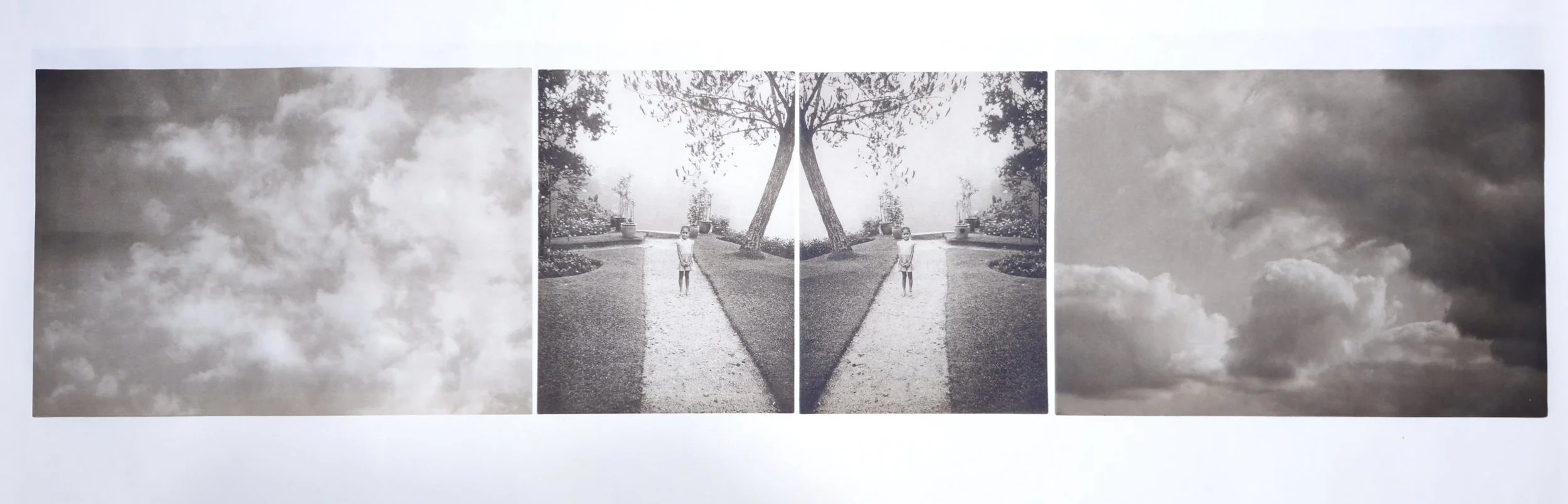
You can find Tony’s exhibition in The Mill’s Gallery I, located at 154 Angas St, Kaurna Yarta (Adelaide).
Gallery I is open Monday-Friday, 10am-4pm.
Accessibility
The Mill’s entrance has a small step into the building. We have a ramp available, please ring the doorbell and our friendly team will assist you.
During gallery hours, our entrance will be unlocked. If the door is closed, please ring the doorbell to alert our team.
The Mill has concrete flooring throughout with no internal steps and a disability toilet on site.
Read more in-depth information on our accessibility web page.The Mill has concrete flooring throughout with no internal steps and a disability toilet on site.
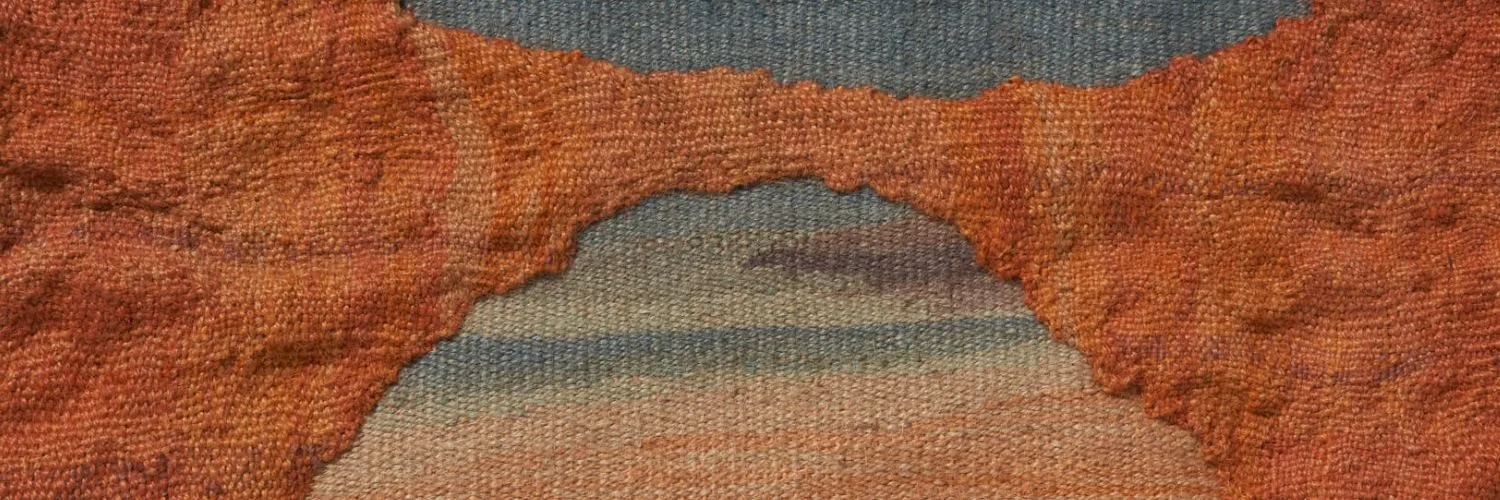
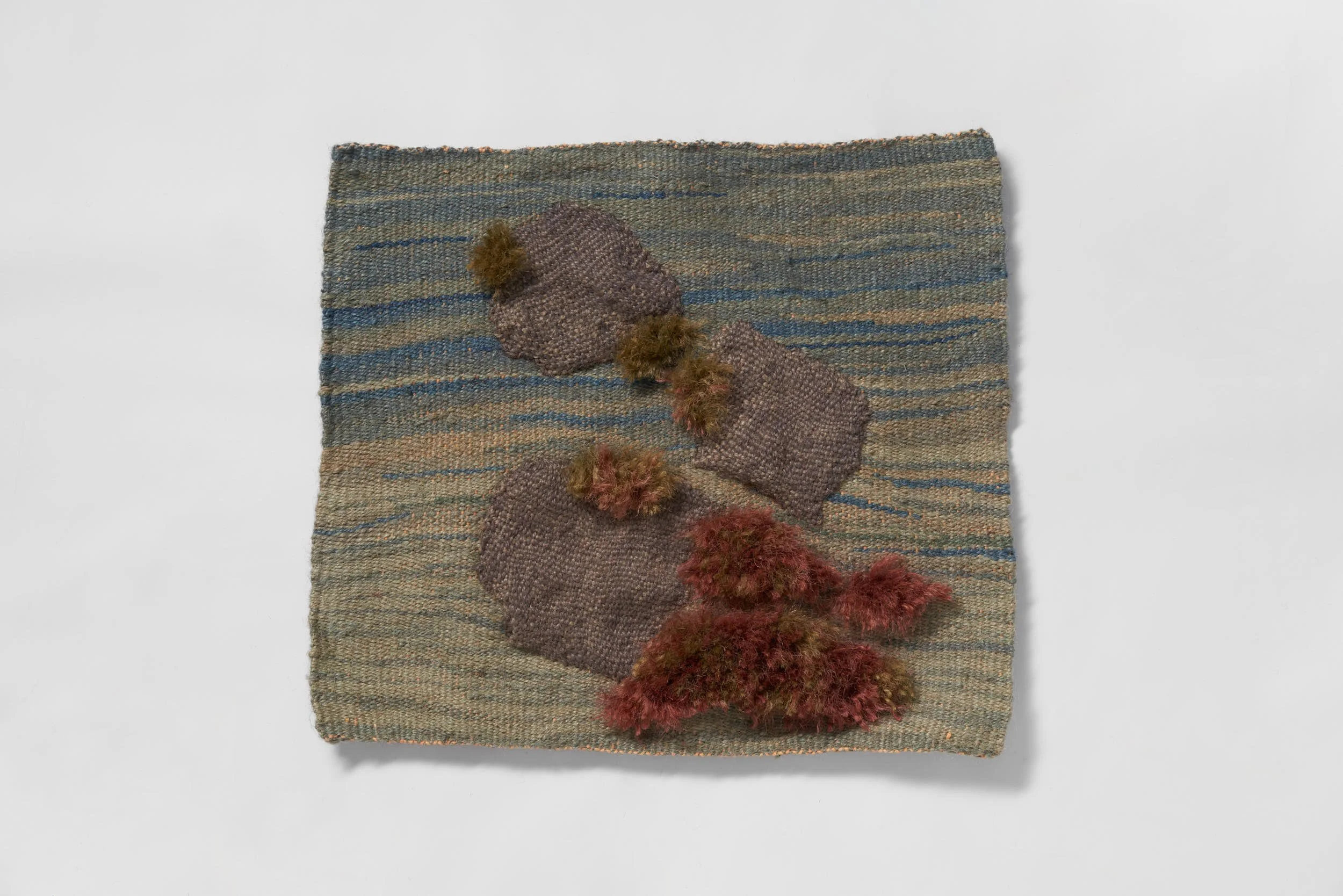
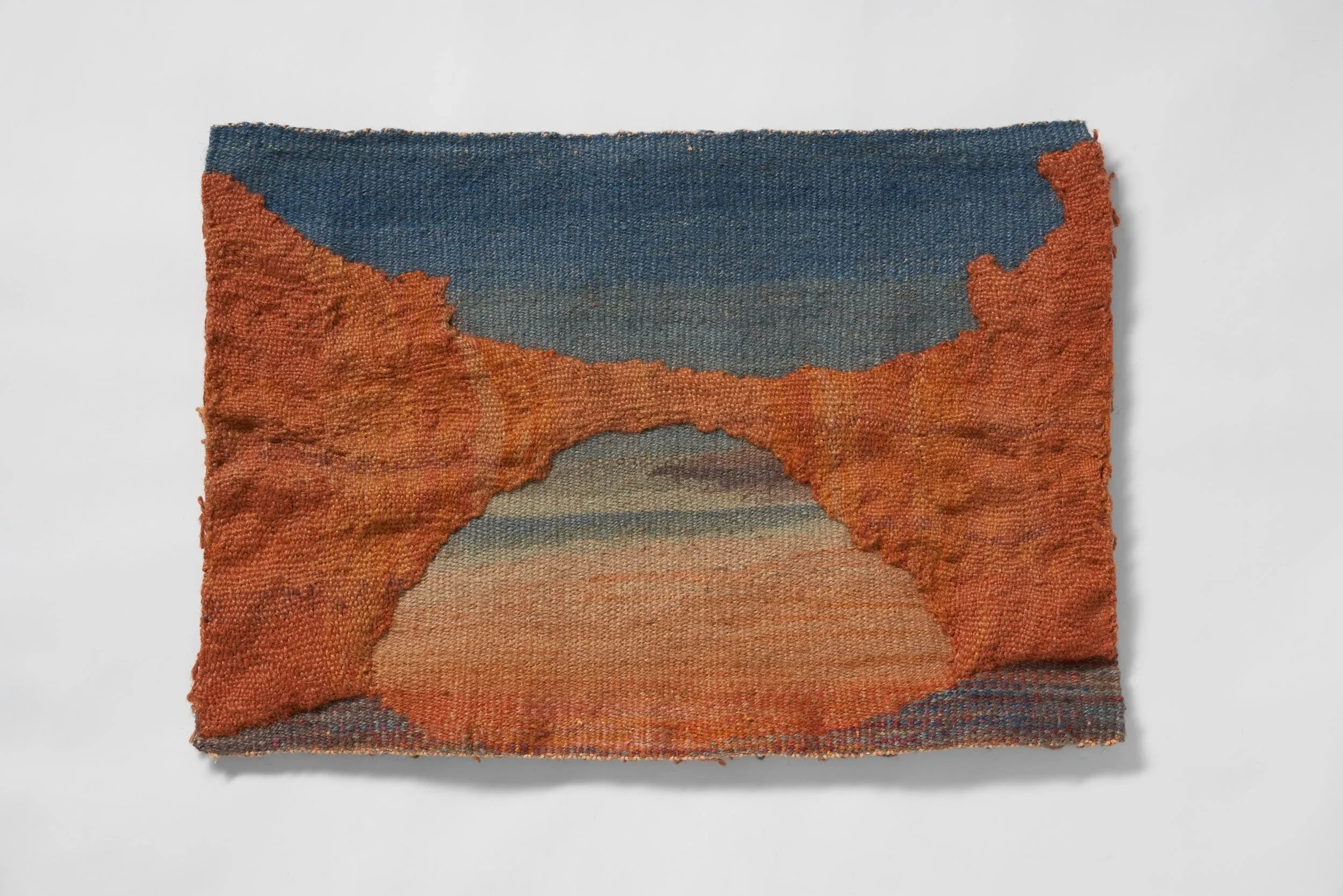
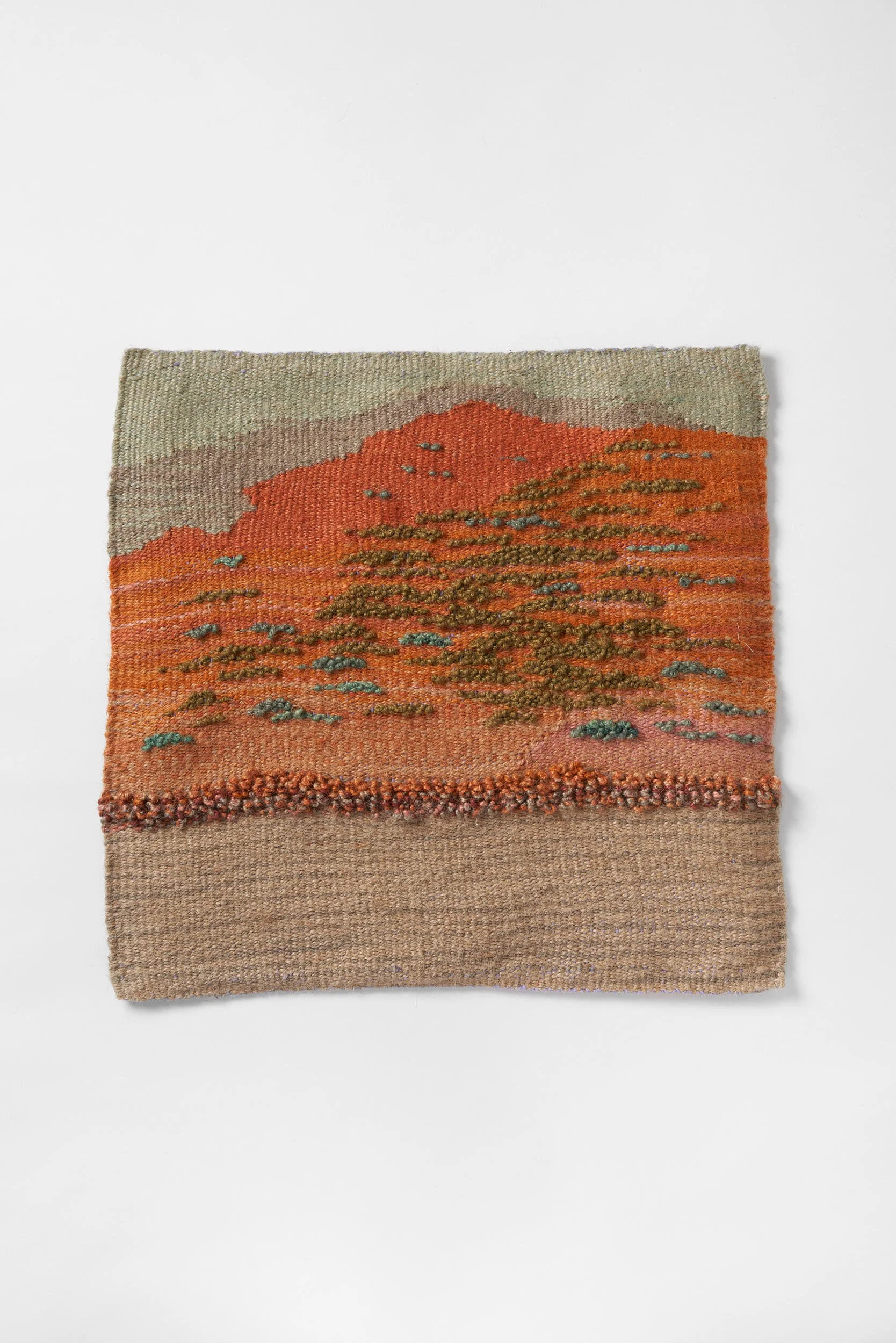
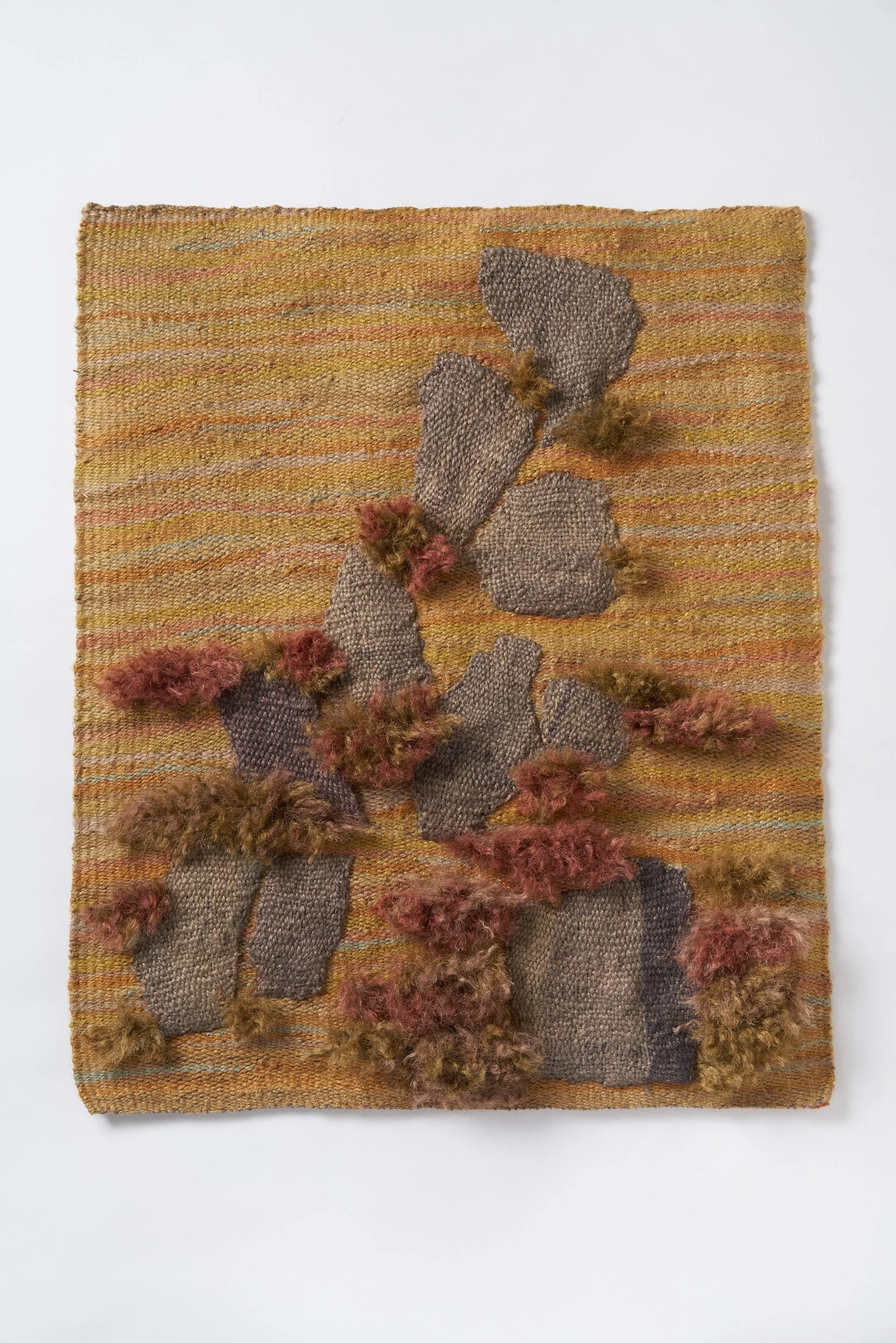
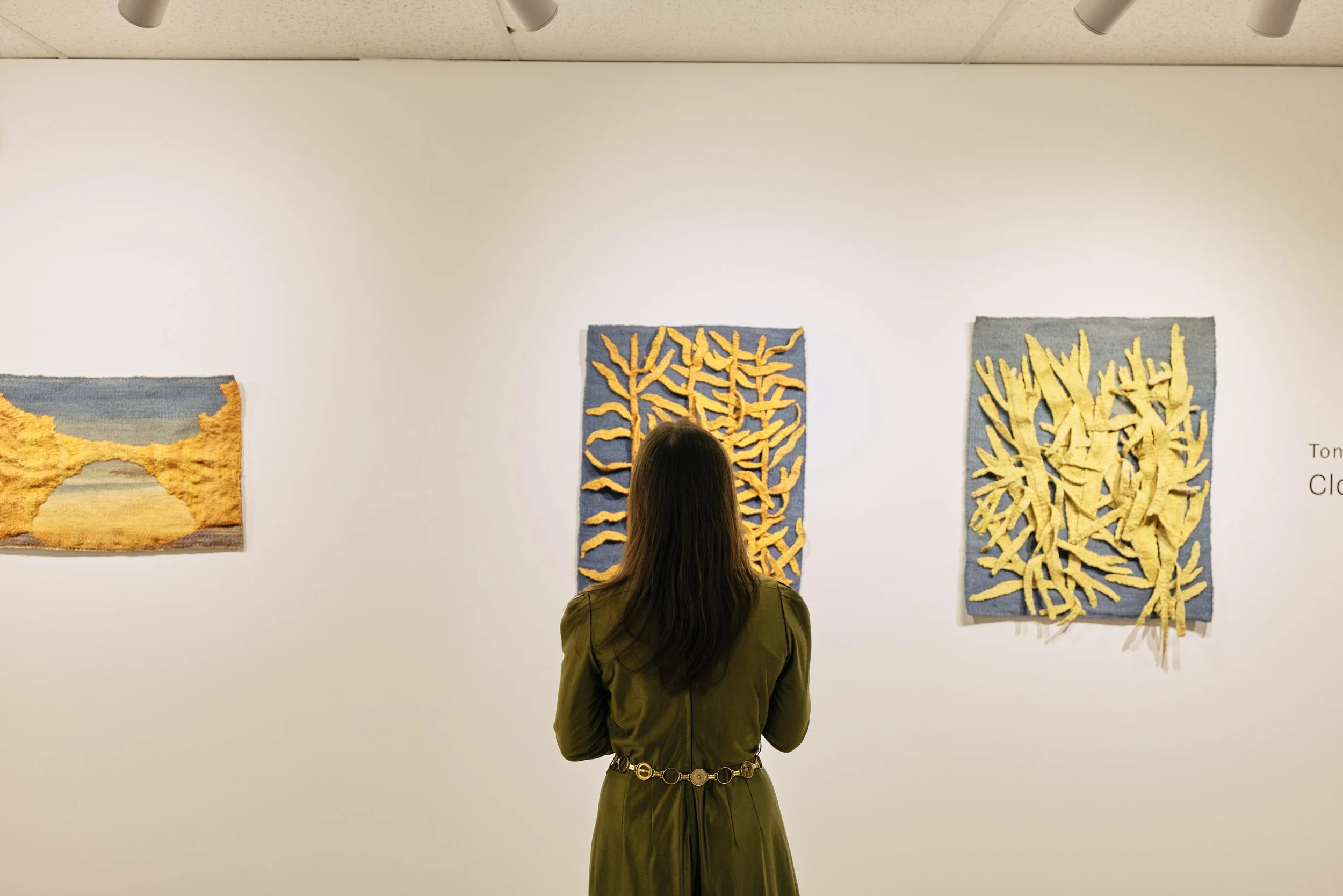
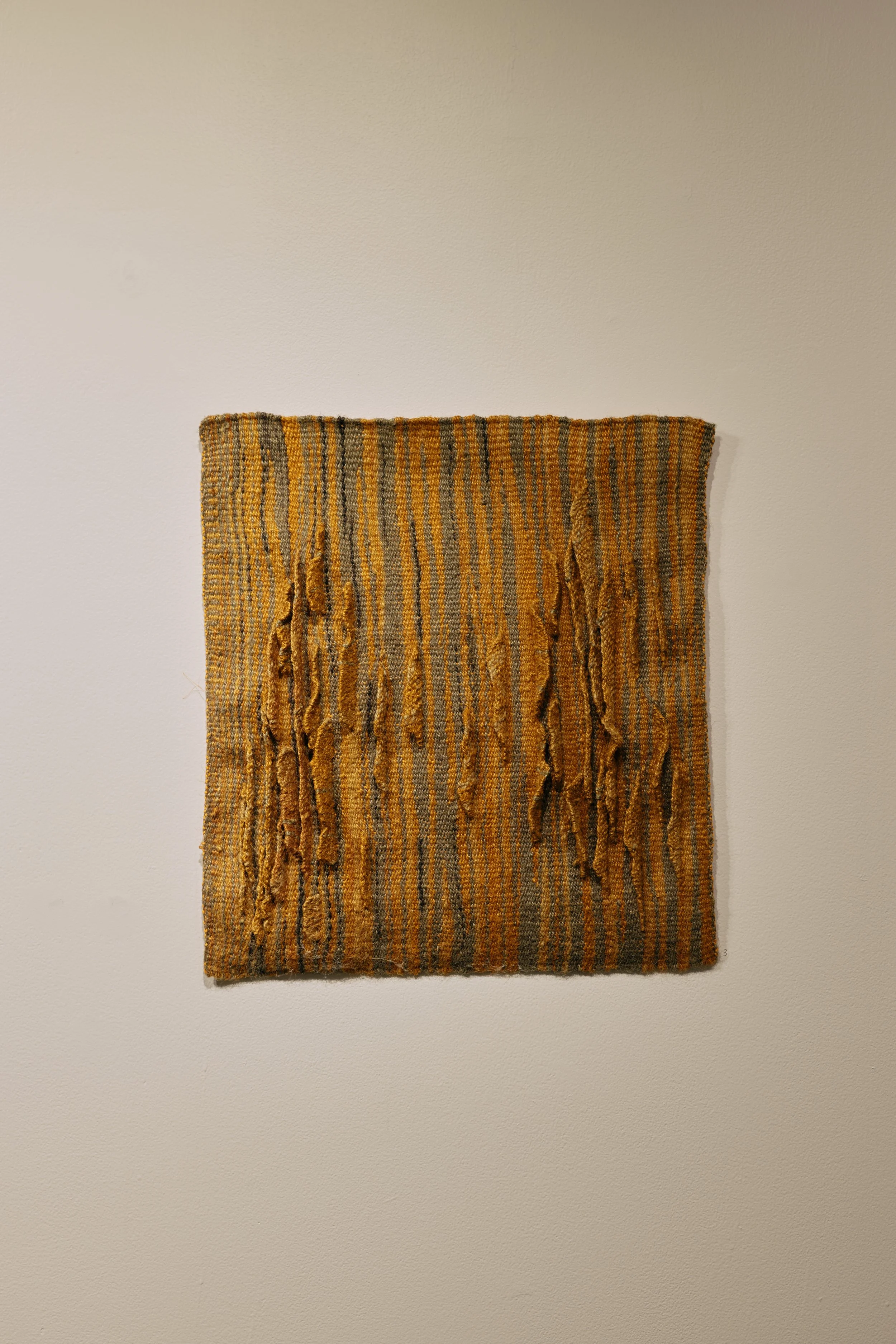
We are thrilled to present Closer Horizons II, a new exhibition of woven textiles by Tony Busch. In this exhibition Tony brings audiences into a sense of place, exploring local landscapes; Warripari Sturt Gorge, Aldinga and Sellicks beach. Through the act of walking, Tony has gathered inspiration from the uniquely South Australian landscape- texture, colour, shape are translated through Tony’s chosen material.
Slow and generous appreciation are also part of Tony’s process- his use of hand dyed cotton warp, hand dyed jute and yarn on his hand built frame looms attenuate the pace of creation. This allows for the both the artist and audiences attention to be drawn slowly across the surface of works- we take notice of subtle shifts in tone and texture, and an understanding of the gesture of the artists hand that have skilfully manipulated the raw materials into abstracted forms. Like the act of walking, the slow process of building these woven landscapes creates a deep appreciation of beauty, and reverence for the life-force of the landscape.
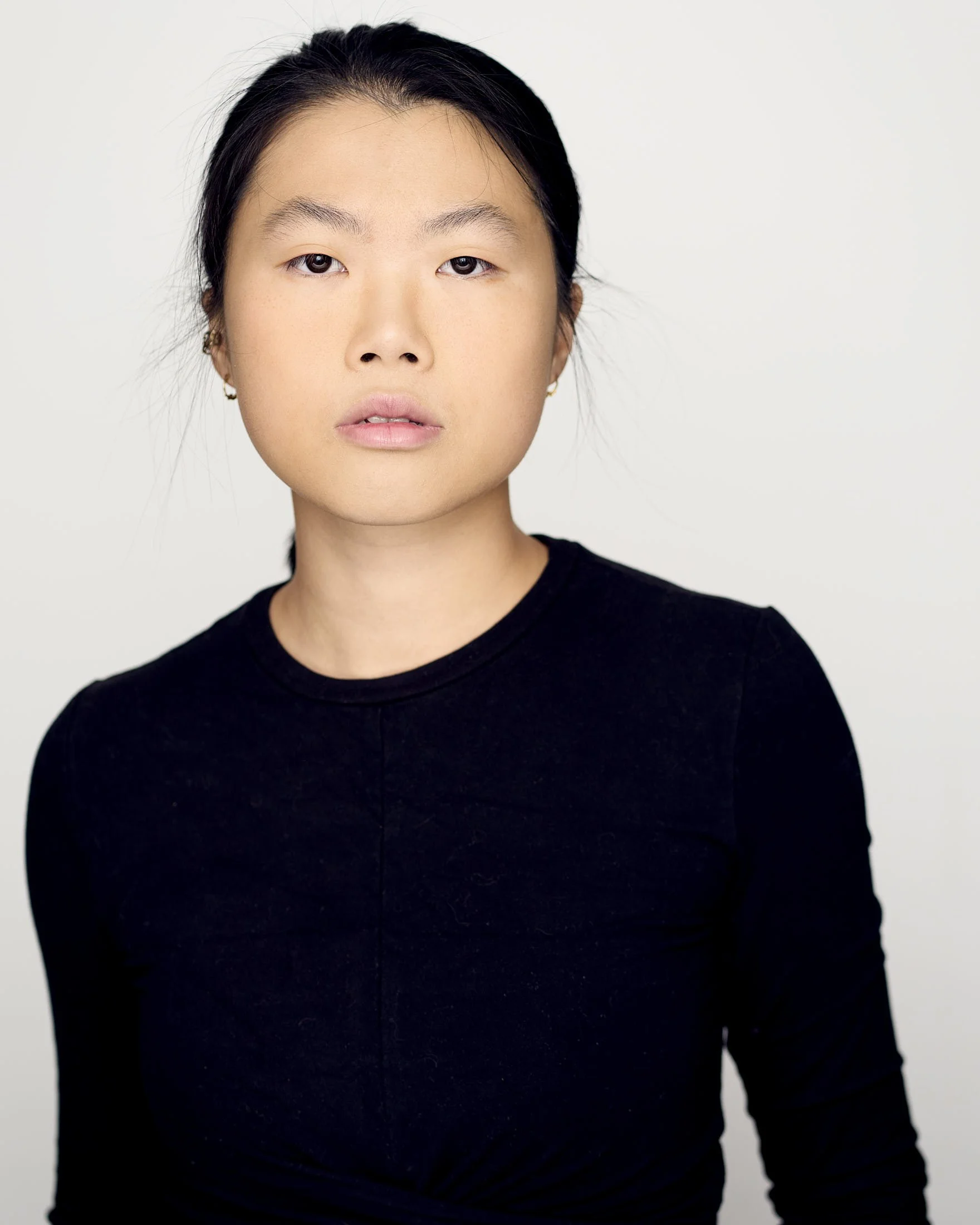
Tony Busch graduated in 2023 with a Bachelor of Visual Art (Hons FC) from Adelaide Central School of Art. He has been weaving for three years and is entirely self-taught. Influenced by Magdalena Abakanowicz, his work is an abstraction of natural forms, finding his cues in nature and translating the textures and surfaces he encounters into three-dimensional woven forms. His first solo exhibition at Mrs Harris’ Shop was a virtual sell-out and he has enjoyed subsequent solo exhibitions at praxisARTSPACE and Sauerbier House, Port Noarlunga, where he was the recipient of a 12-week residency in 2025. Over the past 2 years, Tony has also been involved in 6 group exhibitions including Adelaide Design Week, Fabrik in Lobethal, and 6 Manton Gallery. In 2024 he was awarded the Emerging Artist Prize at the Fleurieu Biennale as well as the Highly Commended Prize in the Irene Davies International Award at the Australian Tapestry Workshop.
Walking and weaving are entwined for me; one feeds the other. Walking ties me to place and this ‘sense of place’ feeds my creative energies which find their outlet in the process of weaving. Thus my work is an exploration of the elusive expression of place, specifically the Sturt Gorge, Warripari in Kaurna language, south of Adelaide, and the coast around Aldinga and Sellick’s Beach. Walking a landscape deepens my understanding of its beauty, its energy and its importance as I learn about its changing seasonal face, its bones, its structure and its content. My work is an abstraction of natural forms. I find my cues in nature and then try to express the essence of the textures and surfaces I encounter. I choose to work with jute fibre because I believe its textural qualities are closest to those found in the Australian landscape. I hand-dye it to achieve subtle variations in colour and use frame looms I built myself. I also continue to experiment with dyeing my cotton warp to mimic the effects of underpainting, deliberately allowing a little of the warp thread to show through the weft in places. My practice continues a dialogue with materiality, giving agency to the materials I works with and exploring the potential opportunities they provide. Each work is woven in a continuous piece, not sewn together, and employs techniques I developed myself to add a third dimension to the traditional flat woven surface.
You can find You Ask Me to Talk About the Interior’s exhibition in The Mill’s Gallery II, located at 154 Angas St, Kaurna Yarta (Adelaide).
The Mill’s galleries is open Monday-Friday, 10am-4pm.
Accessibility
The Mill’s entrance has a small step into the building. We have a ramp available, please ring the doorbell and our friendly team will assist you.
During gallery hours, our entrance will be unlocked. If the door is closed, please ring the doorbell to alert our team.
The Mill has concrete flooring throughout with no internal steps and a disability toilet on site.
Read more in-depth information on our accessibility web page.The Mill has concrete flooring throughout with no internal steps and a disability toilet on site.
We are thrilled to present You Ask Me to Talk About the Interior, a new exhibition featuring work by Kathrine Hoffman and Anna Goodhind. This exhibition explores colour, repetition and form through ceramics and collage, looking at how artists build meaning through layering, repetition and pattern. Both Anna and Kathy are current studio artists at The Mill.
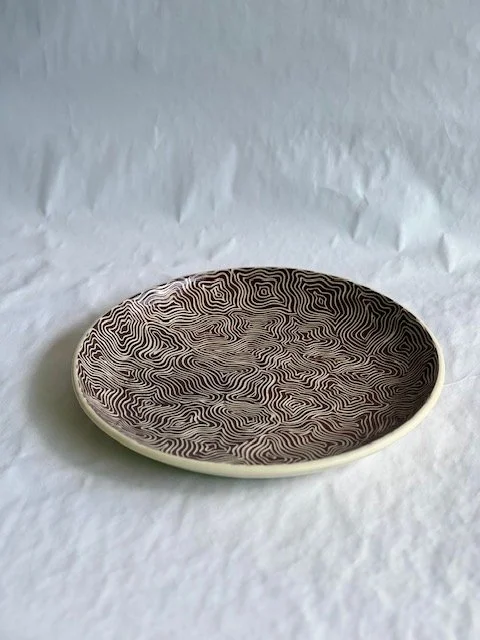
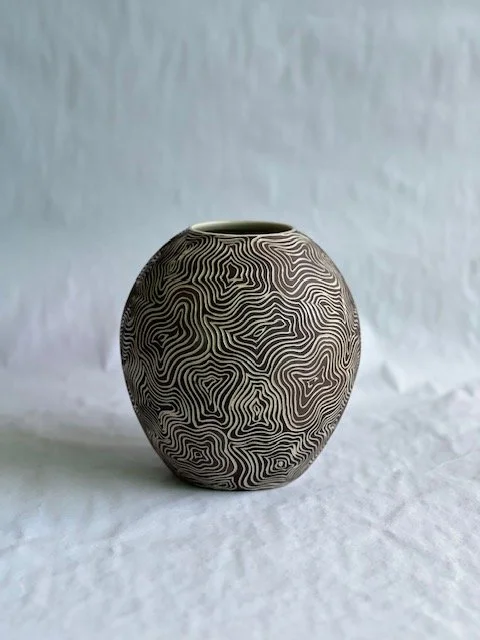
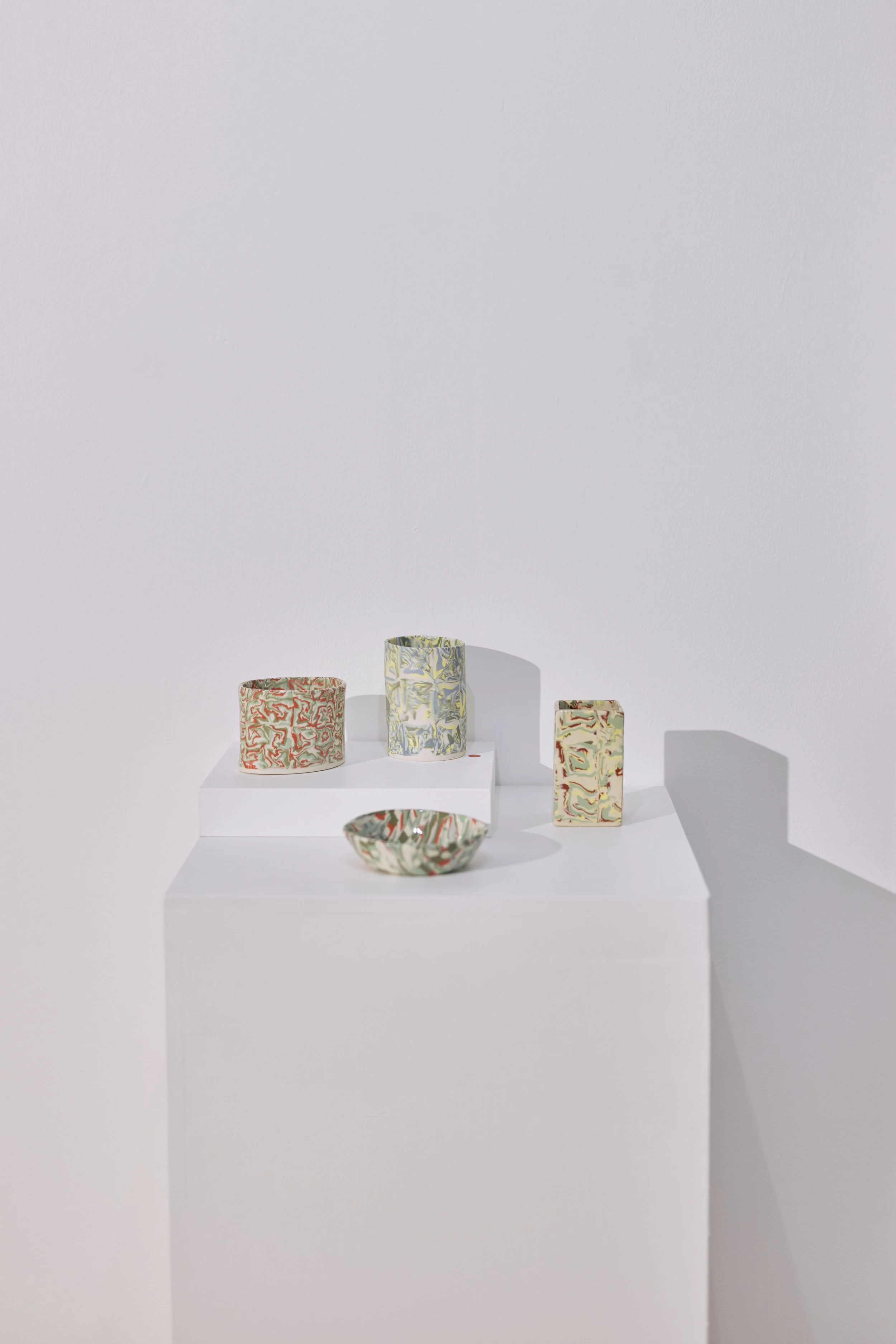
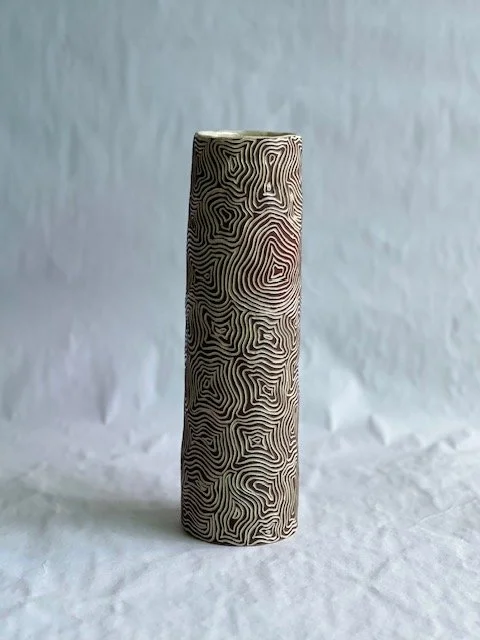
Kathrine's intuitive abstract ceramics are built using the Japanese nerikomi technique, working with coloured clay to build patterns that are embedded into the body of her vessels. Using the slow, repetitive technique Katherine creates unique abstract designs, experimenting with colour theory to draw the eye across the surface of the vessel. She says 'For me working with clay is very tactile. I find the connection between the hand, the eye and the brain and the repetition very calming.'
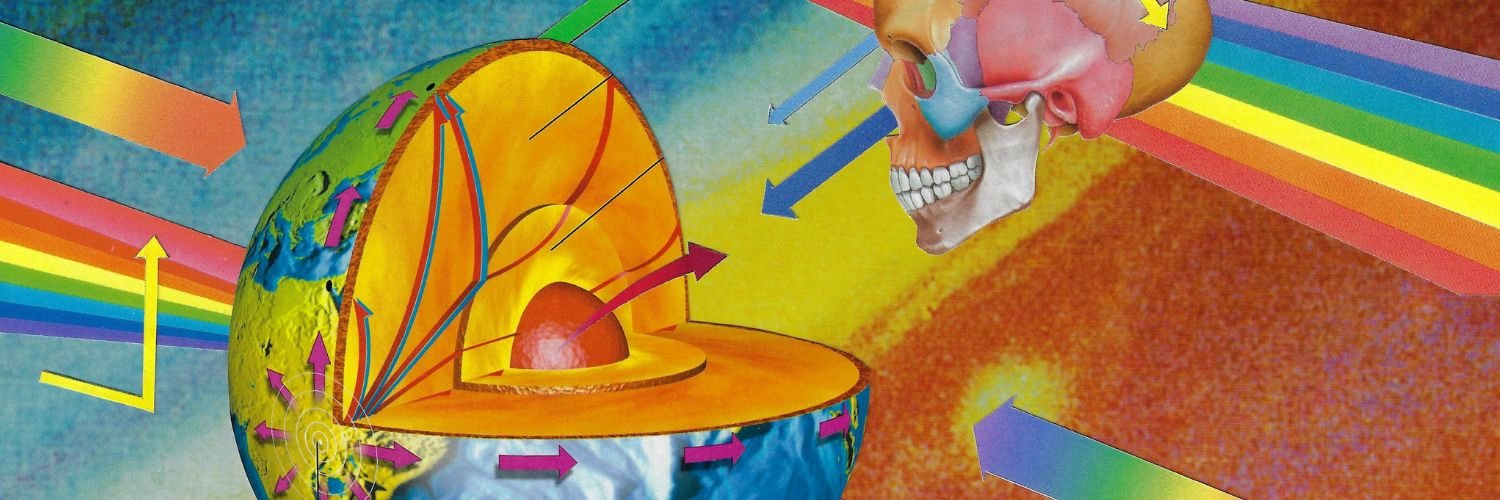
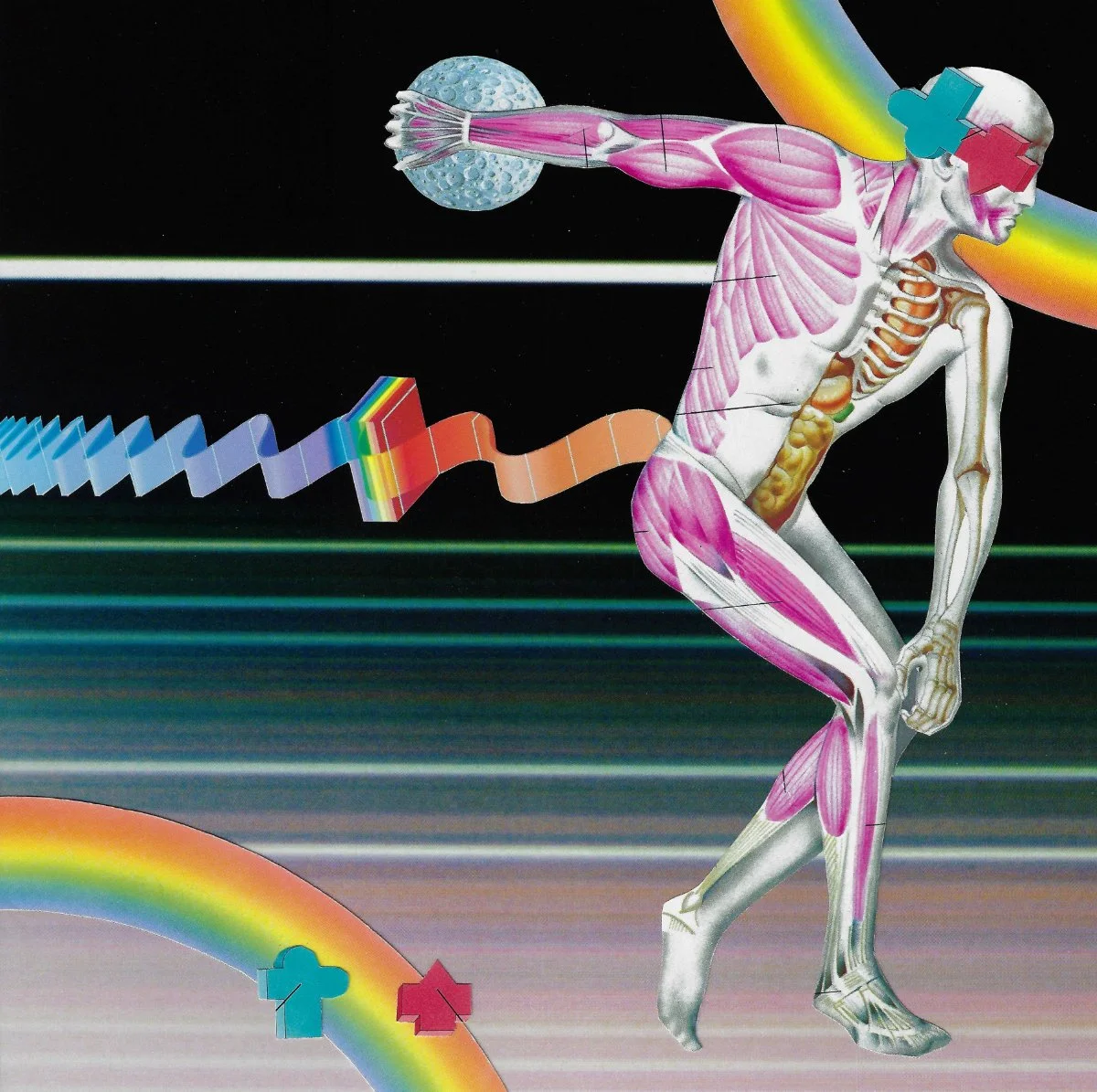
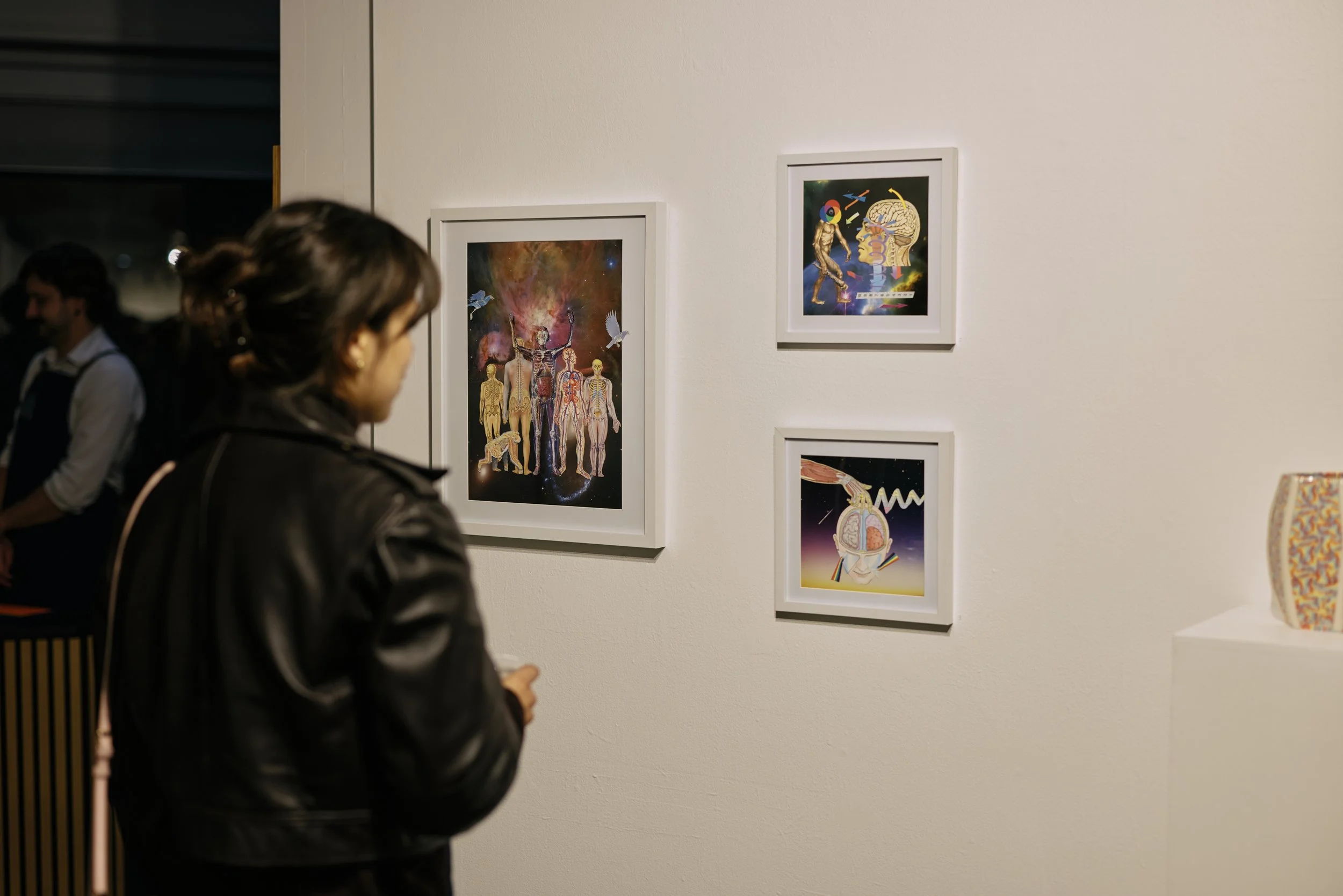
Anna brings a series of collage works to the exhibition, using found images to build narrative through colour and form. Each collage becomes a window into a world, opening a conversation to themes of life, and death, geology, the passing of time and the universe. We see delightfully unexpected characters on backgrounds of repeated patterns, nature and science brought together with infinite horizons.
This exhibition takes its title from Carolina Ebeid's poem 'You Ask Me to Talk About the Interior', a poem about humanness- made of wilderness & sky, a new anatomy, an overbright comet burning through the infinite. Like the poem, Kathrine's works fold and repeat, creating an infinite and intricate interiority. Nerikomi traditionally reflects the harmony of nature and as an expression of the artist's soul. Likewise, Anna's work speaks to the human condition, the interiority of each of us that is complex and in flux, and part of a web of connection through systems of biology and physics, of community and care.
Artist Statement
Traditionally an abstract painter, I began working with clay after a brain injury. I found it hard to go back to painting, I knew I should be able to paint but couldn’t. Working with clay was good therapy for me; the tactile nature of clay enriched my psychosocial care as well as my physical and cognitive recovery. My motor function and memory skills also improved. Around this time I met Anna Couper, a local ceramic artist, and she has been my friend and mentor through this journey.
Working with clay brings a sense of calm in my body and mind. It is an escape that taps into my body’s relaxation response and brings me a sense of peace far away from the chaos that lives in my head.
I began working with Nerikomi about five years ago. I have given up a few times because it is a long process and at first, has few rewards. Nerikomi is a traditional Japanese ceramic technique involving stacking, folding and slicing coloured clay to create intricate patterns that run through the clay body. I think that what kept drawing me back to Nerikomi was the connection i found between abstract painting and Nerikomi. I don’t start out to make a particular pattern, I just fold, manipulate and slice the clay and see what pattern is created making decisions as I work just as I do when painting.
Biography
Kathrine Hoffman graduated with a Bachelor of Visual Arts from Adelaide Central School of Art in 2019, where she was mentored in ceramic by Anna Couper. In 2025 she exhibited in the Red House Group Exhibition at Gallery M, as part of a SALA Exhibition at Fraser Hay Gallery and had works on display at Adelaide Central School of Art. She was a finalist in the 2023 Watershed Art Prize and the Little Things exhibition (NSW). Her work has also featured in the Campbelltown Arts Show, Murray Bridge Art Show and Victor Harbour Art Show. She currently has a studio at The Mill.
Anna Goodhind is a multidisciplinary artist whose practice centres around themes of family, mortality and the natural world. Working across various mediums including painting, textile, collage, sculpture and installation, Goodhind often explores existential conflict within the human condition through the subjective experience of the individual.
Her most recent solo exhibition Presence – Absence at Sauerbier House in November 2024, opened up a means for grieving through a reshaping of time, place and inheritance following the death of her mother in 2018 and her father in 2023. Goodhind also works as an art installer and exhibition curator. Her continuing practice focuses on a process of exploration and experimentation.
You ask me to talk about the interior
it was all roadside flowers & grasses growing over the cities
was made of wilderness & sky with God washed out of it
was the foreign prayer-word it was a list of missing persons
was the solid bronze charging bull on the famous street
was like the Roman method for making bees
was its taken-down carcass & its bed of apple-branches & thyme
was a new anatomy a beaten hide a skeleton sweetening to glowing fluids
& the bee born out & the grist of them born glistening as coins
it was anthem was the listening
the way a searchlight listens over a lake it was the prayer-word out of your mouth
your thousand-noun request it goes up up to the florescent weather
was hurdle & burn burning through the infinite your overbright comet
was made of stones made of berries & plastic & boxtops & eggshells it was like the word having reached the ear
& the words pollinated the dark there was darkness there like the afterhours inside a library
Discover your next favourite artist or maker at The Mill. See behind the scenes of our 70+ studio on a free, fortnightly studio tour.
We open our doors for tours on alternating Tuesdays and Fridays; inviting audiences to explore our studios and engage with our community.
Whether you're an art lover, a curious wanderer, or just keen to see creativity in motion, these tours promise inspiration and new connections at every turn.
Social clubs, community organisations and groups of 6+ can register for private tours by emailing info@themilladelaide.com.
Where: The Breakout at The Mill, 154 Angas St, Kaurna Yarta
Cost: $10 (+ booking fee)
Note: Please arrive 15 minutes early to grab a drink. This event will be 1 hour (including a Q&A).
This showing and Q&A will be held in The Breakout. Please come to The Mill at 154 Angas Street, the bar will be open to grab a drink before we take you through to The Breakout.
Please arrive 15 minutes early to get a drink.
This event will be 1 hour (including the Q&A).
Accessibility
The Mill’s entrance has a small step into the building. We have a ramp available, please ring the doorbell and our friendly team will assist you.
The entrance into The Breakout is wheelchair accessible, with no internal steps.
The Mill has concrete flooring throughout with no internal steps and a disability toilet on site.
If you have questions or would like to talk to one of The Mill team contact info@themilladelaide.com
Join us for a work-in-progress performance inspired by 50 years of NAIDOC celebrations through contemporary Indigenous dance.
Facilitated by WAYIN:THI Co-Leads Caleena Sansbury and Kaine Sultan-Babij, produced by The Mill, with dancers Keisha Barrow, Kathleen Rankine, Rikki Wilson and Tiarna Power.
This intimate performance offers an early glimpse into the creative process, followed by a conversation with the artists.
You can find Tony’s exhibition in The Mill’s Gallery I, located at 154 Angas St, Kaurna Yarta (Adelaide).
Gallery I is open Monday-Friday, 10am-4pm.
Accessibility
The Mill’s entrance has a small step into the building. We have a ramp available, please ring the doorbell and our friendly team will assist you.
During gallery hours, our entrance will be unlocked. If the door is closed, please ring the doorbell to alert our team.
The Mill has concrete flooring throughout with no internal steps and a disability toilet on site.
Read more in-depth information on our accessibility web page.The Mill has concrete flooring throughout with no internal steps and a disability toilet on site.
We invite you to join us for the closing event for Closer Horizons II and You Ask Me to Talk About the Interior.
Closer Horizons II is an exhibition of woven textiles by Tony Busch. In this exhibition Tony brings audiences into a sense of place, exploring local landscapes; Warripari Sturt Gorge, Aldinga and Sellicks beach. Through the act of walking, Tony has gathered inspiration from the uniquely South Australian landscape- texture, colour, shape are translated through Tony’s chosen material.
You Ask Me to Talk About the Interior is an exhibition featuring work by Kathrine Hoffman and Anna Goodhind. This exhibition explores colour, repetition and form through ceramics and collage, looking at how artists build meaning through layering, repetition and pattern. Both Anna and Kathy are current studio artists at The Mill.
You can find Held in The Mill’s Foyer Gallery, located at 154 Angas St, Kaurna Yarta (Adelaide).
The Mill’s galleries is open Monday-Friday, 10am-4pm.
Accessibility
The Mill’s entrance has a small step into the building. We have a ramp available, please ring the doorbell and our friendly team will assist you.
During gallery hours, our entrance will be unlocked. If the door is closed, please ring the doorbell to alert our team.
The Mill has concrete flooring throughout with no internal steps and a disability toilet on site.
Read more in-depth information on our accessibility web page.The Mill has concrete flooring throughout with no internal steps and a disability toilet on site.
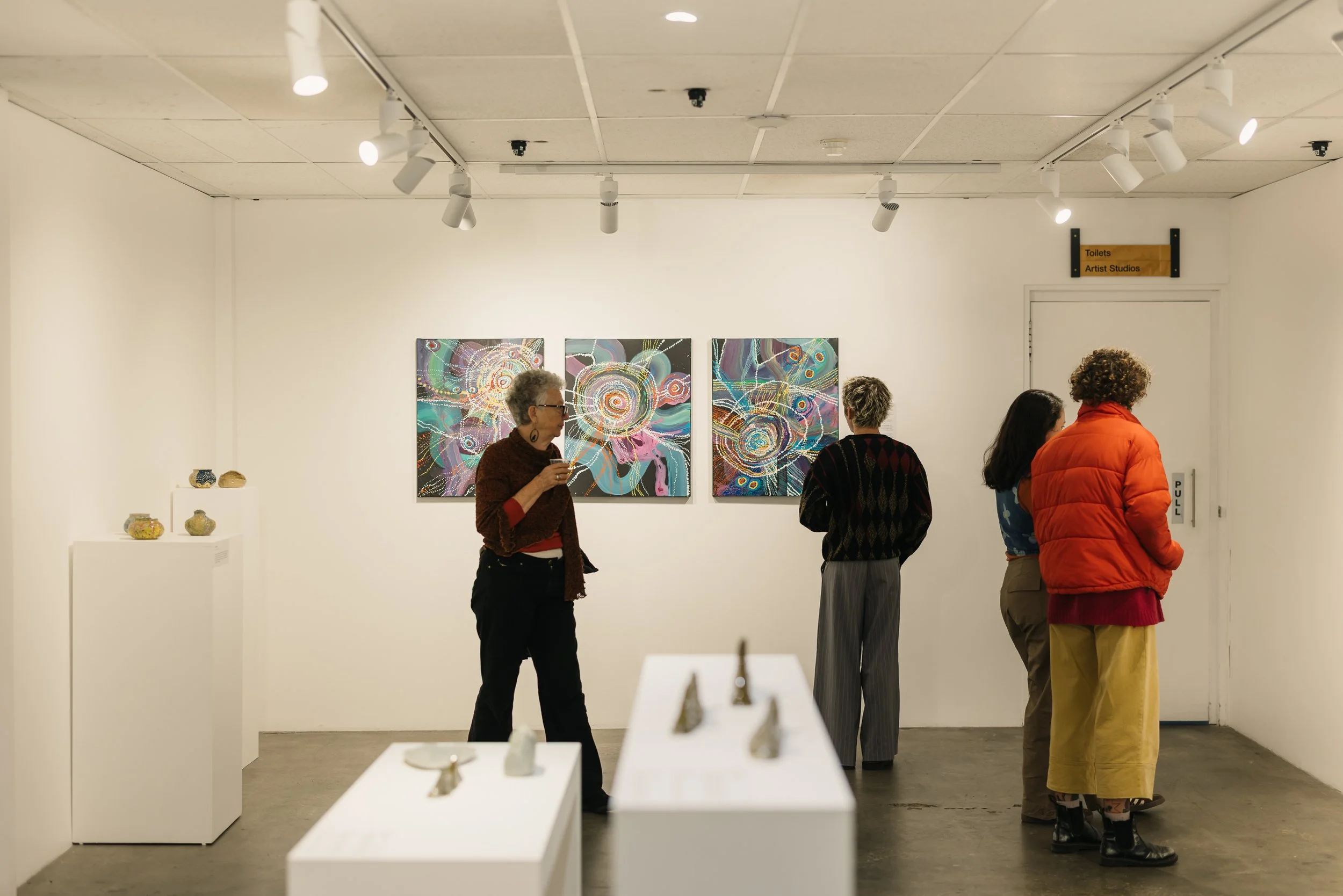
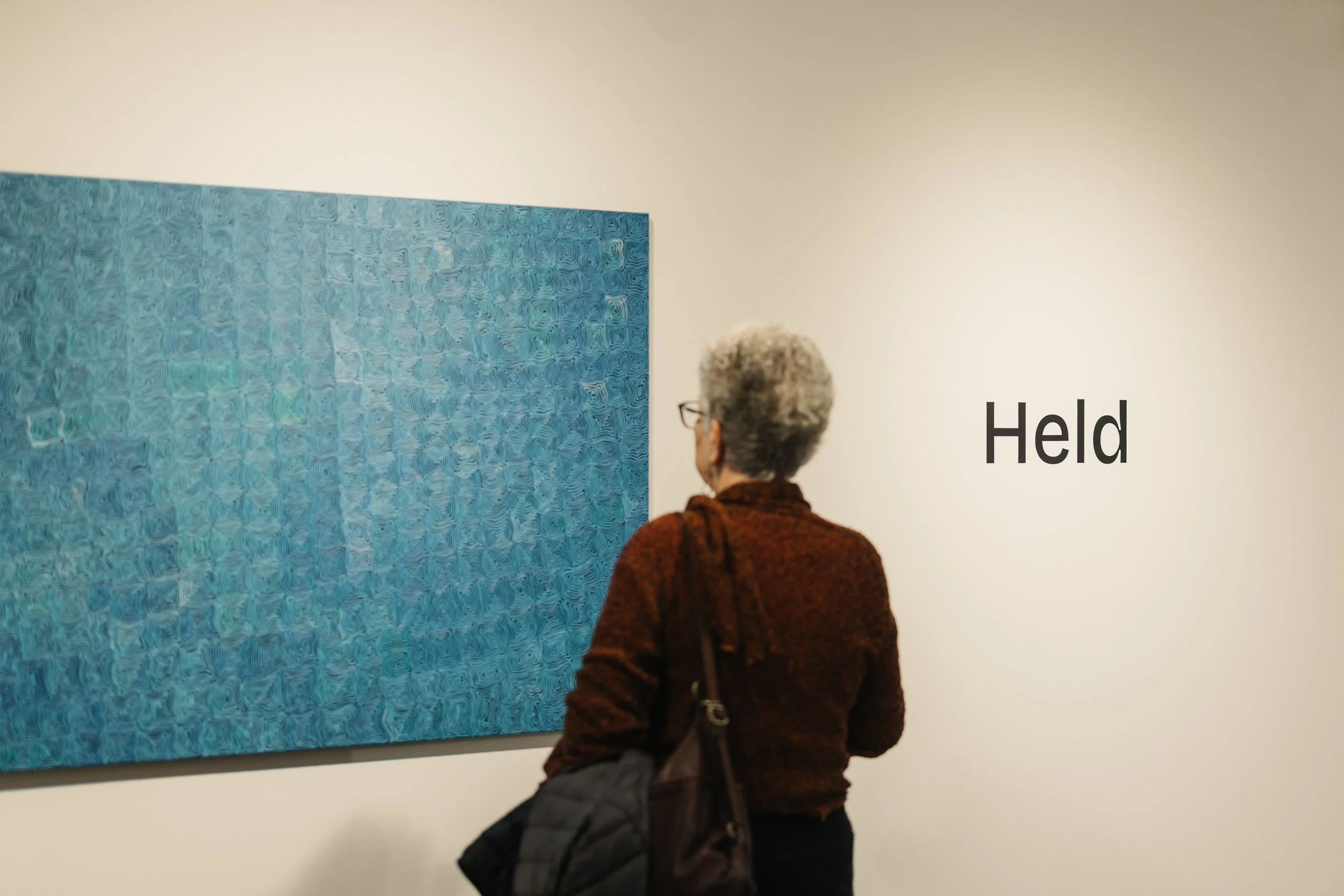
For SALA 2026 we are excited to present Held, a new group exhibition featuring new work by First Nations artists Joeulla Coulthard (Adnyamathna, Kuyani), Juanella Donovan (Adnyamathanha, Luritja and Arrernte), and Lisa Khan (Yankunytjatjara/ Antakirinja/ Pitjantjatjara). This exhibition explores the artists practices across painting, weaving, sculpture and ceramics. As mothers, each of these artist’s plays a vital role in caring for family and caring for Country. We know that mothers hold so much strength and tenderness, veracity and knowledge. These qualities are passed down through generations from mother to child, and for these women, their art practices reflect the ongoing practice of holding and sharing knowledge and stories.
This exhibition is presented with support from Ku Arts and the City of Adelaide’s Arts and Community Arts and Cultural grants.
Joeulla Coulthard is an Adnyamathna, Kuyani artist who grew up on Country in the northern Flinders Ranges. Her work includes painting and ceramics which speak about the landforms where she grew up, the seasons, and the cultural stories of Yarta. For Joeulla, artwork is a conversation piece, talking about the meaning and why it was made keeps her art and culture alive. Joeulla has exhibited in Blinman Art, Tarnanthi, and Wilpena Art.
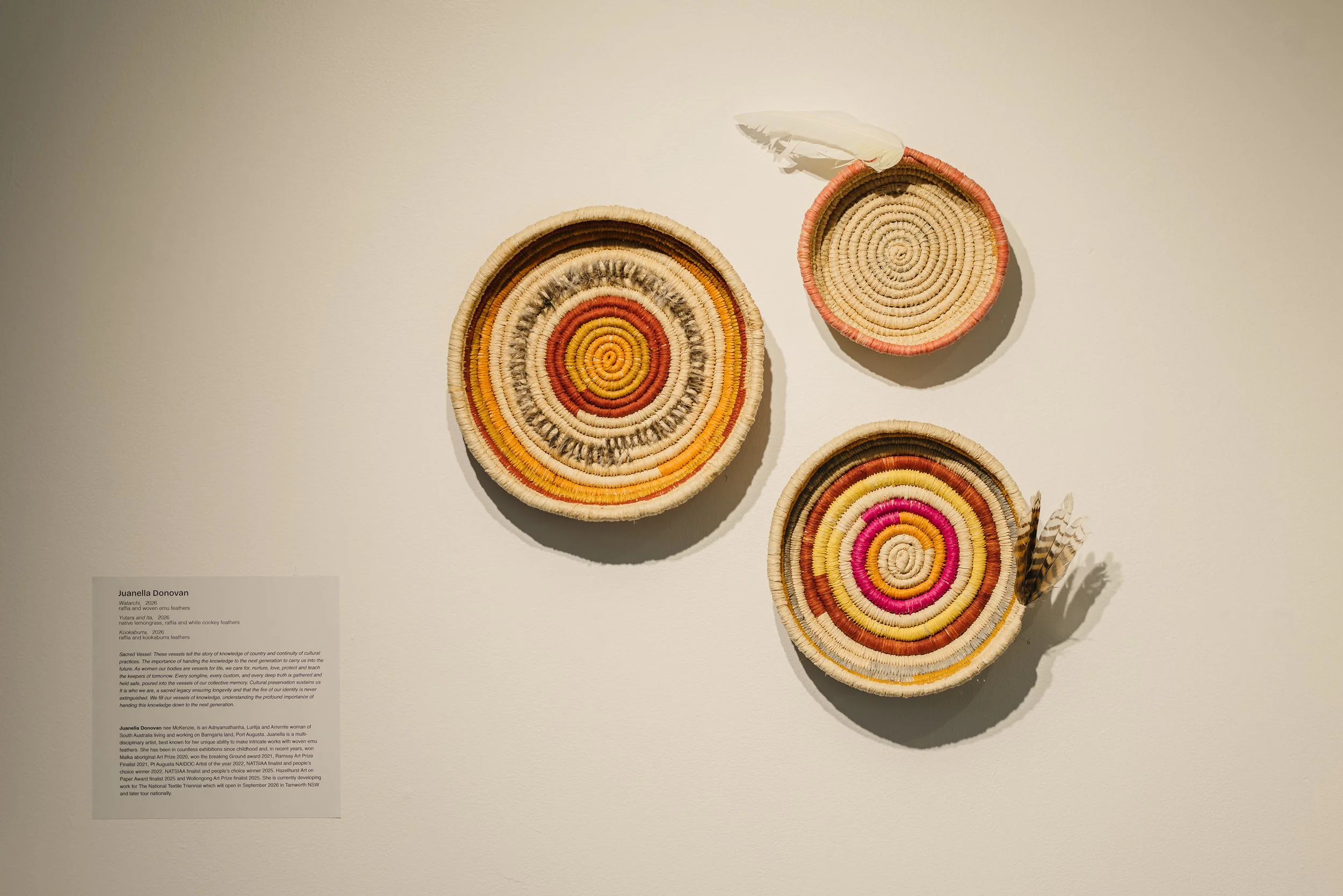
Juanella Donovan nee McKenzie, is an Adnyamathanha, Luritja and Arrernte woman of South Australia living and working on Barngarla land, Port Augusta. Juanella is a multi-disciplinary artist, best known for her unique ability to make intricate works with woven emu feathers. She has been in countless exhibitions since childhood and, in recent years, won Malka aboriginal Art Prize 2020, won the breaking Ground award 2021, Ramsay Art Prize Finalist 2021, Pt Augusta NAIDOC Artist of the year 2022, NATSIAA finalist and people’s choice winner 2022, NATSIAA finalist and people’s choice winner 2025. Hazelhurst Art on Paper Award finalist 2025 and Wollongong Art Prize finalist 2025. She is currently developing work for The National Textile Triennial which will open in September 2026 in Tamworth NSW and later tour nationally.
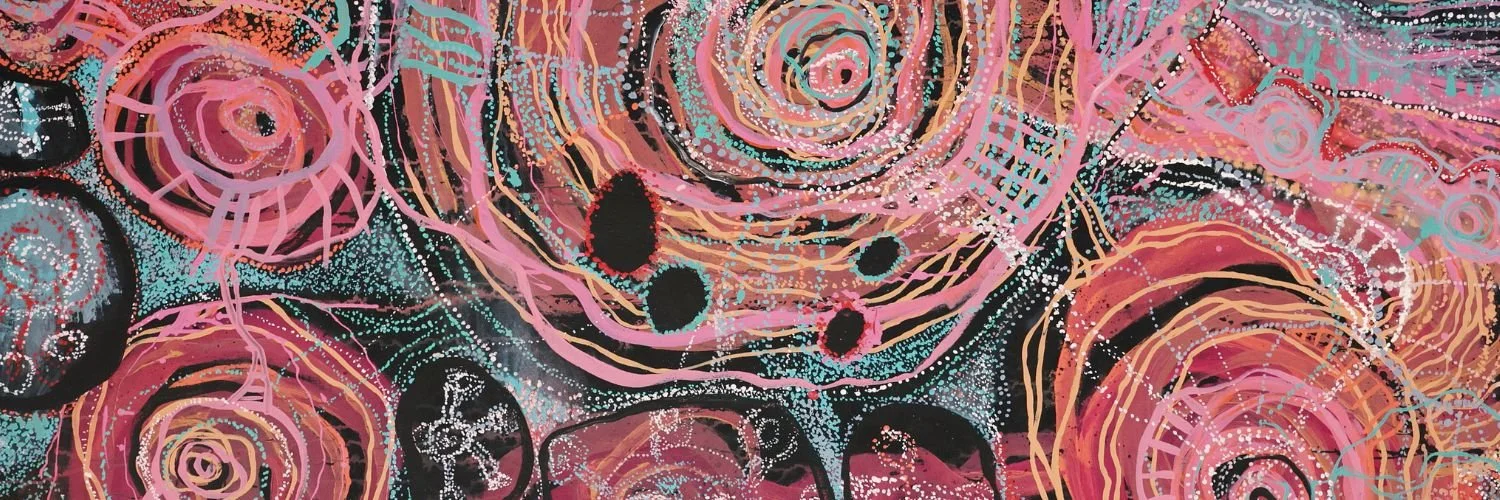
Lisa Khan is a Yankunytjatjara/ Antakirinja/ Pitjantjatjara artist from Coober Pedy. Lisa paints her Grandmother's ngura (my home, the land and rockholes) as well as her Grandfather’s country, he was born at Wallitina Station. She says ‘when I paint, I feel connected to my country and my grandparents who aren't here anymore, It is my job to look after the country and the stories from my grandmothers.’
This project has been assisted by the Australian Government through Creative Australia, its principal arts investment and advisory body
You can find Nicolas’ exhibition in The Mill’s Gallery II, located at 154 Angas St, Kaurna Yarta (Adelaide).
Gallery II is open Monday-Friday, 10am-4pm.
Accessibility
The Mill’s entrance has a small step into the building. We have a ramp available, please ring the doorbell and our friendly team will assist you.
During gallery hours, our entrance will be unlocked. If the door is closed, please ring the doorbell to alert our team.
The Mill has concrete flooring throughout with no internal steps and a disability toilet on site.
Read more in-depth information on our accessibility web page.The Mill has concrete flooring throughout with no internal steps and a disability toilet on site.
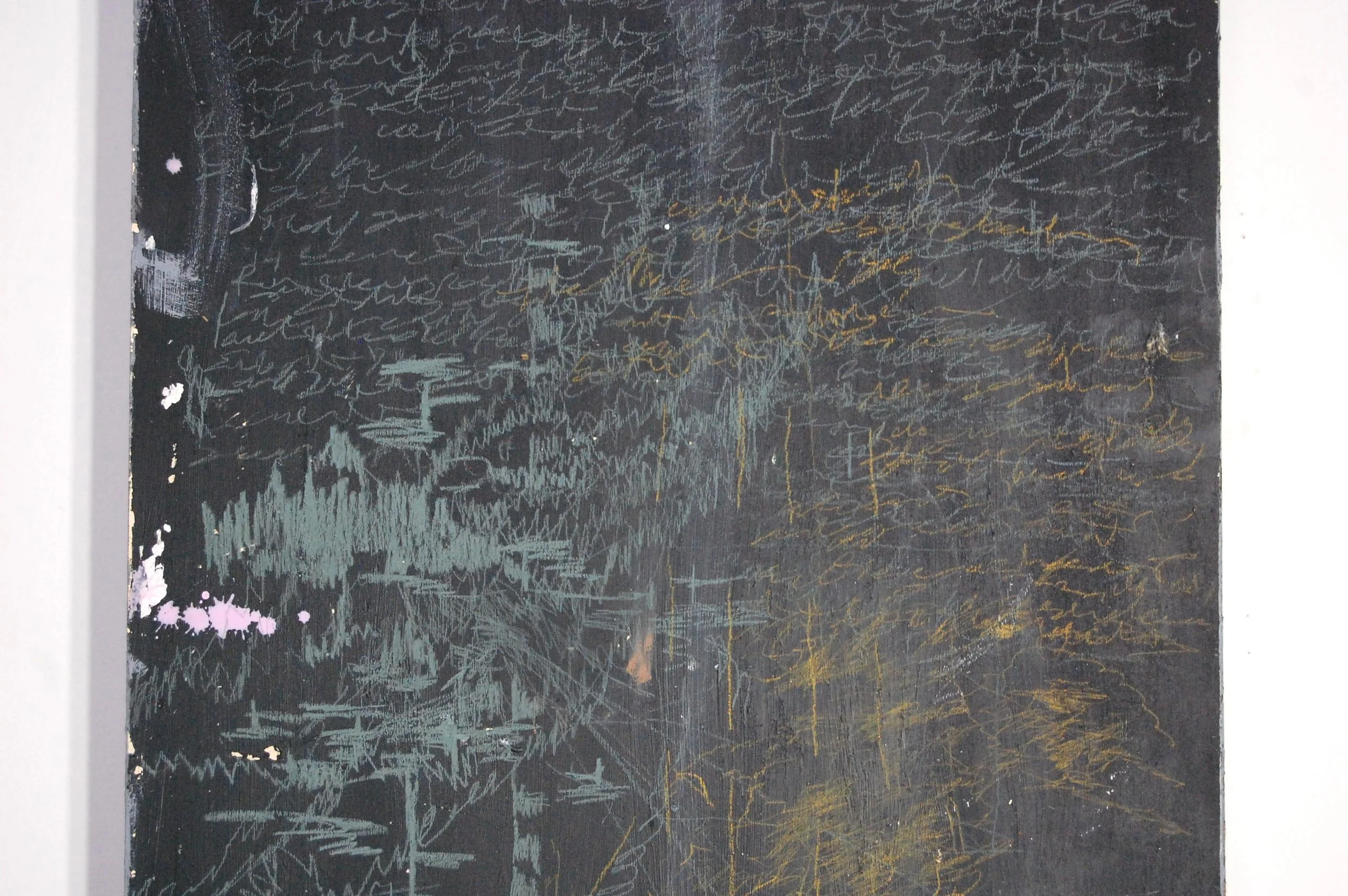
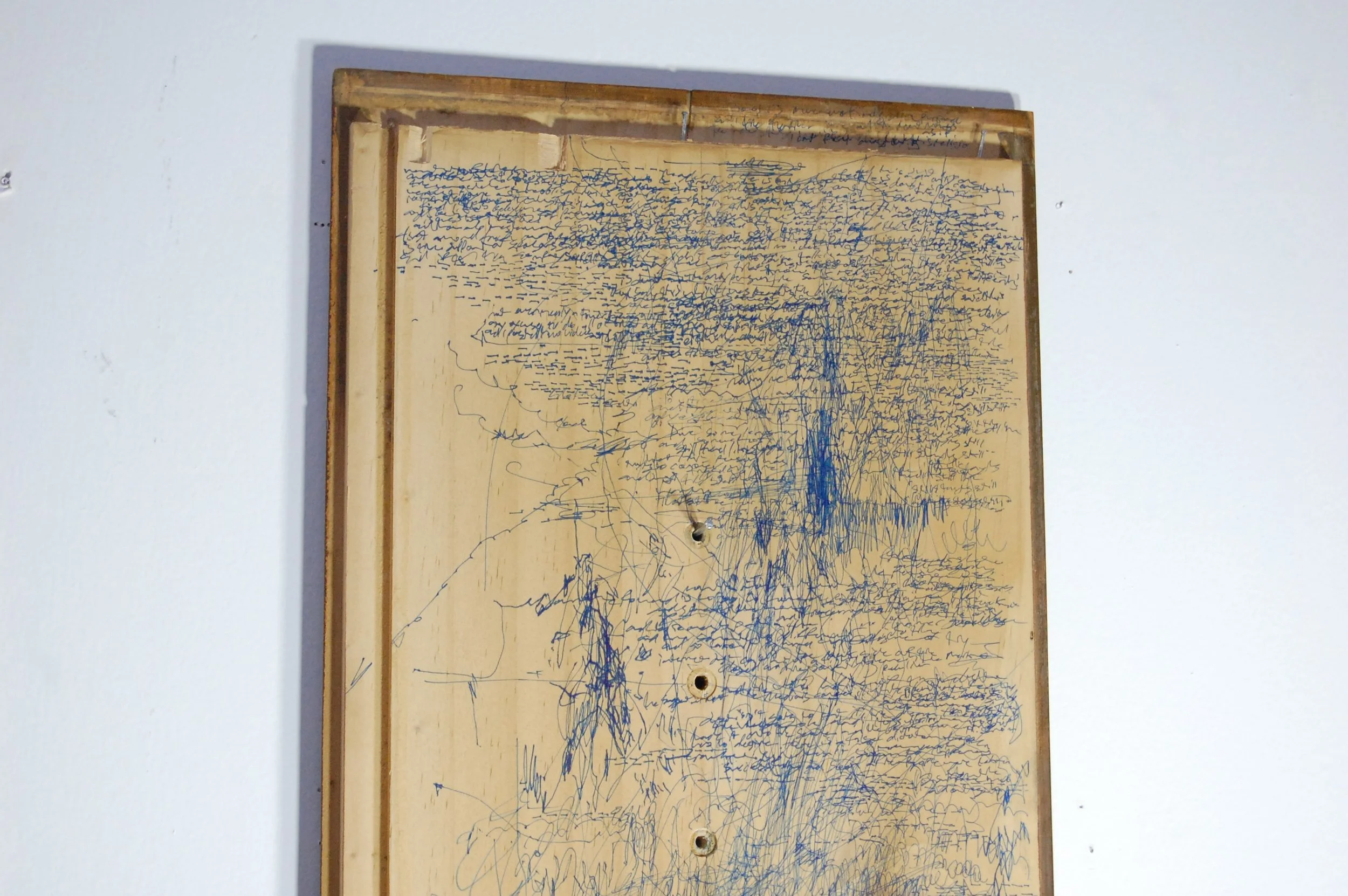
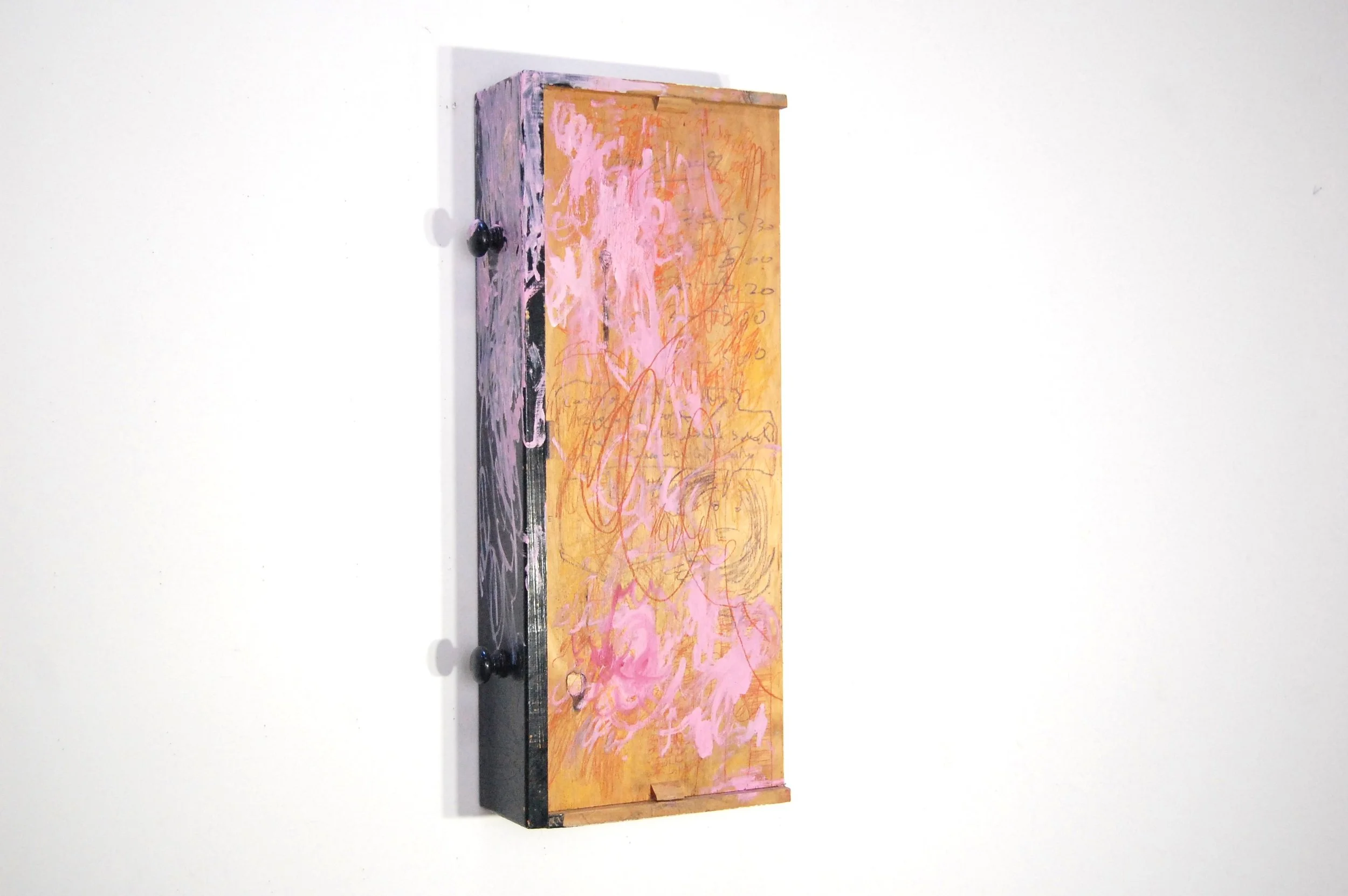
We are excited to present A scratch to a whisper, a new exhibition by Nicolas Ottavio Saccardo. In this exhibition Nicolas explores materiality, mark-making and trace through a series of works on found surfaces. Using previously discarded panels, boards and pages, Nicolas examines the relationship between surfaces and the body, both as the material of our human ecology and as artefacts of our culture.
Through this body of work Nicolas draws our attention to mark making, honouring found marks- carpenters measurements once hidden on the inside of cabinets, scuffs from use, the wearing away of surface through repetitive touch. Through studio practice, they add layers of text like marks, sometimes referencing writing, scribbles, shopping lists, diary entries, and sometimes gestural, abstract marks across the surface.
Nicolas Ottavio Saccardo (they/them) is an emerging visual artist living and practicing on Kaurna land. Utilising primarily drawing and sculpture, their work revolves around an interest in human-object dynamics and finding unexpected ways of viewing often mundane, found materials. Through material-led experimentation, they attempt to intervene with objects as a way to dislodge them from familiar day-to-day contexts and blur the lines between material, place, self, and others, all in a world that grows increasingly dense and chaotic.
Nicolas is a recent graduate from The Adelaide Central School of Art (2024) and is also an active member of Highhorse Collective, a multidisciplinary artist-run group active in the SA arts scene.
A scratch to a whisper is a collection of artworks that explore the concept of the trace, and how mundane human rituals render themselves into physical memory. Sparked from a wider interest in material histories, this body of work makes use of drawing and mark-making as tools to document narratives of who, how, where, and what. Each piece carries with it an abstract record of a particular moment in time, as passing interactions, thoughts, gestures, and routines are archived onto the object’s surfaces - mindlessly, compulsively, curiously.
The work examines the crossovers between humans and objects, and how the spaces we inhabit and the materials we use remember us. Routine registers itself a physical existence through our collisions with the material world – a door, opened daily, leaves a reminder of itself through scuff marks on the floor. Notations are inscribed on whatever materials are on hand – phone numbers copied on receipts, to-do lists scribbled in the margins. Mundane traces of our actions become preserved as anthropological artefacts. In much the same way, I myself have become frozen into the spatial and temporal record, whispering out upon the surfaces of these objects and calling to the viewer and others beyond.
This project has been assisted by the Australian Government through Creative Australia, its principal arts investment and advisory body
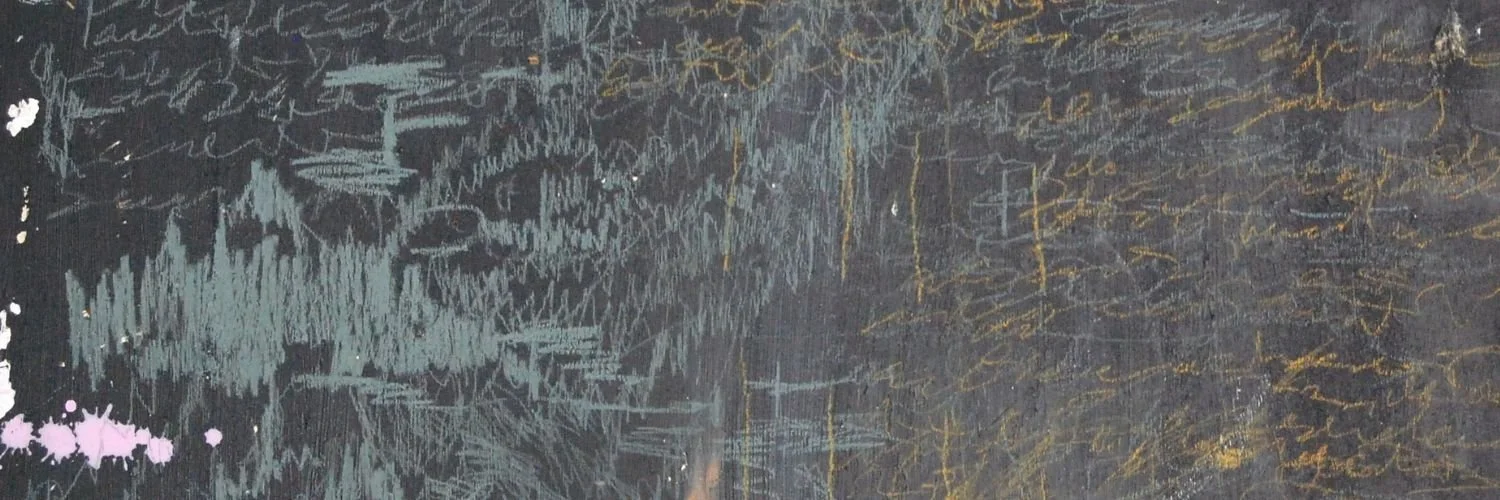
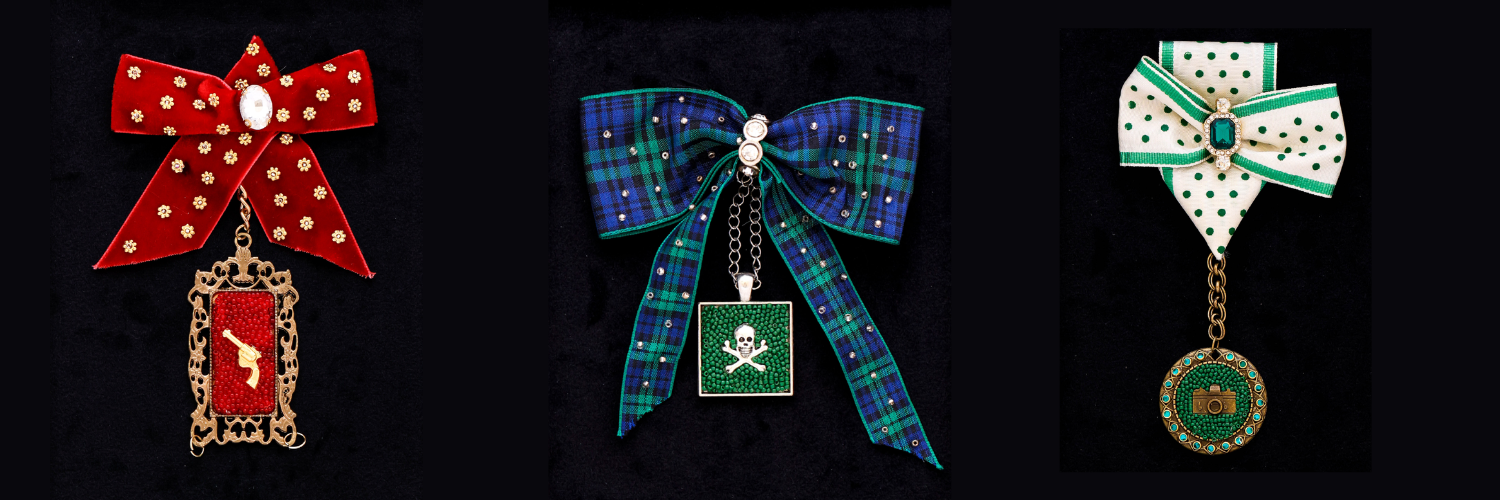
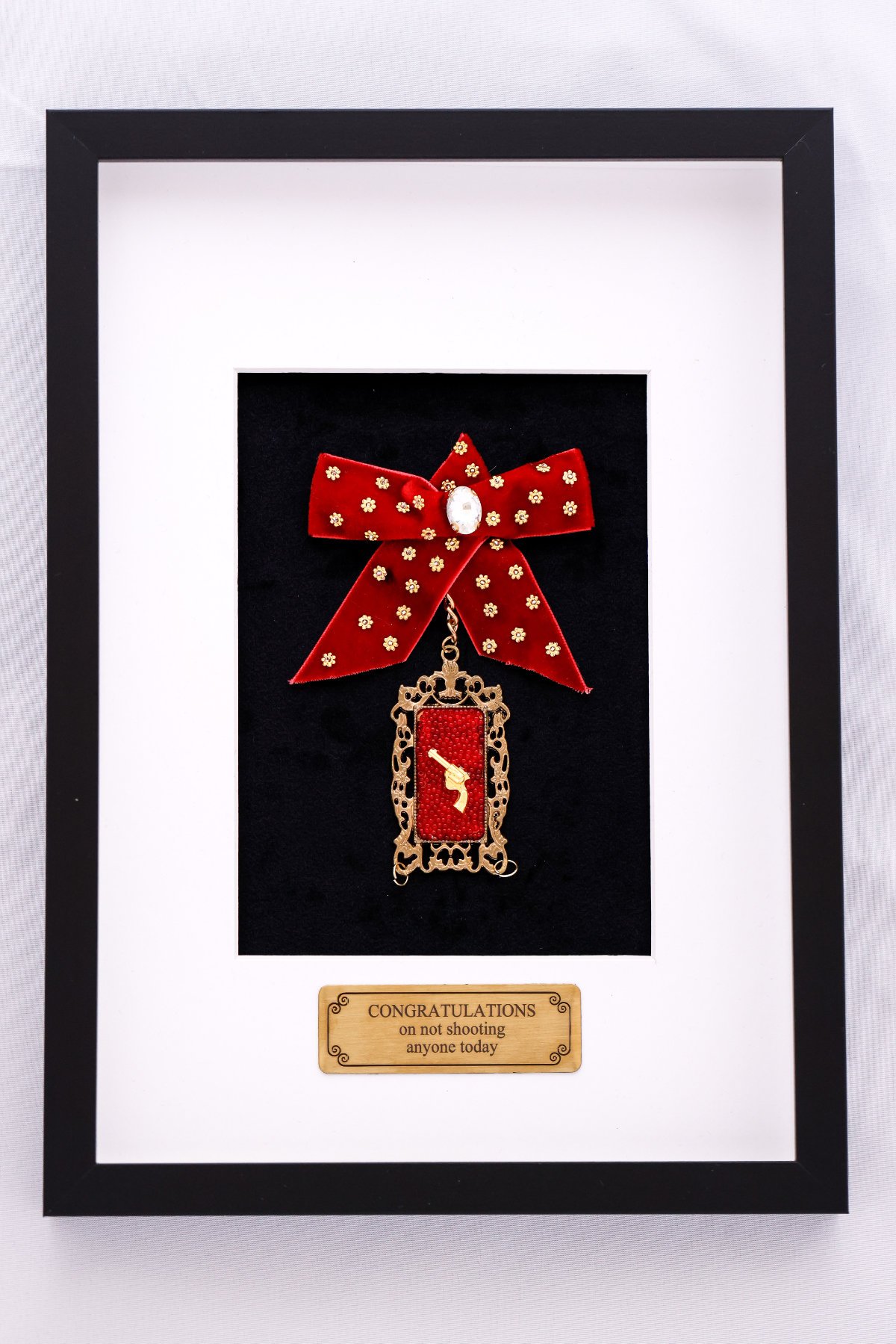
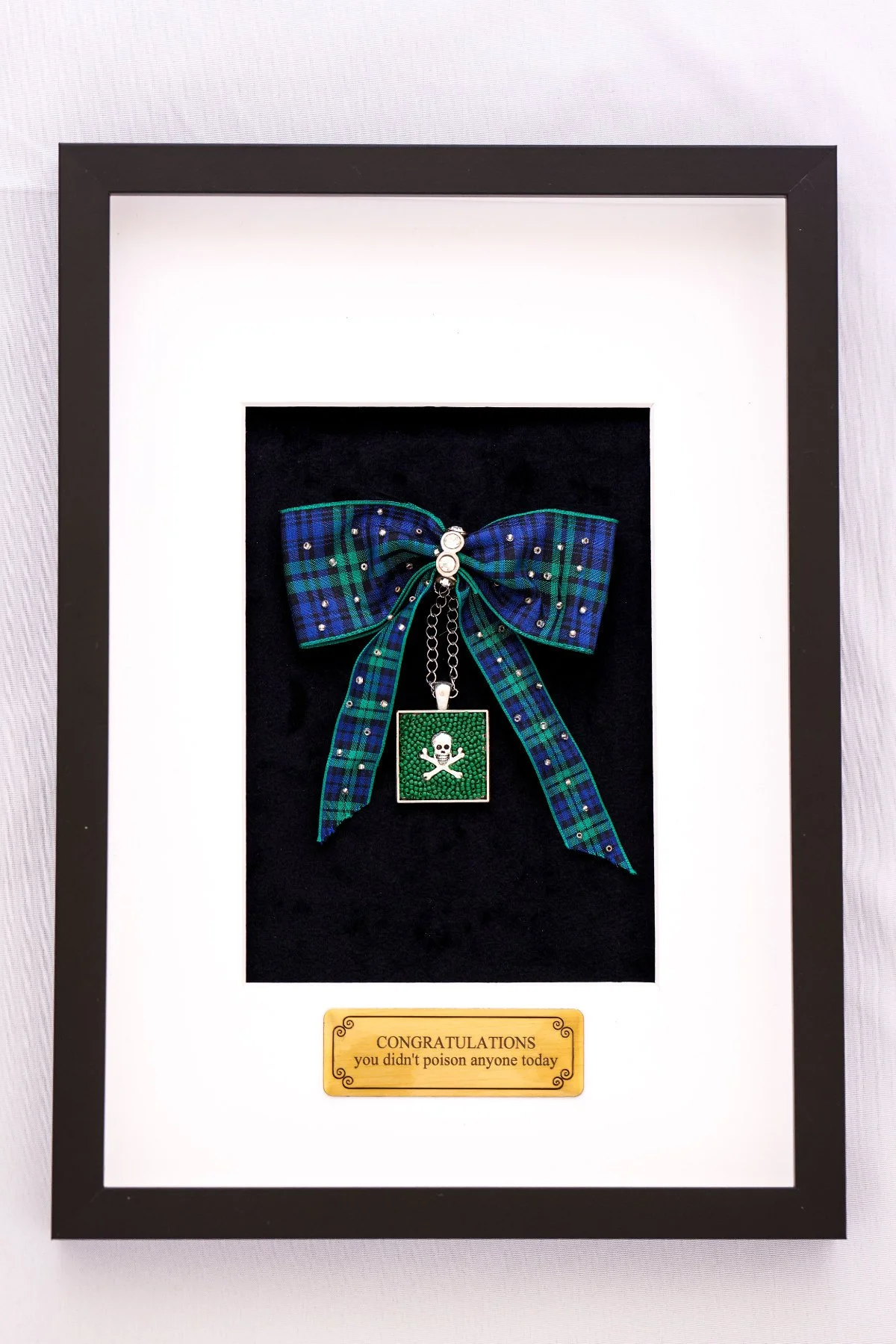
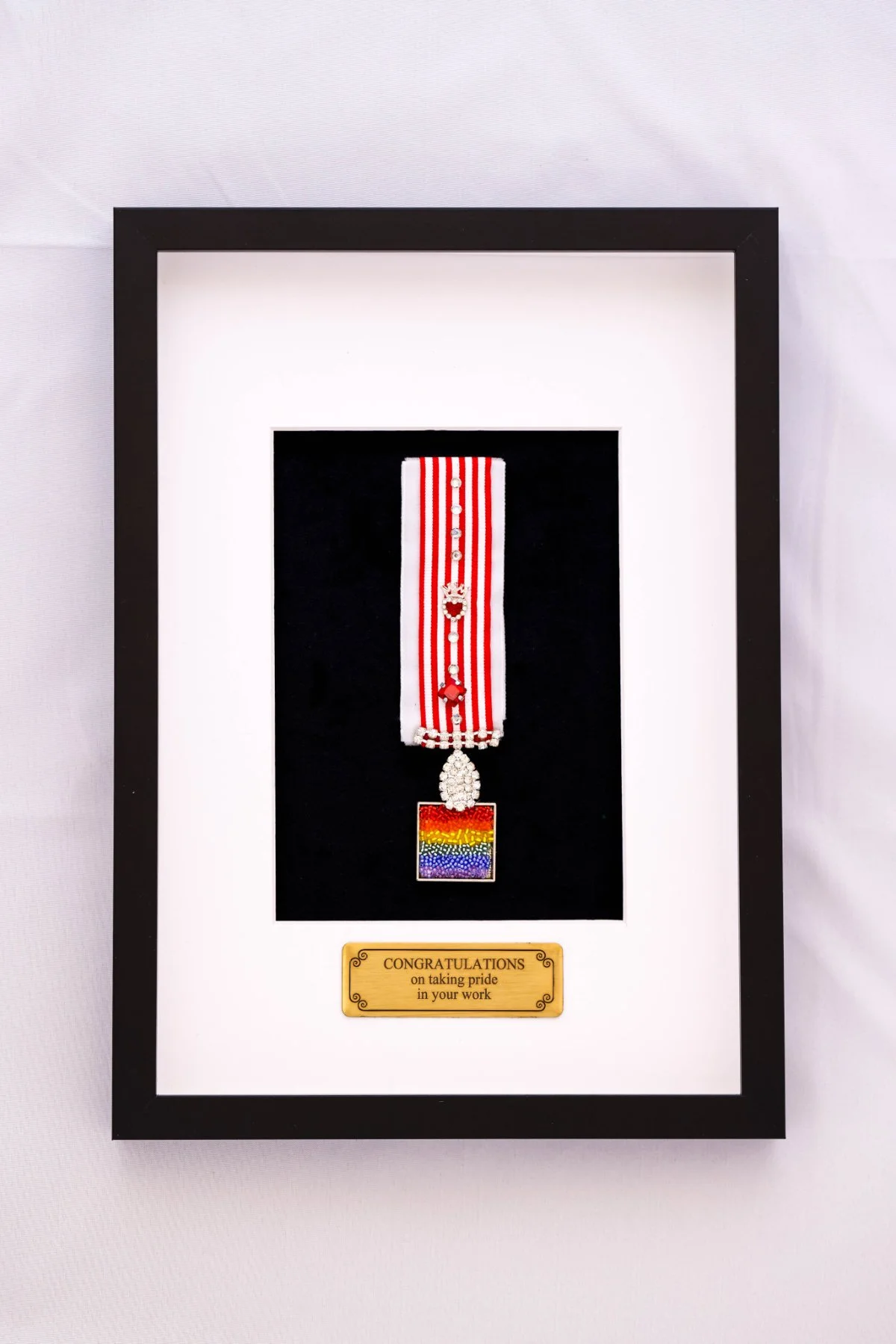
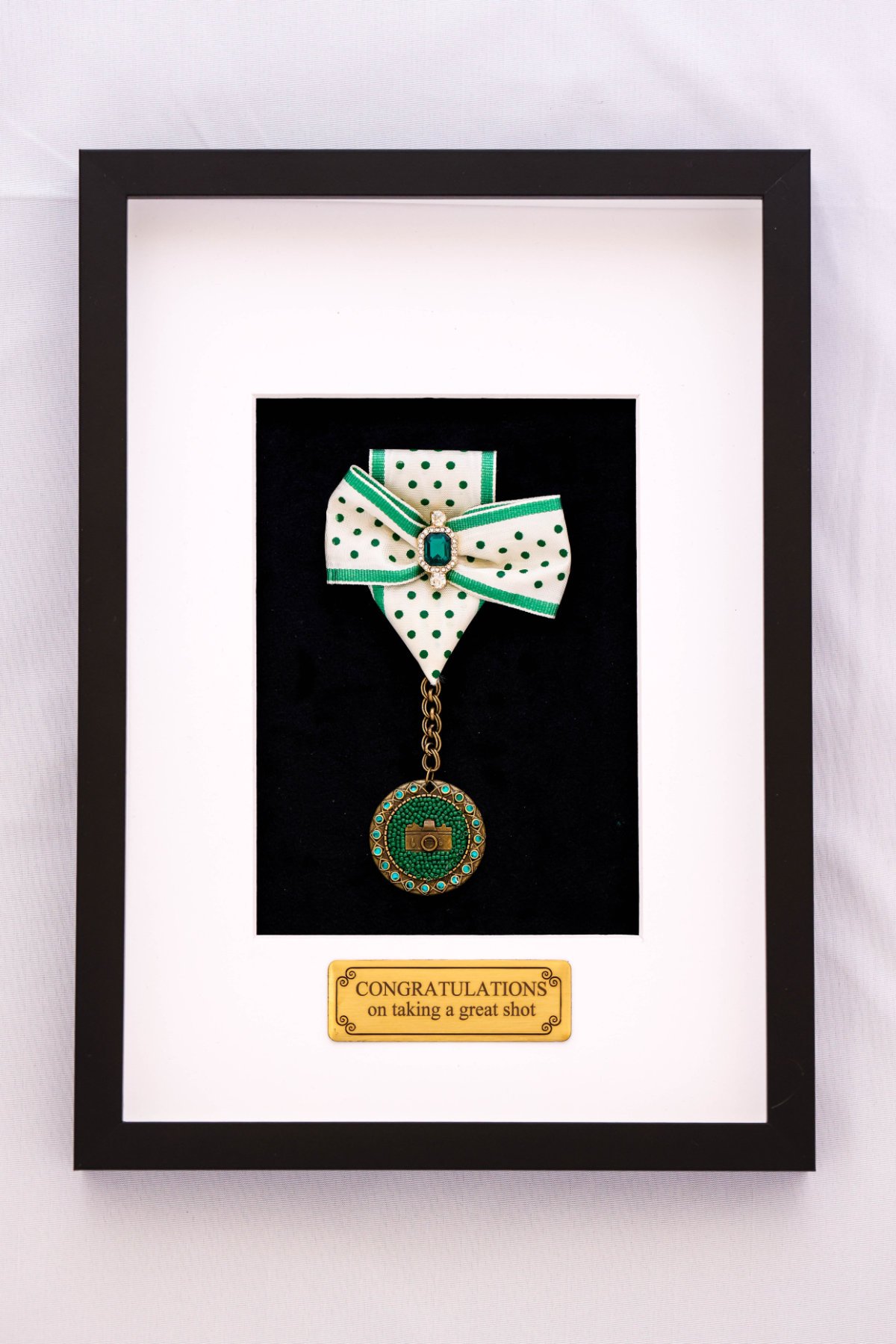
Image: Jen Trantor, CONGRATULATIONS, on not shooting anyone today, CONGRATULATIONS, you didn’t poison anyone today, CONGRATULATIONS, on taking a great shot, photo: Russell Millard
You can find Jen’ exhibition in The Mill’s Foyer Gallery, located at 154 Angas St, Kaurna Yarta (Adelaide).
The Mill’s galleries is open Monday-Friday, 10am-4pm.
Accessibility
The Mill’s entrance has a small step into the building. We have a ramp available, please ring the doorbell and our friendly team will assist you.
During gallery hours, our entrance will be unlocked. If the door is closed, please ring the doorbell to alert our team.
The Mill has concrete flooring throughout with no internal steps and a disability toilet on site.
Read more in-depth information on our accessibility web page.The Mill has concrete flooring throughout with no internal steps and a disability toilet on site.
We are excited to present CONGRATULATIONS, a new exhibition by Jen Trantor. With cheeky humour and more than a touch of sarcasm, Jen offers the least of us an opportunity to be celebrated. Her delightful series of medals commemorate mundane and everyday achievements - CONGRATULATIONS, you made it out of bed!!! We all get a chance to be decorated with rich velvet ribbons, embellished beading and gold work.
For Jen this is an opportunity to share about her own small wins. Each of these daily achievements are what add value, enjoyment and creative fulfilment to our lives. Sure, you could go run a sub-two-hour marathon, or, you could celebrate yourself for living your life in line with your values, knowing yourself deeply, and cherishing your friends. Don’t get too mushy about it though, this is all meant to be a bit tongue in cheek!
Jen Trantor is an installation artist using beads, embellishments, fabric and wire. Her work is a playful commentary, combining traditional craft methods with a contemporary twist and a touch of humour.
Jen Trantor is a petty and slightly ironic artist.
This body of work is based on the jealousy of her very athletic partner who has so many medals……..it’s ridiculous!
So she has created an exhibition around the medals that she should have been awarded.
She hopes that others can relate.
This project has been assisted by the Australian Government through Creative Australia, its principal arts investment and advisory body
You can find Toni’s exhibition in The Mill’s Gallery I, located at 154 Angas St, Kaurna Yarta (Adelaide).
Gallery I is open Monday-Friday, 10am-4pm.
Special weekend opening hours, one-off Saturday April 11, 11am - 4pm, with both artists on site for a meet and greet.
Accessibility
The Mill’s entrance has a small step into the building. We have a ramp available, please ring the doorbell and our friendly team will assist you.
During gallery hours, our entrance will be unlocked. If the door is closed, please ring the doorbell to alert our team.
The Mill has concrete flooring throughout with no internal steps and a disability toilet on site.
Read more in-depth information on our accessibility web page.The Mill has concrete flooring throughout with no internal steps and a disability toilet on site.
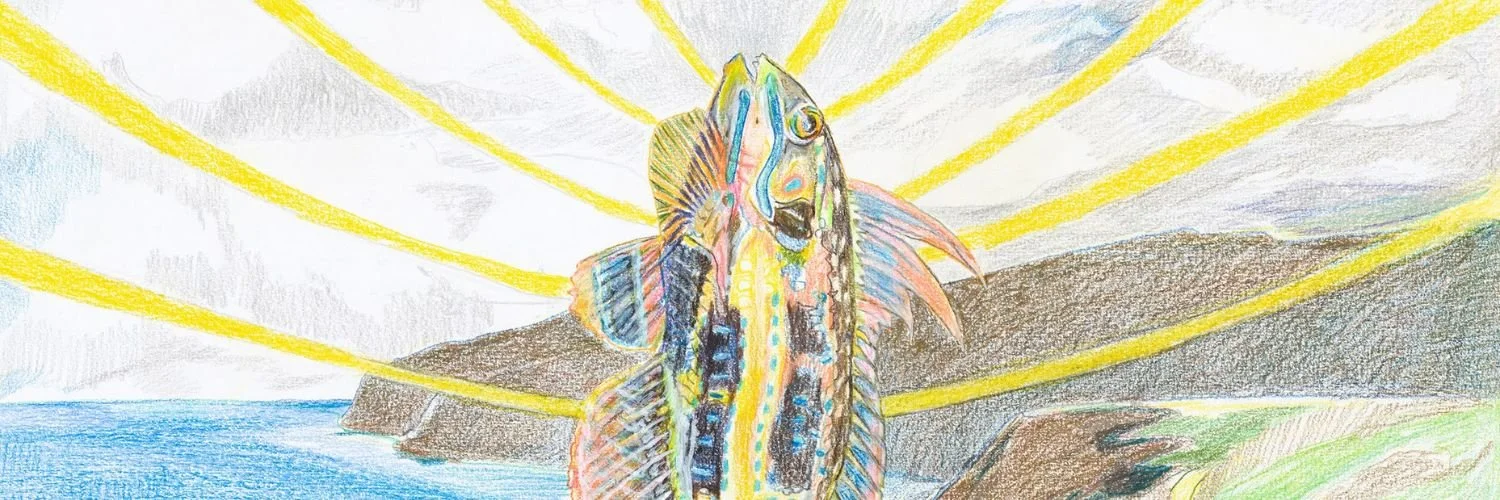
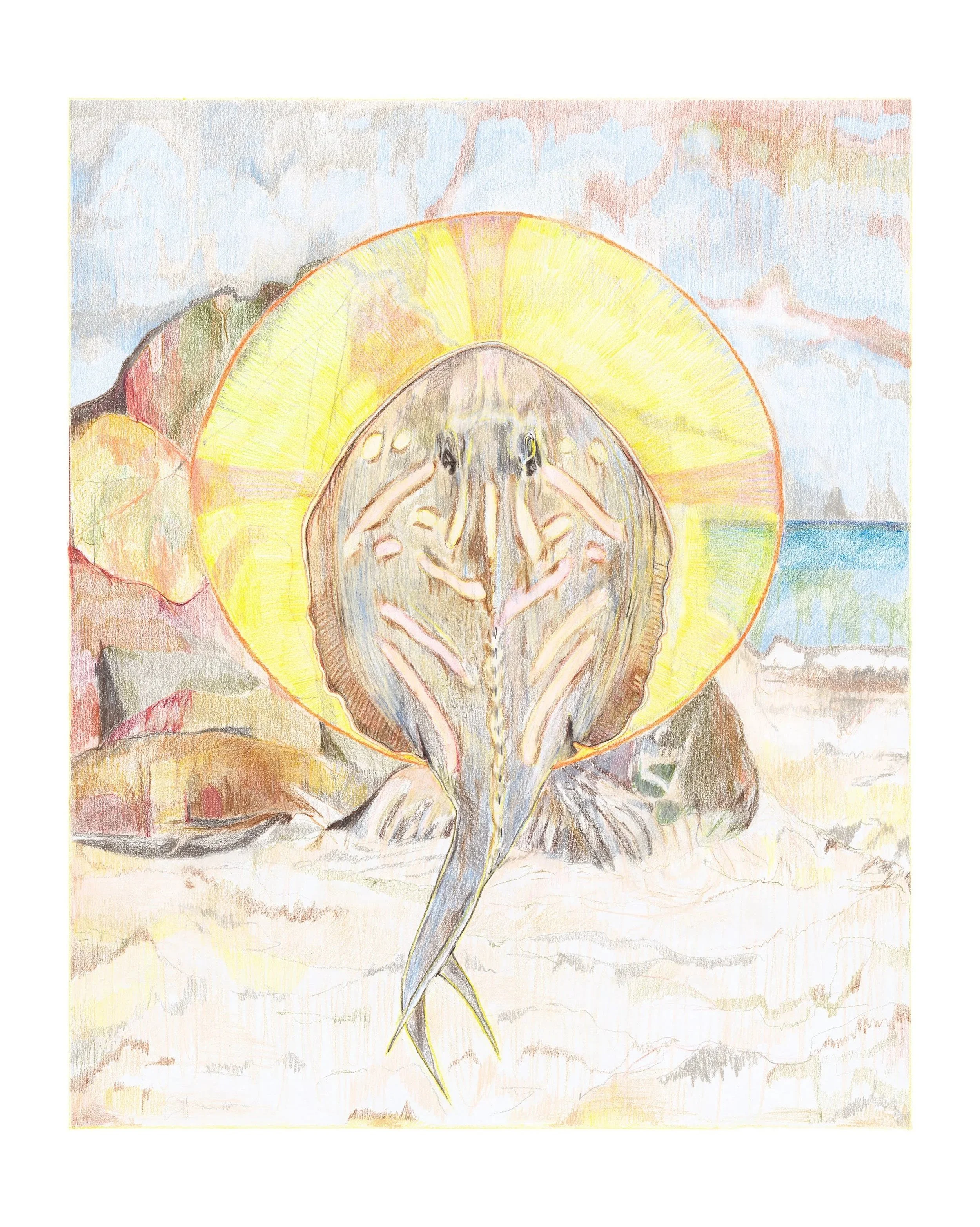
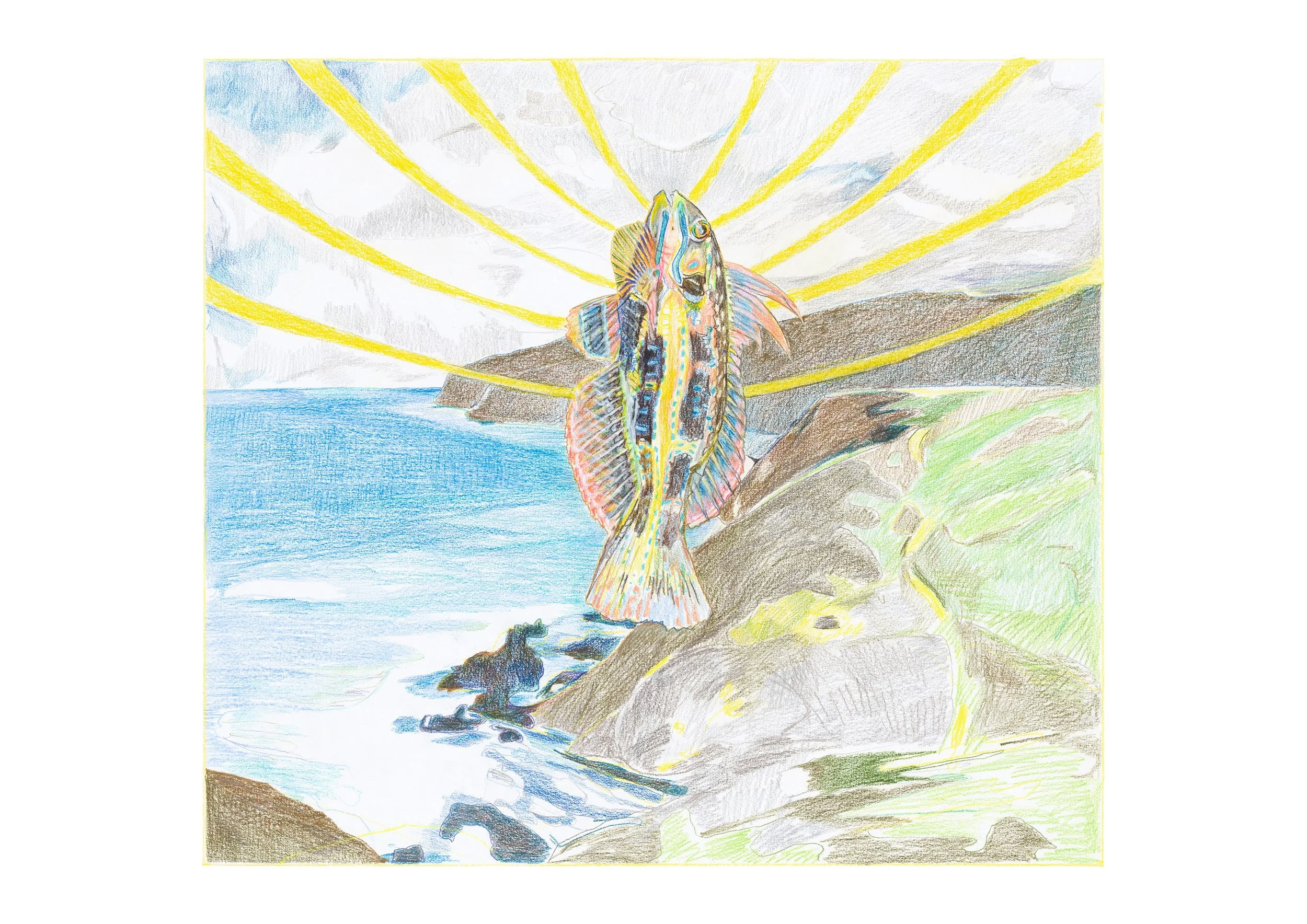
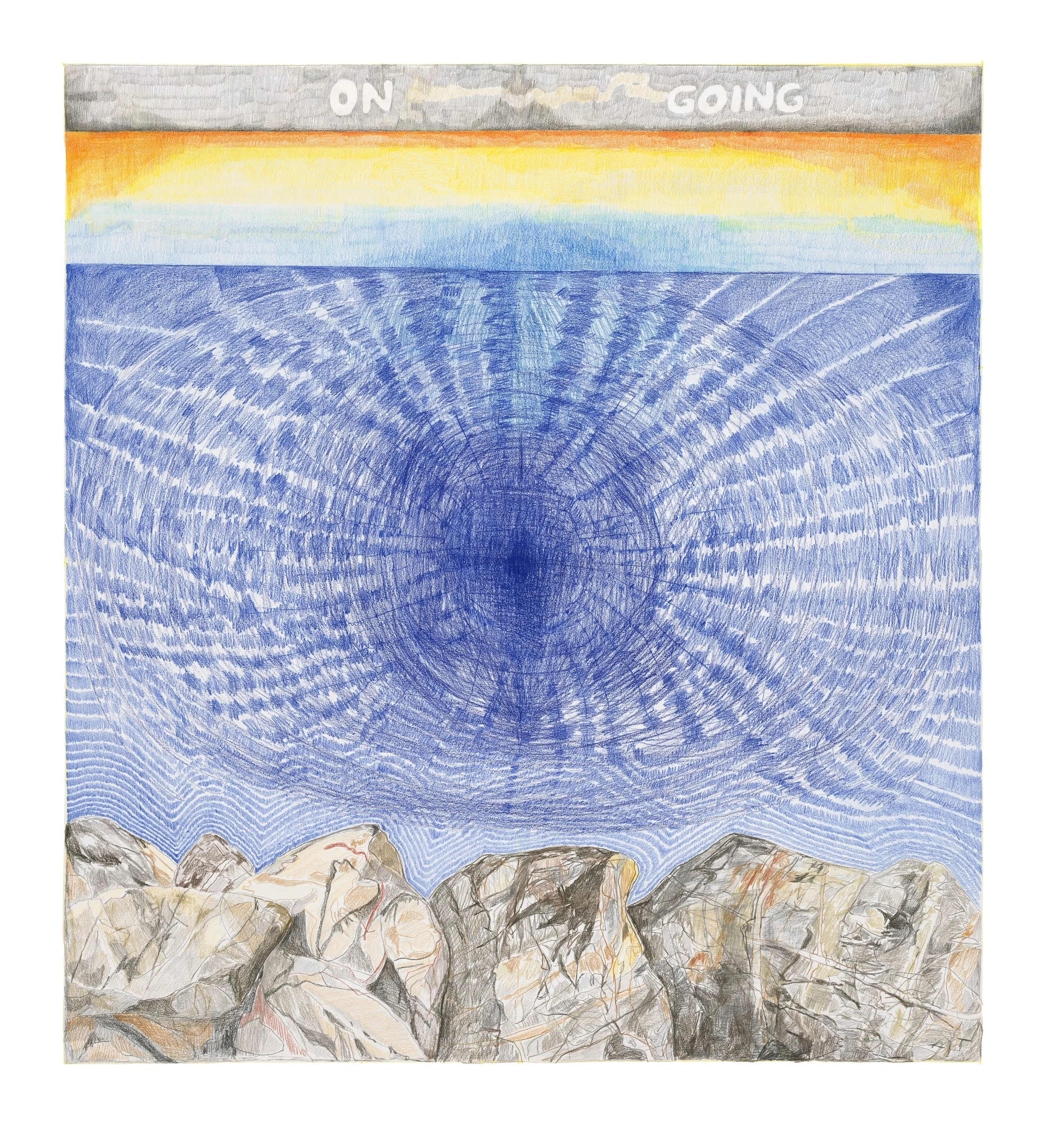
We are excited to present The Sea is Talking, a new exhibition by Toni Hassan. In this exhibition Toni works across multiple modalities to honour the lives of the countless marine creatures, some of which she witnessed dead, or struggling, as the South Australian coastline became impacted by the harmful algal bloom. Her regular walks along the city’s shoreline have revealed the incredible biodiversity of our local waters, sparking curiosity as well as sadness.
Through large scale coloured pencil drawings, video, and mixed media installation, Toni creates a feeling within the gallery akin to the emotional response she has had on the beach. We feel the physicality of the experience: a sense of awe, coupled with grief. We get a sense of the tide as it often was, washing in with creamy foam, and we observe an eel in a gripping dance, fighting for breath. Toni ponders our current environmental realities, positioning the algal bloom as a barometer for our world, asking, 'If the sea is talking, who's listening?' Further, 'What does it mean to truly listen?'
Toni Hassan is an award-winning visual artist and writer. She is committed, in her multidisciplinary practice, to being a witness, seeking to express interconnections and inspire care. In her drawing, painting, digital and installation work she investigates contemporary events, patterns of human relating and nature (including non-human centric perspectives).
This is Toni’s third solo show since she graduated from the School of Art and Design at the Australian National University in 2021. Her artwork is held in public and private collections.
These works respond to what I encountered on walks along the beaches of Adelaide’s Gulf of St Vincent and south, along the Fleurieu Peninsula in 2025. I felt the sea was talking. Countless marine creatures appeared, like secrets of the sea. Their appearance provoked both pathos and surprising awe and delight.
All life forms have intrinsic value, independent of their utility to us. Environmental events challenge us at many levels, as planet Earth talks. With the harmful algal bloom, I began to wonder, again, ‘What is mine to do?’ I was provoked to consider the role of ecological ethics that can be expressed through art. As Ashlee Cunsolo and Karen Landman argue in their introduction to Mourning Nature: Hope at the Heart of Ecological Loss and Grief (2017), it is vital to "disrupt the dominance of humans and expand the circle of the grievable beyond the human.”
Drawing allowed for a meditation on nature’s beauty and abundance, and our interconnectedness and dependence on nature. While hearing nature groan, there was something about noticing contour and shape, colour and texture, that helped open up space to move from disenchantment to enchantment. Material collected along the seashore inspired other work that allowed for play, helping process my sense of loss and to express hope of renewal.
You can find Toni’s exhibition in The Mill’s Gallery I, located at 154 Angas St, Kaurna Yarta (Adelaide).
Gallery I is open Monday-Friday, 10am-4pm.
Special weekend opening hours, one-off Saturday April 11, 11am - 4pm, with both artists on site for a meet and greet.
Accessibility
The Mill’s entrance has a small step into the building. We have a ramp available, please ring the doorbell and our friendly team will assist you.
During gallery hours, our entrance will be unlocked. If the door is closed, please ring the doorbell to alert our team.
The Mill has concrete flooring throughout with no internal steps and a disability toilet on site.
Read more in-depth information on our accessibility web page.The Mill has concrete flooring throughout with no internal steps and a disability toilet on site.
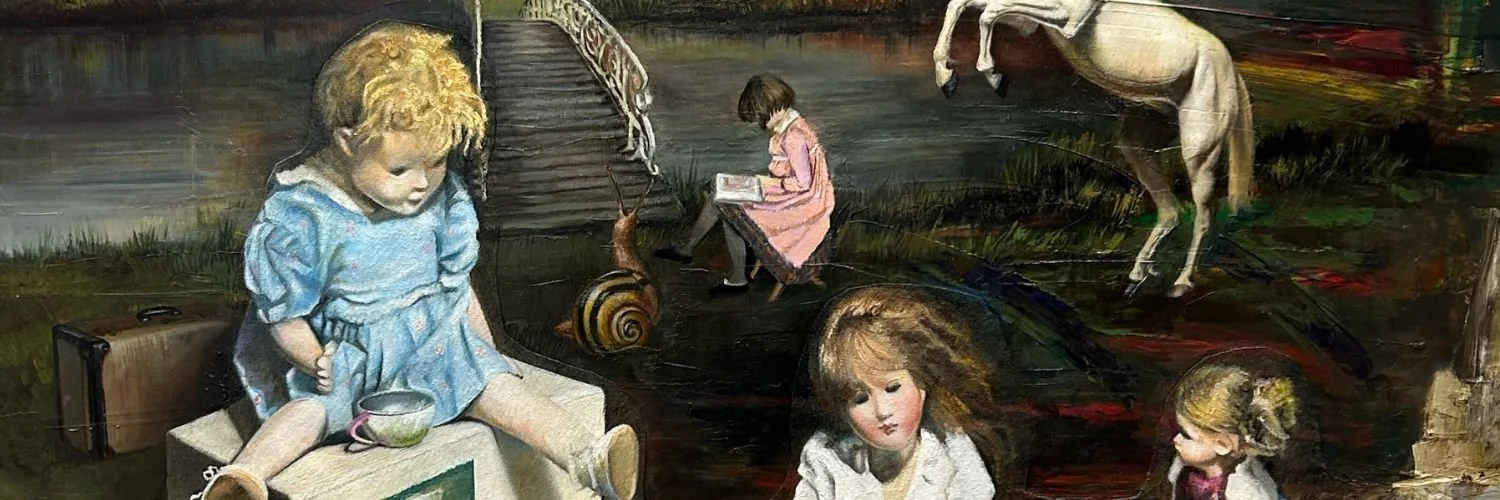
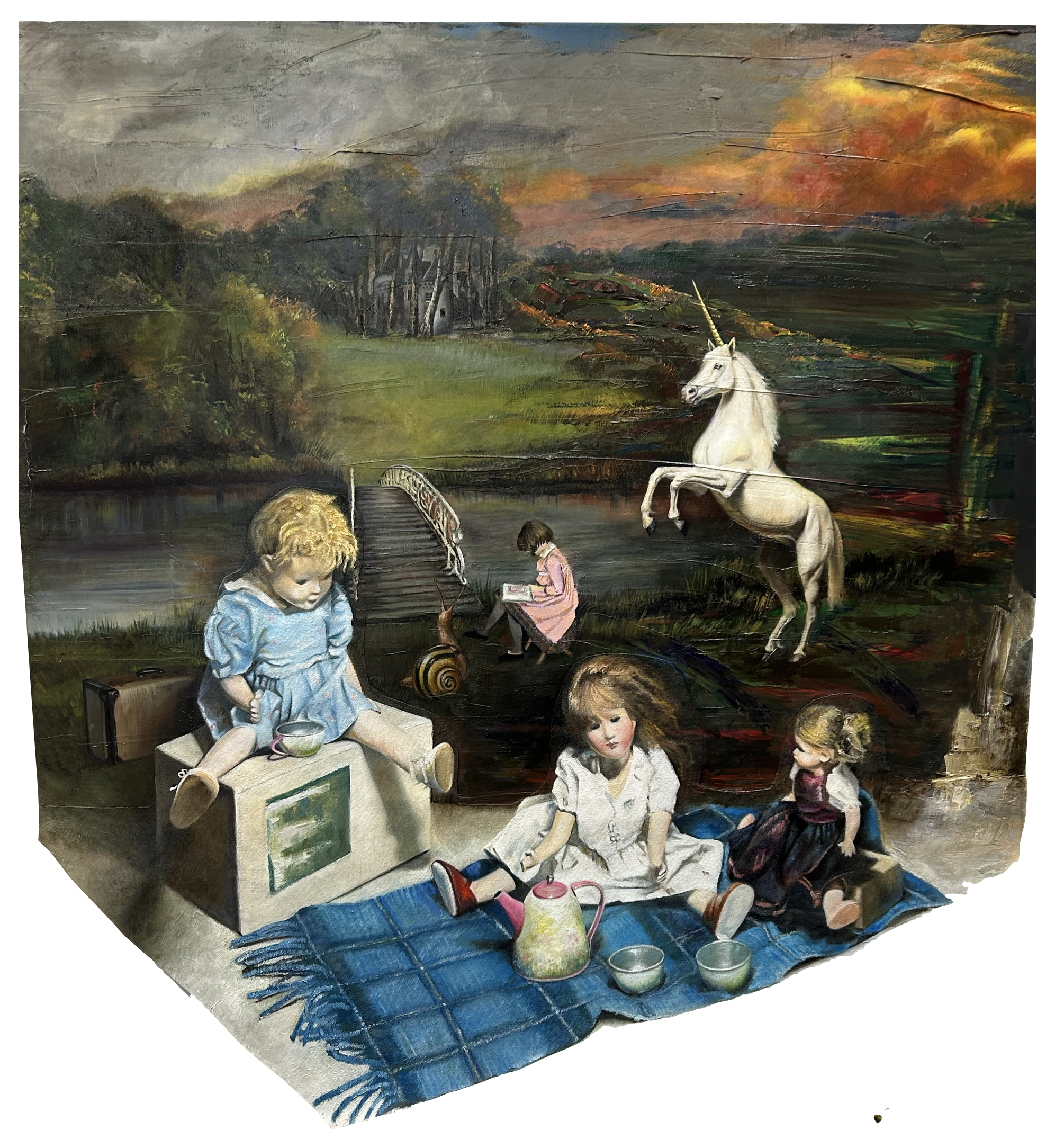
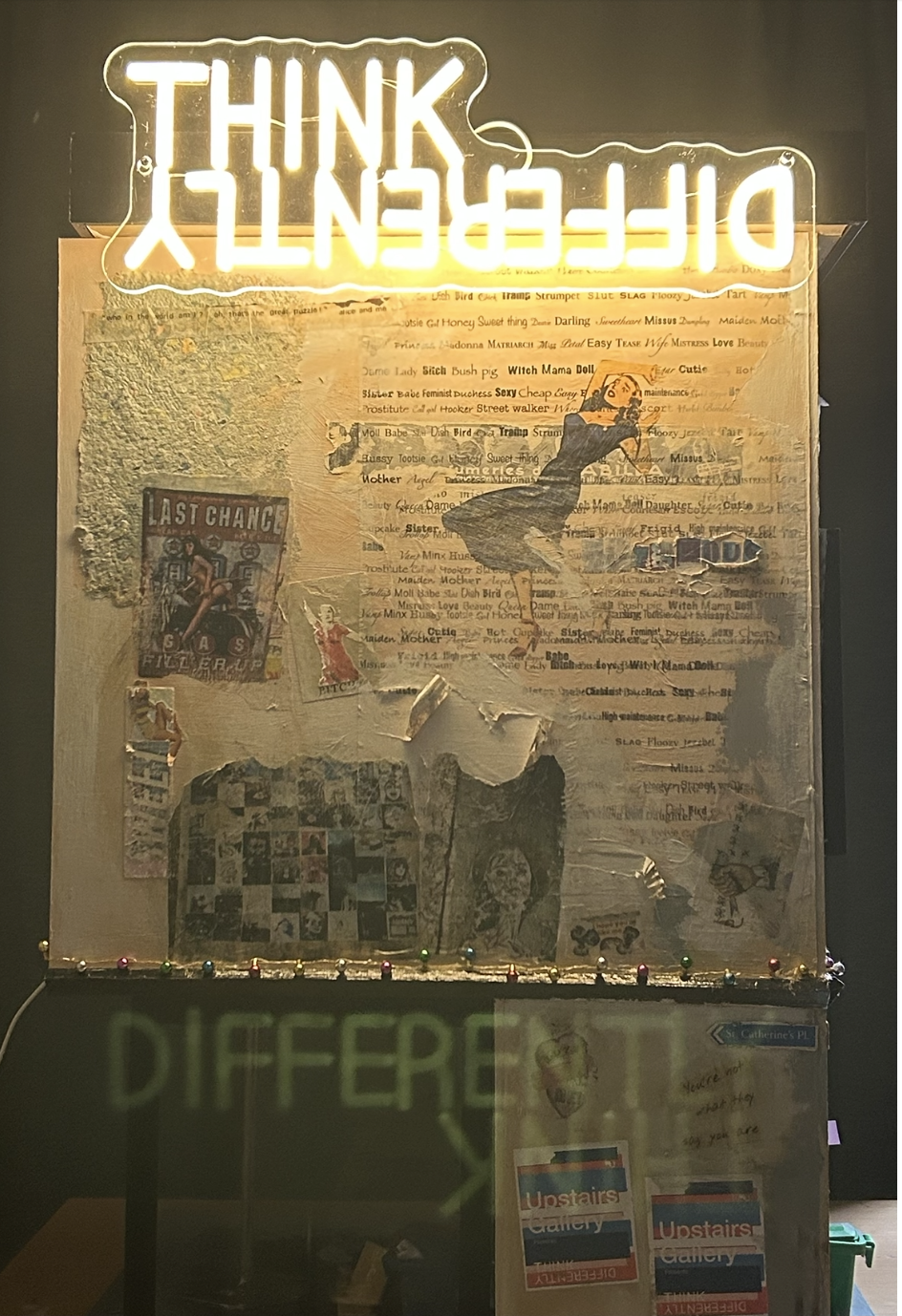
We are excited to present Think Differently, a new exhibition by Anthea Tsigros Jones. In Think Differently Anthea explores personal narratives through a series of fantastical, embellished and slightly surreal paintings, collages and sculptures. Reimagining childhood scenarios, Anthea places versions of herself amongst world filled with strange dolls and unsettling horizons.
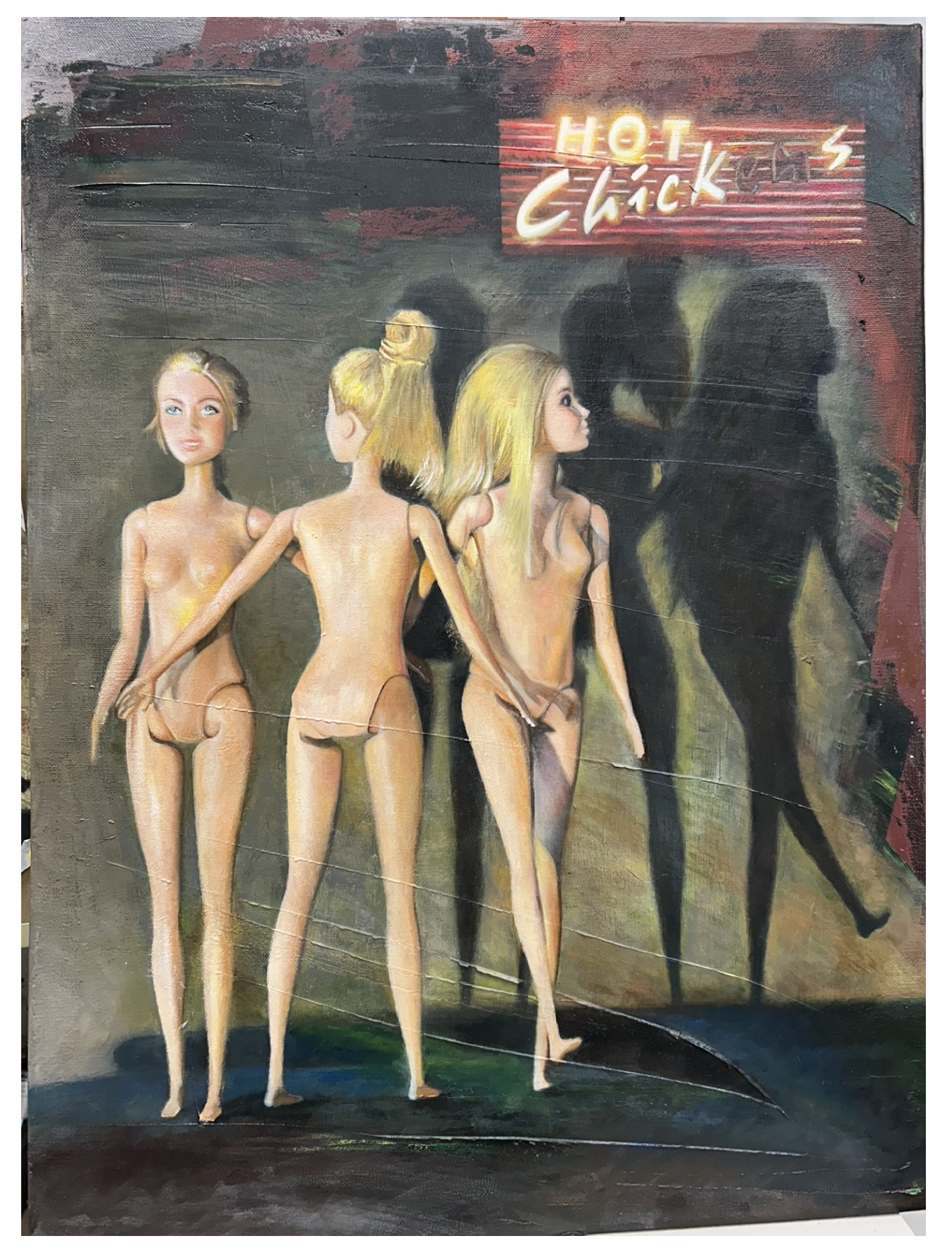
In these works, she utilises her training in classical realism, slipping seamlessly between crisp renditions and loose, painterly backgrounds that conceal more than they reveal. In Hot Chicks she references the Three Graces of greek mythology, with blonde and blue eyed nude barbie dolls bringing to light Anthea’s experience of misogyny and patriarchy.
Alongside her paintings, she presents new sculptural installations - dioramas of a life imagined through playfulness. Anthea’s Think Differently- the 3 (dis)graces) places three nude barbies (as seen in the previously mentioned painting) inside a two story gallery and studio, complete with holographic wallpaper, disco lights and an eternally spinning circular platform. We see their blank faces and abject sections of their bodies reflected back at us from the mirror, while outside the walls of the doll house are plastered graffiti style with misogynistic slurs.
Layered paper collages form the third and significant part of this exhibition, showcase Anthea’s unique process. Through these works, she shares the playful, open and responsive process that she uses to develop compositions for her paintings. Artworks in their own right, these multimedia works mirror the themes of the exhibition, speaking about childhood desires, awkward social interactions, and time spent alone engrossed in her own world.
Through Think Differently, Anthea speaks to the pressures of women of her generation - the expectations of her parents, the role she took on as a wife and mother, and now the freedom of expression she experiences as an artist. Alongside the dark and surreal elements, we are also offered joy and play; Anthea’s pleasure is palpable in The pavilion of dreams, a circus tent complete with carousel of unicorns and twinkling fairy lights, made spontaneously with complete submission to her inner child- an absolute delight!
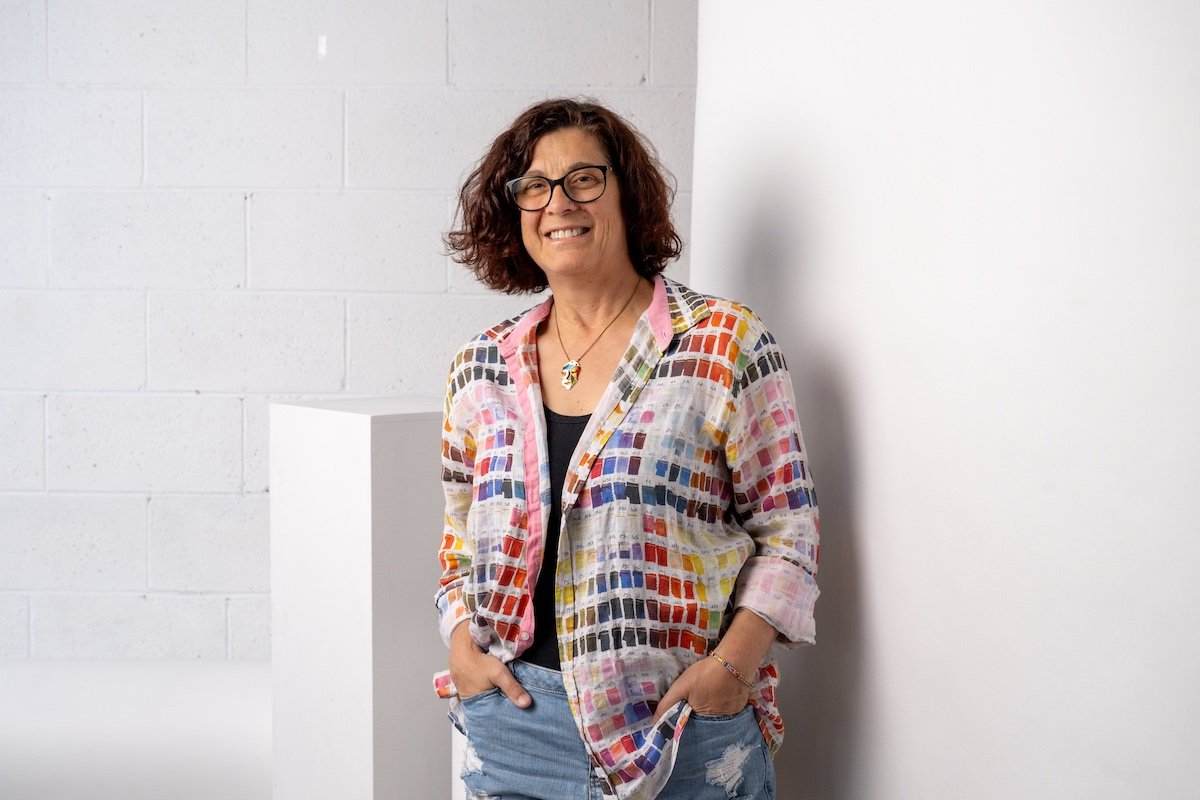
Anthea is a visual artist born in Millicent, now residing in Adelaide.
Deriving new found pleasure from creating with mixed media, she has fused textiles, paper and found objects to create this body of work, Think Differently, expanding her ouvre beyond self-imposed strictures that limited her exhibited arts practice to drawing and painting.
Think Differently is Anthea’s first solo exhibition since completing formal studies in 2023 and two self-directed residencies in France in 2024/25. Her formal qualifications include an Advanced Diploma in Visual and Applied Art, a Graduate Diploma in Management (Arts), a Graduate Certificate in Art History and a Diploma in Atelier Arts.
Anthea’s formal studies have been supplemented by a summer school at the London Academy of Realist Art and a week of life painting with the acclaimed Shane Wolf in the UK.
Anthea has exhibited in numerous shows and her work is held in private collections in Adelaide, Melbourne, Washington, New York and The Diderot Collection at Château d’Orquevaux.
If there was one word Anthea would use to describe her arts practice it would be meraki, a Greek word meaning the act of doing something with soul, creativity or love, putting “something of yourself” into the work. It signifies leaving a piece of your essence in what you do and describes a total devotion to a project.
Somewhere over the rainbow, way up high, There's a land that I heard of once in a lullaby, Somewhere over the rainbow, skies are blue, And the dreams that you dare to dream really do come true..’
This song has always resonated with me. I love rainbows. They are truly beautiful. No one can ever own one. To create a magnificent rainbow we need the rain and the sunshine and to truly appreciate the visual experience one must be fully present in the moment it occurs. Serendipity, synchronicity and magic all come to mind when I think of rainbows and I’m always transported to far away places when I encounter one during an ordinary day.
Think Differently began, earnestly, in 2024 as purely a painting project. This singular mission took a compelling turn when due to personal development work I found myself questioning my life experiences in general and how I used them in the context of self expression, particularly in my art practice. It felt imperative that I address this yearning to invoke my authentic artistic voice, in whatever capacity it was available to me.
Think Differently evolved, organically when I became engrossed in my creative ‘side hustles’ away from the easel and I realised this was where the joy was hiding. By reinventing old art works and creating new narratives I found history in the layers and textures of these works, both conceptually as well as physically.
Thus, it would be fair to say that my authentic practice is structured, academic traditional painting and drawing techniques fused with mixed media collage, sewing and construction.
Reflecting my childhood practice of making do, my aesthetic is Greek Village Chic - start where you are, use what you have, do what you can. Without exception, every piece in the exhibition started life as something else and I relish the challenge of turning trash into treasure.
“Everything begins with a story” - Joseph Campbell
This artist led Forum will be in our Galleries, located at 154 Angas St, Kaurna Yarta (Adelaide).
Please arrive at 5:30pm for a 5:45pm dance performance by Sandy Marion, in response to the exhibition.
6-7pm the forum will take place.
Accessibility
The Mill’s entrance has a small step into the building. We have a ramp available, please ring the doorbell and our friendly team will assist you.
During gallery hours, our entrance will be unlocked. If the door is closed, please ring the doorbell to alert our team.
The Mill has concrete flooring throughout with no internal steps and a disability toilet on site.
Read more in-depth information on our accessibility web page.The Mill has concrete flooring throughout with no internal steps and a disability toilet on site.
We invite you to join us for an artist led forum discussing the impact of the South Australian algal bloom, and opening a discussion about climate, ecologies, and our place in the world.
This forum builds on The Sea is Talking, a new exhibition by Toni Hassan currently Showing in Gallery I. Speakers include Toni Hassan, ecologist Dr Faith Coleman, and curator Lindl Lawton. The forum will also include a short performance by artist Sandy Marion in response to Toni Hassan’s exhibited video work Death Dance(Longfinned worm eel, Scolecenchelys breviceps).
As chair of the panel, Toni brings her curiosity, advocacy background and creative insights to a lively conversation with a panel of special cross-disciplinary guests, exploring how creative practice can open new ways of thinking, feeling and responding to environmental change.
She asks; In the wake of South Australia’s devastating algal bloom, how can art help us make sense of ecological loss? And as the planet warms, what practical and imaginative roles can South Australians play in caring for our marine ecosystems?
About the artists:
Toni Hassan is an award-winning visual artist and writer. She is committed, in her multidisciplinary practice, to being a witness, seeking to express interconnections and inspire care. In her drawing, painting, digital and installation work she investigates contemporary events, patterns of human relating and nature (including non-human centric perspectives).
This is Toni’s third solo show since she graduated from the School of Art and Design at the Australian National University in 2021. Her artwork is held in public and private collections.
Faith Coleman comes from a family of environmentalists and primary producers, with multiple generations of her family working on the ecology of salinas, saltlakes and estuaries, so she was (quite literally) born with her feet in saline muds. She spent her childhood exploring tidal deltas, in some of the most remote regions of Australia. She is passionate about developing deep understandings of estuarine processes, integrated approaches to estuarine management, adaptive management of landscapes to preserve ecological features, climate change adaptation and sustainable natural resource use. Faith has also published under the name Faith S. Cook.
Lindl Lawton has spent three decades in the cultural sector as an historian and museum curator, most notably as Senior Curator at the South Australian Maritime Museum. In 2016, she curated The Art of Science: Baudin’s Voyagers 1800–1804, a touring exhibition of scientific artworks from French collections, sparking her interest in how art can deepen our understanding of the natural world.
Now Manager, Interpretation and Cultural Collections at the Adelaide Botanic Garden, she creates innovative ways to engage visitors with nature and foster environmental stewardship. Lindl manages the Museum of Economic Botany’s dynamic program of contemporary art exhibitions, where artists explore environmental challenges, respond to the Garden’s collections, and interrogate its colonial foundations. She is committed to creating programs where art, science, and community experience converge to illuminate urgent environmental issues.
Sandy is a dance theatre maker, multidisciplinary artist/activist and community organiser living on Kaurna Yerta, Adelaide. She is passionate about using art and community building as tools for connection and transformation, to connect people more to themselves, to others and to the world around them.
This forum has support from a Human.Kind Ripple Effect grant
We invite you to join us for the closing event for Hasta La Raíz, Kosh-Chenar, and The House of a Thousand Faces, and an Artist Spotlight from exhibiting artist Carmen Alcedo.
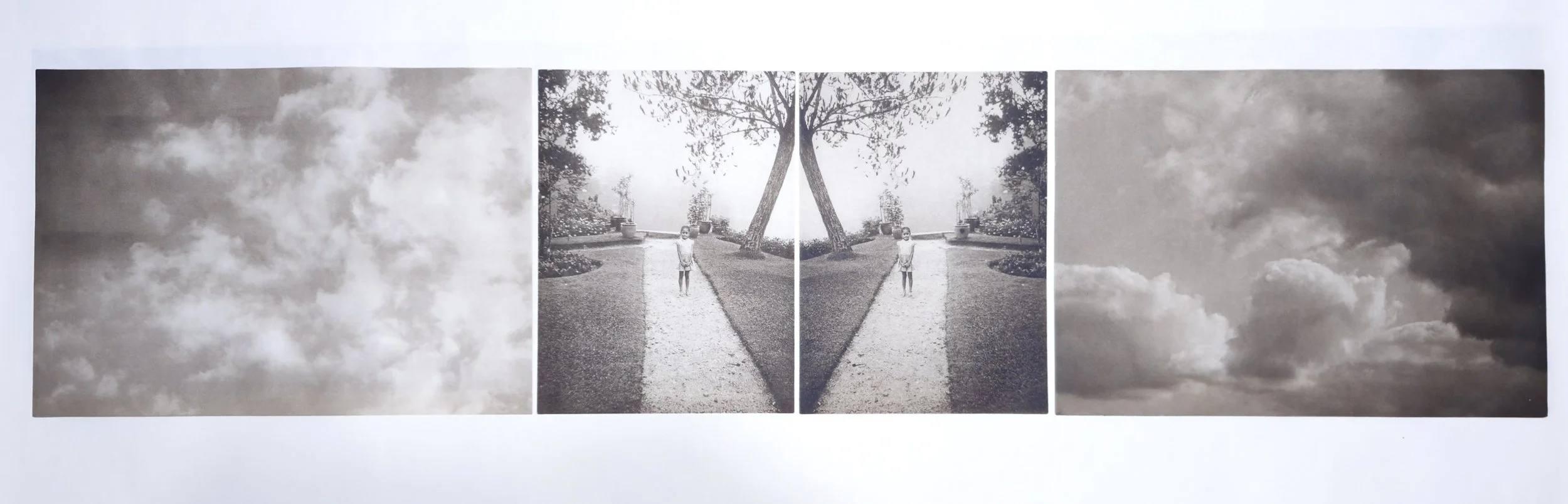
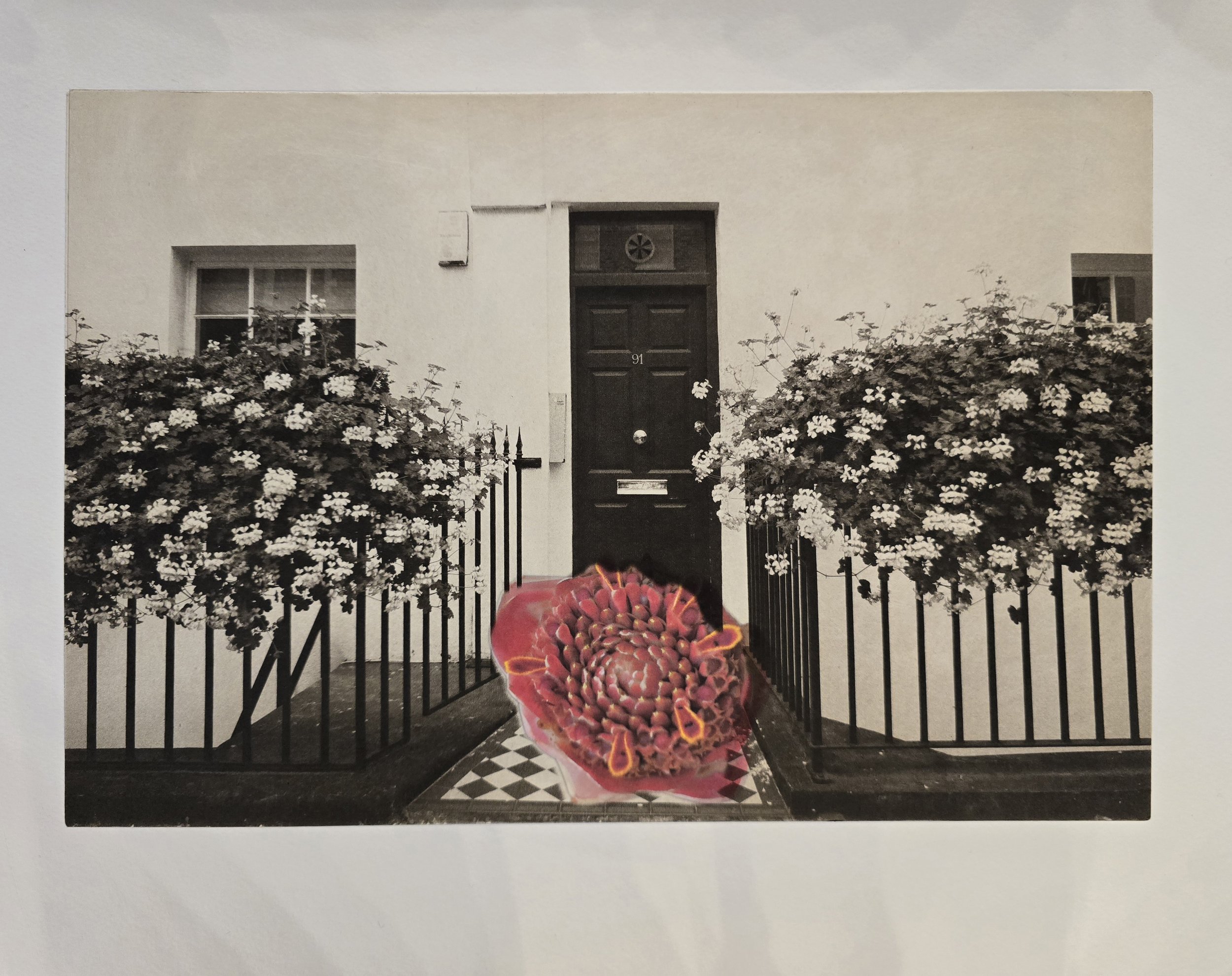
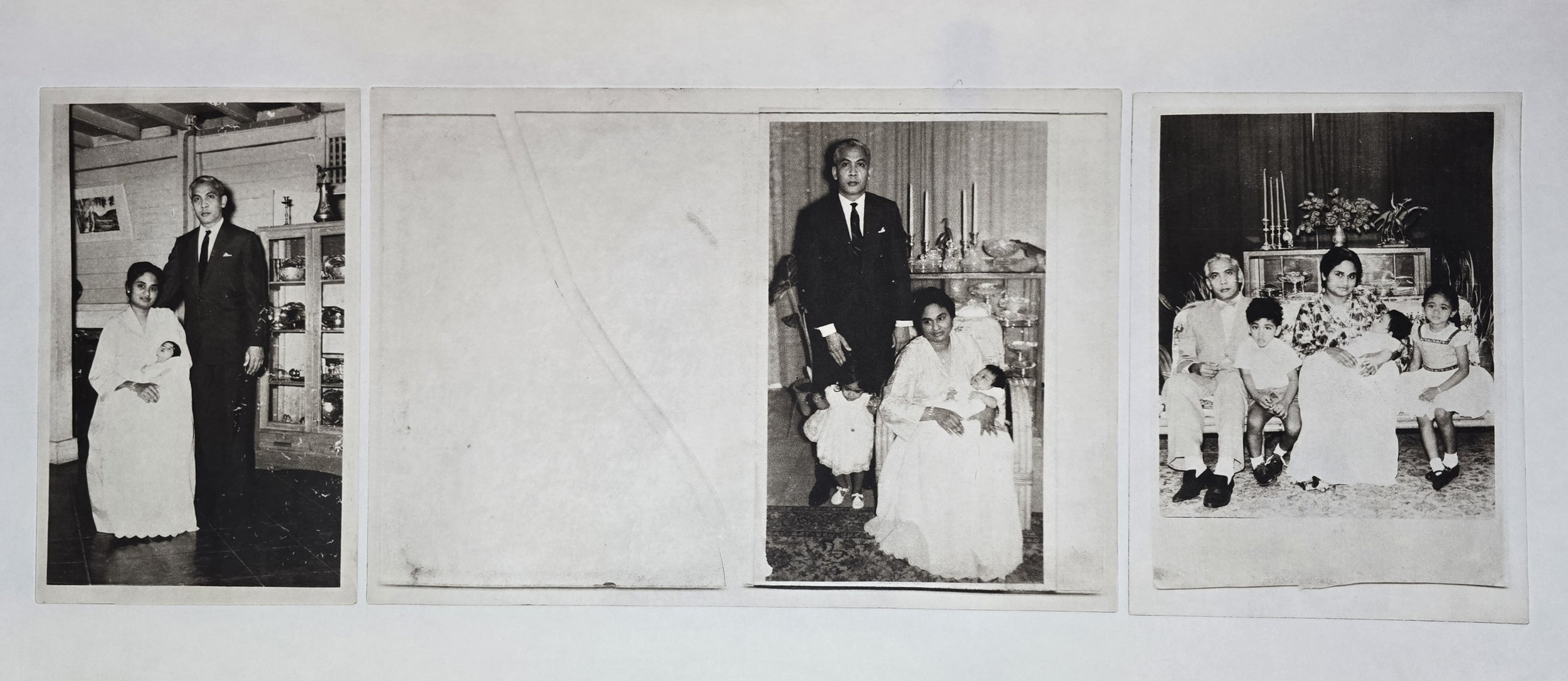
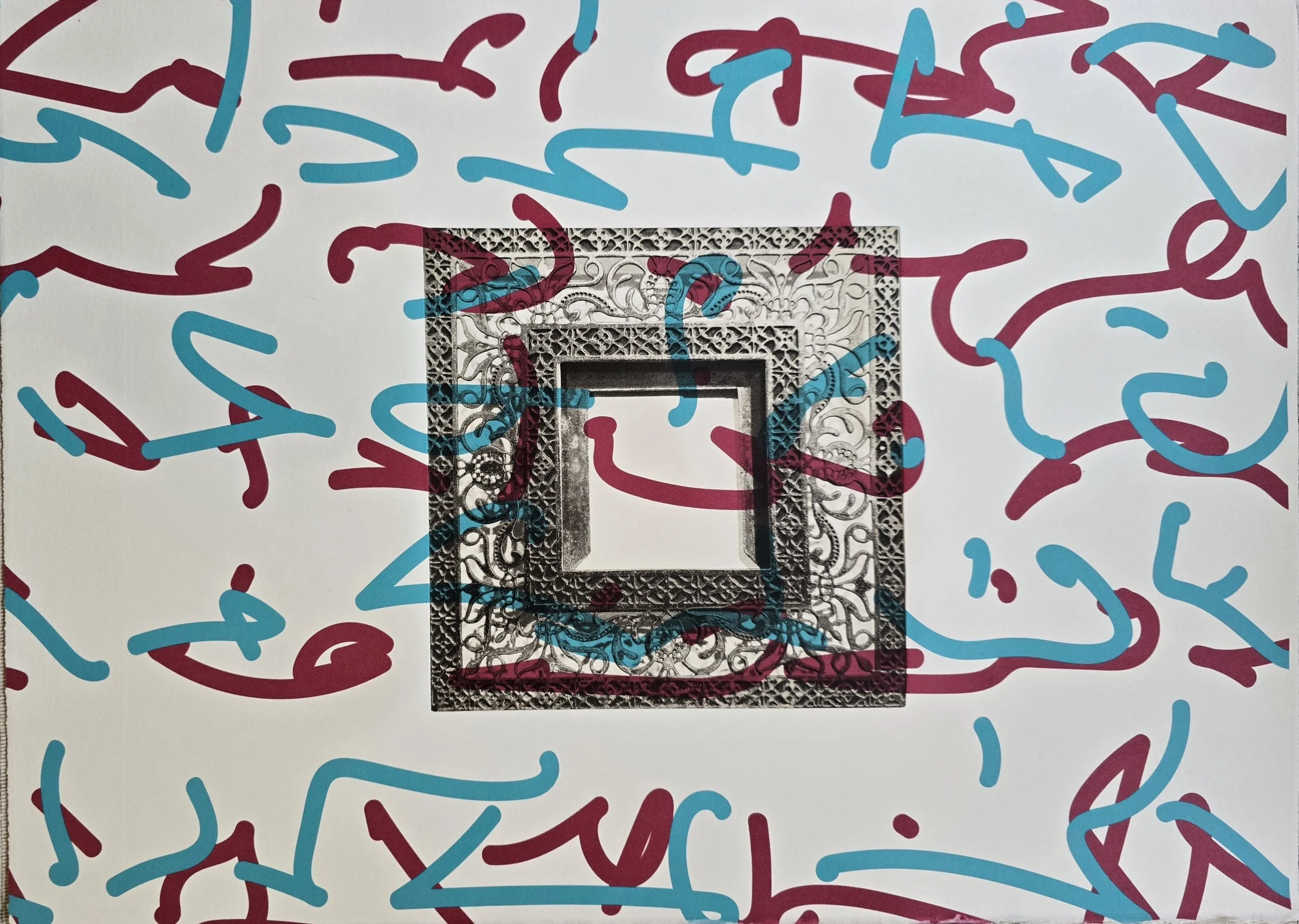
Hasta La Raíz has been developed through our Photographer in Residence program by artist Carmen Alcedo, presented with support from the Ana and Christopher Koch Foundation and Black and White Photographic. Through layered digital and analogue collage, Carmen creates atmospheric images referencing her personal experience of migration from Spain to Australia.
Kosh-Chenar has been developed through our Visual Arts Studio Residency program by artist Nadera Rasulova, presented with support from Drs Geoff Martin and Sorayya Mahmood Martin. Nadera draws on the cultural lineage of handwoven ikat, its motifs, colours, and tribal symbolism while reflecting both Australian and Central Asian landscapes.
The House of a Thousand Faces is a solo exhibition by multidisciplinary artist Christian Best. The first instalment in his series of photographic portraits, Christian introduces us to 36 of his planned 1000 portraits; each joyful personality captured is a contact or connection from Chris’ life and travels.
You can find Carmen’s exhibition in The Mill’s Gallery I, located at 154 Angas St, Kaurna Yarta (Adelaide).
Gallery I is open Monday-Friday, 10am-4pm.
Accessibility
The Mill’s entrance has a small step into the building. We have a ramp available, please ring the doorbell and our friendly team will assist you.
During gallery hours, our entrance will be unlocked. If the door is closed, please ring the doorbell to alert our team.
The Mill has concrete flooring throughout with no internal steps and a disability toilet on site.
Read more in-depth information on our accessibility web page.The Mill has concrete flooring throughout with no internal steps and a disability toilet on site.
We are excited to present Hasta La Raíz, a new exhibition by Carmen Alcedo developed through our Photographer in Residence program, presented with support from the Ana and Christopher Koch Foundation and Black and White Photographic.
Through layered digital and analogue collage, Carmen creates atmospheric images referencing her personal experience of migration from Spain to Australia. Archival images and elements from her hometown of Sevilla are layered with portraits of her grandparents, nieces and her younger self, and contrasted with photographs taken over her four years of living here in Australia. The opera house, iron rich red dirt and twisting branches of gum trees sit alongside images of her children in makeshift La Semana Santa costume; Carmen’s beloved nieces play under the watchful eye of a golden winged angel; petals open portals to connection and play.
Deeply complex, and brimming with symbolism and personal narrative Carmen’s new body of work invites us into an emotional reflection. What are the emotions that we feel when we think of home? What happens when the idea of home that we long for is no longer a physical place that we can visit? How does identity ebb and flow through our every day life? What anchors us in culture, identity and memory?
Carmen Alcedo is a Spanish-born freelance photographer based in Adelaide, South Australia, with a background as a lawyer. With over seven years of experience in professional photography, her work focuses on storytelling, capturing personal narratives and intimate moments through both portrait and documentary photography. Carmen’s artistic practice explores themes of identity, transformation, and human connection, often delving into how we relate to our environment and the people around us. She combines technical proficiency with emotional depth to create visual narratives that resonate with the viewer. Carmen’s exhibitions include Imaginary Journeys (SALA 2024), currently on display at Cherrybomb Cafe in Adelaide, and my participation in the group exhibition TEACHERS, LEAVE THE KIDS ALONE at 229LAB in Paris (2024), the Hybrid Art Fair (2016-2018) and the Affordable Art Fair in Sydney (2022). Currently, Carmen is involved in community-driven art projects in the Brompton Community Garden, where she collaborates with others to create work that fosters connection and environmental awareness.
Memory never returns as it was lived; it arrives transformed, layered with distance, imagination, and longing. What we love becomes shaped by absence, turning into a kind of fiction, a version charged with nostalgia and emotion. The fragile space between truth and imagination is where my practice unfolds.
This exhibition is about my personal experience of migration and the constant negotiation of identity it involves. The cultural clash of displacement leaves me feeling suspended, forcing me to question every day who I am, where I come from, and how to situate myself in a place that does not belong to me. From the most ordinary details to the most unexpected, everything fractures, creating an abyss where familiar anchors - culture, identity, memory - recede, demanding the reconstruction of a world from zero, yet built with all that you already are and all that you belong to.
Each photograph I create carries a deeply personal story through overlapping layers and collage. These layers include images I have taken since arriving in Australia four years ago in a really intuitive way, from the landscapes that surround me here to fragments of my grandmothers’ homes in Spain. Within them, I place the ache of moments never lived, the strangeness of cultural fragments, and the difficulty of transmitting my heritage to my children in a way that feels alive rather than imposed.
The process of making this body of work has been an exercise in giving voice to what I am, to what converges within me, and to honour the places, the people, and the culture I come from. Here, photography becomes not only a medium of documentation but also of transformation. By layering images, I attempt to bridge distances - between countries, generations, and languages - while also honouring what remains unbridgeable. My practice is a way of inhabiting those gaps with honesty, tenderness, and resilience.
You can find Nadera’s exhibition in The Mill’s Gallery II, located at 154 Angas St, Kaurna Yarta (Adelaide).
Gallery II is open Monday-Friday, 10am-4pm.
Accessibility
The Mill’s entrance has a small step into the building. We have a ramp available, please ring the doorbell and our friendly team will assist you.
During gallery hours, our entrance will be unlocked. If the door is closed, please ring the doorbell to alert our team.
The Mill has concrete flooring throughout with no internal steps and a disability toilet on site.
Read more in-depth information on our accessibility web page.The Mill has concrete flooring throughout with no internal steps and a disability toilet on site.
We are excited to present Kosh-Chenar,a new exhibition by Nadera Rasulova developed through our Visual Arts Studio Residency program, presented with support from Drs Geoff Martin and Sorayya Mahmood Martin.
The exhibition title refers to the Uzbek plane tree, a longstanding symbol of resilience and continuity in Central Asia. Nadera draws on the cultural lineage of handwoven ikat, its motifs, colours, and tribal symbolism while reflecting both Australian and Central Asian landscapes.
Through large-scale abstract oil paintings, she examines how visual traditions migrate, adapt, and settle in new contexts. Rather than reconstructing inherited narratives, Nadera charts the points where cultural memory, place, and personal experience converge. Her palette and mark-making evoke the tonal shifts of desert light, the rhythm of woven textiles, and the layered terrain of diasporic identity.
‘It’s a conversation between inherited culture and the land I live on; a meditation on memory, belonging, and identity,’ she notes. ‘Kosh-Chenar is an exploration of the spaces we inherit and the ones we forge. It reflects the quiet work of reconciling where you come from with where you are, and finding new ground between the two.’
An emerging abstract artist, Nadera Rasulova’s practice investigates the intersections of cultural memory, materiality and our relationship to changing environments. Drawing on her Uzbek cultural heritage and a life shaped by migration across Australia (particularly years spent living along the NSW coastline), she explores how identity is formed through movement, landscape, and inherited visual languages.
Her work is informed not only by the rhythms and motifs of handwoven Uzbek ikat, but also by her parallel career in climate resilience and sustainability. These experiences cultivate a sensitivity to ecological systems, impermanence, and the ways in which land holds memory. This awareness manifests in her layered, textured compositions, which often unfold as abstracted landscapes built through sweeping vertical gestures.
Nadera's paintings invite reflection on how place shapes the self: culturally, emotionally, and environmentally. Through abstraction, she opens spaces for viewers to consider the shifting ground between heritage and lived experience, and the entanglement of personal and planetary change.
Kosh-Chenar brings together the two worlds that have shaped me: the visual traditions of my Uzbek heritage and the landscapes and rhythms of my Australian upbringing. While my practice is rooted in oil painting, the influence of Uzbek ikat runs quietly through the work, not as a technique I reproduce, but as an underlying way of seeing. The ikat pattern’s soft edges, shifting repetitions and pulsing colour transitions help guide how each painting takes shape.
I build the surfaces through vertical, layered brushstrokes. This up-and-down movement forms a kind of painted terrain, where colour settles like sediment and then rises again through new layers. The result is a topographic sense of place, but one that feels internal as much as geographic, a map of memory, emotion and cultural inheritance. I think of these works as slow accumulations, where each layer holds part of a story, even if it is later covered or transformed.
Growing up in Australia, I absorbed the openness of the landscape: the long stretches of sky, the glare of afternoon heat, colours that sit somewhere between dust and light. These tones enter the work alongside the deeper, more saturated hues I associate with Central Asia. When the two meet on the canvas, they create moments of tension and harmony, soft transitions reminiscent of ikat dyeing but filtered through the sensibility of painting and the Australian environment.
The title Kosh-Chenar refers to the traditional pairing of two plane trees in Uzbek culture. They symbolise duality, resilience and the idea of belonging to more than one place at once. That idea sits at the heart of the exhibition. Each painting is a way of holding both lineages at the same time, not choosing between them but allowing them to coexist, overlap and influence one another.
In this body of work, I am interested in how identity forms gradually, through layers that are not always visible but still shape the whole. The paintings do not offer literal landscapes or clear narratives. Instead, they invite a slower kind of looking, a chance to sit with colour, texture and rhythm and to sense what emerges between them.
Kosh-Chenar is an exploration of the spaces we inherit and the ones we create. It is about the quiet work of piecing together where you come from and where you are, and finding new ground in between.
As an extension of these themes, I will be leading a workshop during the exhibition that invites participants to bring a textile or object of cultural, familial or personal significance. These items will act as starting points for creating abstract paintings through colour, pattern, texture or a more intuitive emotional response. The workshop reflects the intentions of Kosh-Chenar: to explore how the things we inherit carry stories, and how those stories can be reinterpreted and made new through the act of painting.
You can find Christian’s exhibition in The Mill’s Foyer, located at 154 Angas St, Kaurna Yarta (Adelaide).
The Mill is open Monday-Friday, 10am-4pm.
Accessibility
The Mill’s entrance has a small step into the building. We have a ramp available, please ring the doorbell and our friendly team will assist you.
During gallery hours, our entrance will be unlocked. If the door is closed, please ring the doorbell to alert our team.
The Mill has concrete flooring throughout with no internal steps and a disability toilet on site.
Read more in-depth information on our accessibility web page.The Mill has concrete flooring throughout with no internal steps and a disability toilet on site.
We are excited to present The House of a Thousand Faces, a new solo exhibition by multidisciplinary artist Christian Best. The first installment in his series of photographic portraits, Christian introduces us to 36 of his planned 1000 portraits; each joyful personality captured is a contact or connection from Chris’ life and travels.
In The House of a Thousand Faces we are greeted by street performers in Scotland, film crew in Fiji, housemates, friends, artists and collaborators. Each image is a point of connection with Chris, who visually shares stories about community and friendship from around the globe. Together the images create a multiplicity, within which there is beauty in the non-hierarchical. Every face represents a moment of generosity, the subject shares a smile or pose, as they hand trust to the photographer to capture their essence.
As the first iteration of an ongoing project, there is a sense of infinite possibility. Each portrait is framed in a hand made frame, a new skill acquired by Chris in the making of this exhibition.
Christian Best is a Kaurna based artist with unknown origins. For the past 6 years Chris has thrown himself into the arts with reckless abandon. His artistic practice is driven by gratitude and audacity and spans a multitude of different outlets.
Since arriving in Adelaide, Chris has spent time in the following roles: the face of South Australian tourism, a champion for under represented voices, an actor on stage and on screen, a writer in association with The State Theatre of South Australia, a consultant for developing artistic practices, a writer for Festival City Adelaide, a reviewer for the Fringe, a mentor for young writers through Soul Lounge, DREAM BIG, OzAsia, an english tutor to Australian immigrants, a poet for Red Room Poetry, a judge for the South Australian Library Awards, and a photographer documenting life and events in the surrounding area.
Chris is working on two large scale projects concurrently. As a founding member of the South Australian Puppetry Network, Chris is currently involved in the build of a 4-meter tall puppet with support from the Australian Migrant Resource Center. The puppet is being built in observance of 2026 as the Year of the Puppet.
At the same time, Chris is working to complete this project, The House of a Thousand Faces. This is the first of a multi series exhibition that will culminate in one immense exhibition featuring one thousand photos in one thousand handmade picture frames. In this endeavour he is in need of support. If you’re interested in helping, please reach out.
July 2024. I’d just been made redundant by a company whose employment was keeping me in the country on a work visa. Without any other options I sold all my belongings and prepared to leave. I boarded a one way flight with my camera and partner, Cat, to Scotland. For how long, I did not know.
The idea for The House of a Thousand Faces sprouted when I learned about a fun little loophole for Americans in Scotland that stipulates “from the day you land in the UK, you can work in the arts for up to 30 days without a visa”. The idea was that if I could find a venue willing to let me tape 1,000 portraits to their walls then I could charge for entry. That could allow me to eat for a little while, at least for the duration of the festival. The lovely people at the Joker and the Thief agreed but The House never happened and I ended up selling sausages for an English couple instead.
Fast forward 10 months, one juggling convention, three continents and five geriatric cats later, and I made it back home to Adelaide. I feel like I’ve been everywhere; like I’ve lived 20 years in one. While I was displaced I found myself clinging to things that I had control over. For almost a year that was exclusively my camera. And now here we are. What you see before you is the very first instalment in a series of what will be 1,000 portraits.
Each one of these pieces represents someone like you. Someone who decided, even for an instant, that it was ok for me to take up space. This is my monument to them, and to you, for hosting me as I continue to occupy your space for a little while.
We’re back with another jam-packed season for Adelaide Fringe 2026!
This year, we have everything from theatre and cabaret, through to film, comedy and exhibitions. We have a crowd favourite returning this year, along with an incredible line-up of shows from 13 incredible companies.
Make sure to throw your support behind these independent acts and grab your tickets!
You can find our Adelaide Fringe season at 154 Angas St, Kaurna Yarta (Adelaide).
Accessibility
The Mill’s entrance has a small step into the building. We have a ramp available, please let us know of your access needs when booking tickets and our friendly team will make sure they’re accommodated.
During our season, our entrance will be unlocked. If the door is closed, please ring the doorbell to alert our team.
The Mill has concrete flooring throughout with no internal steps and a disability toilet on site.
Grief isn’t part of the conversation. Especially not as a young person. No one knows what to say, so it’s simply left unsaid.
This premiere work from The CRAM Collective, explores the complex impact of the immediate and lingering effects of grief on young people. Melissa tells the story of the death of her mother, too many lasagnes brought over by neighbours and the continual search for something or someone out in the sky.
My Grandpa Doesn’t Follow Me On Instagram February 19-March 7
They drove from Cornwall to the Scottish Highlands – one grandparent, one grandchild, one unspoken truth.
Multi-award-winning storyteller, Yoz Mensch, weaves a darkly funny and haunting solo show about dingy hotel rooms, dog-eared maps, and the strained intimacy of travel.
Drawn from hundreds of real Instagram Stories posted during the trip, Yoz revisits what they shared with their grandpa – and the secrets they didn’t.
This work explores the natural fibres — once used for healing, weaving, storytelling, dance, painting and crafting. More than resources, these fibres hold story, culture and connection to Country.
Through touch, texture and movement, we follow the gestures of threading, knotting, interweaving and mending, drawing on their strength and care. Dance becomes a bridge between fibre and story, body and Country.
England-2020-Pontefract-Lockdown-2:20AM. A man fights for each breath, determined to make it home to Dot. In his isolated, morphine-fuelled delirium, we witness a frail man reliving his fragmented past: a boxer, a soldier, a boilermaker, a miner—dancing with Lady Luck as he battles to win. Dust is dedicated to the servicemen who fought for their country, the seven men who tragically lost their lives in the 1973 Lofthouse Colliery disaster, and to every miner who lived their life in darkness so we could live in the light.
The different worlds of Claire and Elisabeth collide as they navigate a series of weird and often terrifying events one fateful New Year's Eve in Sydney. Run-away Claire has fled her mother’s fury following the discovery of Claire’s relationship with Duncan, an older family friend. Elisabeth is on the streets to avoid the rage of her drug-addled boyfriend simply because she's taken his dog for a walk. Claire and Elisabeth are changed by the long night and each other. Midnight fireworks light the night sky. Happy new year.
DNA by Dennis Kelly is a gripping, fast-paced thriller about a group of teenagers whose cruel prank spirals into a shocking cover-up. Darkly funny and disturbingly real, the play exposes how peer pressure, fear, and the desperate need to belong can twist morality and silence truth. With sharp dialogue and relentless tension, DNA pulls the audience into a world where loyalty clashes with conscience, and survival means complicity.
A thespian and her keyboard leap out of the closet - it’s a metaphor and a stage direction. Featuring a catchy original score, sparkly doc martens, and too many niche anecdotes to count. Join Phoebe Rodger as she explores the euphoric highs, embarrassing lows, and awkward in-betweens of the lesbian experience. From hilarious cabaret bops, to witty parodies, to power ballads, there is something for everyone in this show! All are welcome. (Including homophobes, I’ll still take your money xx).
Have you ever been stuck on hold, listening to muzak on a loop while a robotic voice keeps telling you that your request is being processed? Yes, you have… and so does the protagonist of unclassifiable, Black Mirror–ish 'The Sensemaker' — until she is gradually pushed beyond her limits.
With razor-sharp humour and unsettling precision, this multi-award-winning solo-show stages a dystopian battle between a woman and an answering machine.
Explore a microscopic universe in this intimate and mesmerising work of nonverbal physical theatre. Join a jelly-like solo performer as they pluck creatures from evolutionary history, pushing, bending and twisting the laws of physics. The ordinary becomes extraordinary and the strange becomes familiar.
It's unclear where they got so many of these metal wonders, or for what purpose. With a fool’s brain, a dancer’s body and a determination reserved only for the truly idiotic, Fumble the Clown presents an unforgettable hour of culinary comedy. Simple, inventive and surprisingly heartfelt, this work brings its audience on a ride through the ridiculous imagination of a spoon-obsessed fool.
An experimental solo about consent and queer intimacy. Explored through a series of escalating invitations for performer and audience.
Naughty, playful, awkward, joyful, and surprisingly tender. A vulnerable act of trust, patience, and curiosity - navigated in real-time. An important conversation that never feels like one.
Say yes, say maybe, say not today. Nothing happens without your say-so. What does happen might surprise you.
One of the best reviewed shows of the Edinburgh Fringe 2025 comes to Adelaide. Middle-aged and newly single, The Cycling Man has spent the salary of a nurse on lycra and he's on the verge of a breakdown. Get to know this absurd and deeply flawed man as he gets to know himself.
Goofy drag king show from award-winning British character comedian Kathy Maniura, BBC New Comedian shortlisted, 2023 and Sketch Off winner, 2020.
His Mother calls her 30-year-old son her "Ray of sunshine" but beneath this child entertainer's cheerful facade lies a dark secret...
A one-man black comedy, featuring puppetry and upbeat songs. Ray, a children’s entertainer, starts to unravel as he deals with a personal tragedy. Attempting to process his grief, he begins confiding in his puppet, Emmett, who encourages him to tap into his dark side. As his cheerful facade begins to shatter in front of the kiddies, Ray must come to grips with something terrible in his past… Will he be able to keep it together when he embraces the truth?
Join artist Nadera Rasulova for an abstract painting workshop exploring inherited stories.
As an extension of Nadera’s exhibition Kosh-Chenar, she will be leading a workshop that invites participants to bring a textile or object of cultural, familial or personal significance. These items will act as starting points for creating abstract paintings through colour, pattern, texture or a more intuitive emotional response. The workshop reflects the intentions of Kosh-Chenar: to explore how the things we inherit carry stories, and how those stories can be reinterpreted and made new through the act of painting.
What to expect:
Seated within Nadera's exhibition, this two-hour workshop invites participants to explore abstract painting through memory, material, and intuition.
Working with a personally significant object or textile as a reference point, participants will be guided to translate story and emotion into colour, gesture, and texture - without the pressure of representation or a finished outcome. The focus is on process: layering, responding, obscuring, and revealing.
All materials are provided, including a canvas board and acrylic paints. Participants will take their artwork home on the day.
Guests are asked to bring one object or textile of cultural, familial, or personal significance.
Tea, coffee, and light refreshments will be available.
An emerging abstract artist, Nadera Rasulova’s practice investigates the intersections of cultural memory, materiality and our relationship to changing environments. Drawing on her Uzbek cultural heritage and a life shaped by migration across Australia (particularly years spent living along the NSW coastline), she explores how identity is formed through movement, landscape, and inherited visual languages.
Her work is informed not only by the rhythms and motifs of handwoven Uzbek ikat, but also by her parallel career in climate resilience and sustainability. These experiences cultivate a sensitivity to ecological systems, impermanence, and the ways in which land holds memory. This awareness manifests in her layered, textured compositions, which often unfold as abstracted landscapes built through sweeping vertical gestures.
Nadera's paintings invite reflection on how place shapes the self: culturally, emotionally, and environmentally. Through abstraction, she opens spaces for viewers to consider the shifting ground between heritage and lived experience, and the entanglement of personal and planetary change.
Kosh-Chenar brings together the two worlds that have shaped me: the visual traditions of my Uzbek heritage and the landscapes and rhythms of my Australian upbringing. While my practice is rooted in oil painting, the influence of Uzbek ikat runs quietly through the work, not as a technique I reproduce, but as an underlying way of seeing. The ikat pattern’s soft edges, shifting repetitions and pulsing colour transitions help guide how each painting takes shape.
I build the surfaces through vertical, layered brushstrokes. This up-and-down movement forms a kind of painted terrain, where colour settles like sediment and then rises again through new layers. The result is a topographic sense of place, but one that feels internal as much as geographic, a map of memory, emotion and cultural inheritance. I think of these works as slow accumulations, where each layer holds part of a story, even if it is later covered or transformed.
Growing up in Australia, I absorbed the openness of the landscape: the long stretches of sky, the glare of afternoon heat, colours that sit somewhere between dust and light. These tones enter the work alongside the deeper, more saturated hues I associate with Central Asia. When the two meet on the canvas, they create moments of tension and harmony, soft transitions reminiscent of ikat dyeing but filtered through the sensibility of painting and the Australian environment.
The title Kosh-Chenar refers to the traditional pairing of two plane trees in Uzbek culture. They symbolise duality, resilience and the idea of belonging to more than one place at once. That idea sits at the heart of the exhibition. Each painting is a way of holding both lineages at the same time, not choosing between them but allowing them to coexist, overlap and influence one another.
In this body of work, I am interested in how identity forms gradually, through layers that are not always visible but still shape the whole. The paintings do not offer literal landscapes or clear narratives. Instead, they invite a slower kind of looking, a chance to sit with colour, texture and rhythm and to sense what emerges between them.
Kosh-Chenar is an exploration of the spaces we inherit and the ones we create. It is about the quiet work of piecing together where you come from and where you are, and finding new ground in between.
As an extension of these themes, I will be leading a workshop during the exhibition that invites participants to bring a textile or object of cultural, familial or personal significance. These items will act as starting points for creating abstract paintings through colour, pattern, texture or a more intuitive emotional response. The workshop reflects the intentions of Kosh-Chenar: to explore how the things we inherit carry stories, and how those stories can be reinterpreted and made new through the act of painting.
Join exhibiting artist Nadera Rasulova in conversation with The Mill’s Visual Arts Curator Adele Sliuzas for a chat about her exhibition, Kosh-Chenar. Hear the artist speak about process, material and making work about belonging and place.
An emerging abstract artist, Nadera Rasulova’s practice investigates the intersections of cultural memory, materiality and our relationship to changing environments. Drawing on her Uzbek cultural heritage and a life shaped by migration across Australia (particularly years spent living along the NSW coastline), she explores how identity is formed through movement, landscape, and inherited visual languages.
Her work is informed not only by the rhythms and motifs of handwoven Uzbek ikat, but also by her parallel career in climate resilience and sustainability. These experiences cultivate a sensitivity to ecological systems, impermanence, and the ways in which land holds memory. This awareness manifests in her layered, textured compositions, which often unfold as abstracted landscapes built through sweeping vertical gestures.
Nadera's paintings invite reflection on how place shapes the self: culturally, emotionally, and environmentally. Through abstraction, she opens spaces for viewers to consider the shifting ground between heritage and lived experience, and the entanglement of personal and planetary change.
Kosh-Chenar brings together the two worlds that have shaped me: the visual traditions of my Uzbek heritage and the landscapes and rhythms of my Australian upbringing. While my practice is rooted in oil painting, the influence of Uzbek ikat runs quietly through the work, not as a technique I reproduce, but as an underlying way of seeing. The ikat pattern’s soft edges, shifting repetitions and pulsing colour transitions help guide how each painting takes shape.
I build the surfaces through vertical, layered brushstrokes. This up-and-down movement forms a kind of painted terrain, where colour settles like sediment and then rises again through new layers. The result is a topographic sense of place, but one that feels internal as much as geographic, a map of memory, emotion and cultural inheritance. I think of these works as slow accumulations, where each layer holds part of a story, even if it is later covered or transformed.
Growing up in Australia, I absorbed the openness of the landscape: the long stretches of sky, the glare of afternoon heat, colours that sit somewhere between dust and light. These tones enter the work alongside the deeper, more saturated hues I associate with Central Asia. When the two meet on the canvas, they create moments of tension and harmony, soft transitions reminiscent of ikat dyeing but filtered through the sensibility of painting and the Australian environment.
The title Kosh-Chenar refers to the traditional pairing of two plane trees in Uzbek culture. They symbolise duality, resilience and the idea of belonging to more than one place at once. That idea sits at the heart of the exhibition. Each painting is a way of holding both lineages at the same time, not choosing between them but allowing them to coexist, overlap and influence one another.
In this body of work, I am interested in how identity forms gradually, through layers that are not always visible but still shape the whole. The paintings do not offer literal landscapes or clear narratives. Instead, they invite a slower kind of looking, a chance to sit with colour, texture and rhythm and to sense what emerges between them.
Kosh-Chenar is an exploration of the spaces we inherit and the ones we create. It is about the quiet work of piecing together where you come from and where you are, and finding new ground in between.
As an extension of these themes, I will be leading a workshop during the exhibition that invites participants to bring a textile or object of cultural, familial or personal significance. These items will act as starting points for creating abstract paintings through colour, pattern, texture or a more intuitive emotional response. The workshop reflects the intentions of Kosh-Chenar: to explore how the things we inherit carry stories, and how those stories can be reinterpreted and made new through the act of painting.
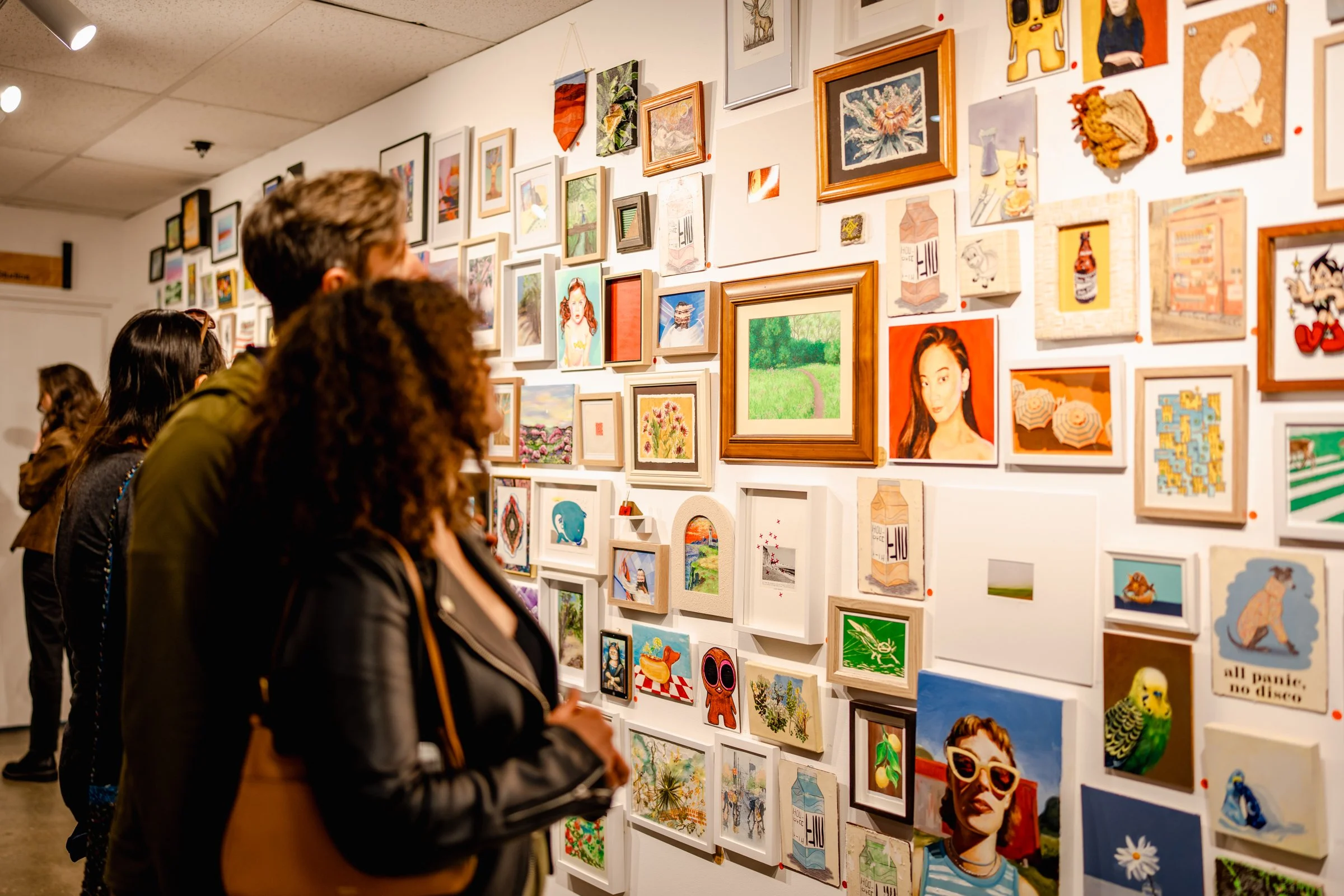
We are excited to present the third iteration of CHARTS, the Community Housing Art Awards. We love having this exhibition in our galleries, and congratulate all of the artists involved.
The Community Housing Art Awards (CHARTS) were created to celebrate and showcase the creative diversity, depth and talent of tenants in community and social housing. This is the third CHARTS Awards event, the first in 2021, and another event in 2023, held here at The Mill.
This year’s CHARTS has been a collaborative effort between Community Housing Industry Association SA and 9 Community Housing Providers: Access2Place, Believe Housing Australia, Common Equity Housing SA, Community Housing LTD, Junction Australia, Unity Housing Company, Uniting SA Housing, Westside Housing, YourPlace Housing.
Community Housing Providers are not-for-profit organisations that provide affordable, stable, secure, and safe housing to people living on low to moderate incomes, facing disadvantage and/or with specific needs.
CHARTS is an event that has been open to all tenants of these Community Housing Providers and incorporates four award categories: 2D/Painting/Drawing; 3D/Sculpture Art/Textiles/Craft; Photography/Digital; Poetry and Literature, with 15 awards being given out, including the People’s Choice Awards, Artist Living with A Disability and First Nations Artist.
We hope CHARTS helps tenants find a sense of belonging – we know art brings people together, and by displaying tenants’ artwork in this exhibition at The Mill, and by making it accessible to the public, we hope it inspires engagement and a feeling of belonging to the community.
Where: The Breakout at The Mill, 154 Angas St, Kaurna Yarta
Cost: $10 (+ booking fee)
Note: Please arrive 15 minutes early to grab a drink. This event will be 1 hour (including a Q&A).
This showing and Q&A will be held in The Breakout. Please come to The Mill at 154 Angas Street, the bar will be open to grab a drink before we take you through to The Breakout.
Please arrive 15 minutes early to get a drink.
This event will be 1 hour (including the Q&A).
Accessibility
The Mill’s entrance has a small step into the building. We have a ramp available, please ring the doorbell and our friendly team will assist you.
The entrance into The Breakout is wheelchair accessible, with no internal steps.
The Mill has concrete flooring throughout with no internal steps and a disability toilet on site.
If you have questions or would like to talk to one of The Mill team contact info@themilladelaide.com
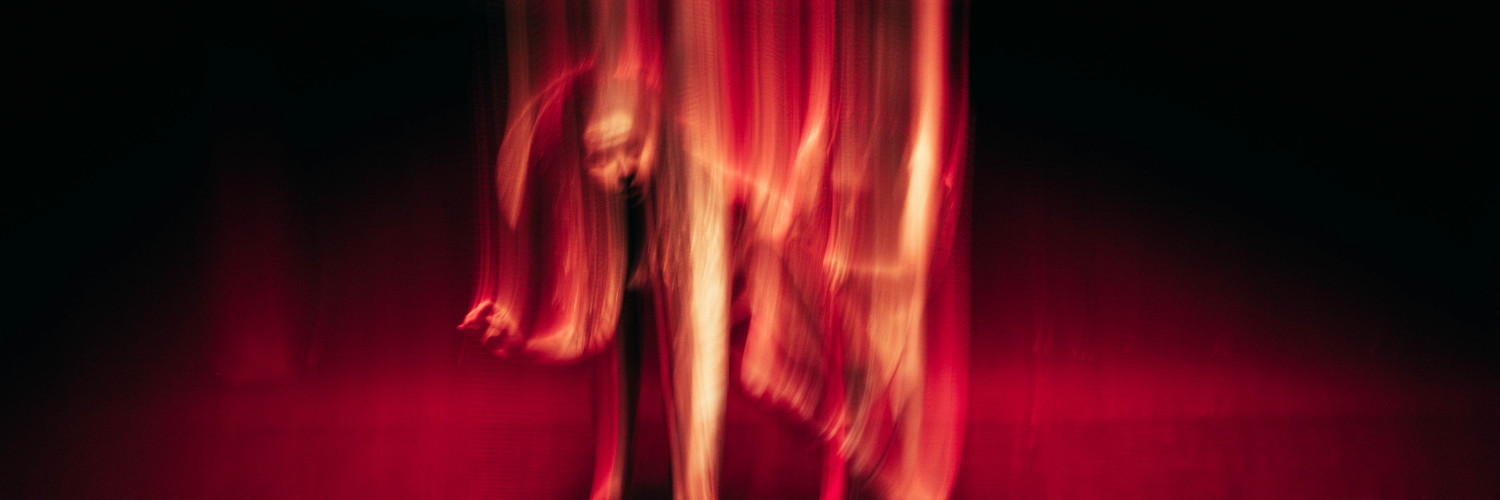
Join us for an intimate private work-in-progress showing of Fibres, the latest creation by WAYIN:THI, choreographed by Kaine Sultan-Babij with support from Caleena Sansbury - The Mill’s First Nations Co-Leads and Coordinators.
Fibres weaves together movement, story and culture, drawing inspiration from the natural materials once used for healing, weaving, dance and art. Through gesture, texture and rhythm, this work threads connection between body and Country - honouring the strength, care and memory held within every fibre.
Come witness this powerful new work as it takes shape - raw, resonant, and full of life.
Please RSVP before Thursday, December 11.
Fibres is being developed as part of our Centre Stage Residency, in collaboration with Adelaide Fringe, and will be presented as part of our 2026 Adelaide Fringe program.
The showing will be followed by a short Q&A with WAYIN:THI, hosted by The Mill CEO / Artistic Director Katrina Lazaroff. Audiences will have the opportunity to ask questions about the development and provide feedback about the performance.
About the artists:
Arrernte and Gurindji Contemporary Dance Artist, Kaine Sultan-Babij, is making a lasting impact on the world of dance and drag.
With a background that includes performing with Leigh Warren and Dancers, Bangarra Dance Theatre, and the Australian Dance Theatre, Kaine has skilfully blended Contemporary Dance and Contemporary Indigenous Dance. Based in Kaurna Country, Kaine stands as an Independent Dancer and Choreographer, contributing to the vibrant Australian performing arts scene.
Beyond Kaine's achievements in the dance world, the emergence of Estelle, a captivating Drag Performer and Persona, has added another layer to their artistic repertoire. Estelle quickly gained recognition, establishing herself as a standout performer in the Adelaide Drag Scene. Through electrifying performances, Estelle has earned a respected place in the realm of drag.
Together, Kaine and Estelle embody a powerful fusion of Tradition, creativity, and contemporary expression, making a lasting impression on the dance and drag communities in Australia.
Caleena Sansbury is a prominent First Nations artist whose diverse background and extensive experience have established her as a leading figure in the arts. Her heritage, encompassing Ngarrindjeri, Narungga, and Kaurna cultures, deeply influences her work and perspective.
A graduate of NAISDA Dance College, Caleena’s career spans various disciplines including performance, choreography, and program coordination. She has showcased her talents on both national and international stages, working with respected artists and companies.
Her notable collaborations include:
Vicki Van Hout on productions like Long Grass and Les Festivities Lubrufier.
Thomas E. S. Kelly on the performance work [MIS]CONCEIVE.
Karul Projects on the piece SSHIFT.
Caleena’s experience extends to children's theatre, where she has performed in shows produced by InSite Arts such as Saltbush and Our Corka Bubs, and with Polyglot Theatre in Tangled. Her work demonstrates a deep understanding of both dance and theatre, particularly in contexts involving young audiences.
In addition to her performance career, she has contributed to theatre as an actor in Legs On the Wall’s The Man With The Iron Neck and has showcased her organizational skills as a producer for the Melbourne Fringe in 2018. She has also toured South Australia with Taree Sansbury’s Mi:wi 2019, and performed in Jacob Boheme’s dance work Gurranda in 2024. Caleena continues to perform and practice dance in and throughout South Australia.
Currently, Caleena is a Program Coordinator at The Mill, an award-winning multi-disciplinary arts organisation. Her role at The Mill continues to reflect her commitment to fostering a vibrant and dynamic First Nations arts community.