coming up

galleries, public program

Exhibition: Carmen Alcedo, Hasta La Raíz (Until the Root)

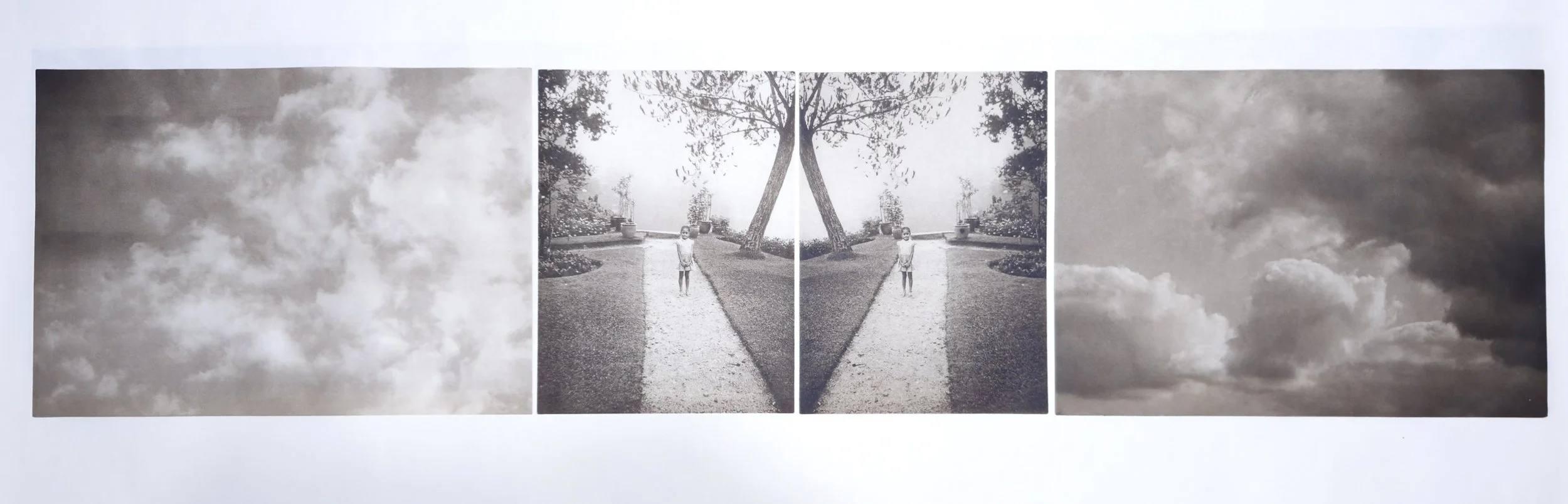
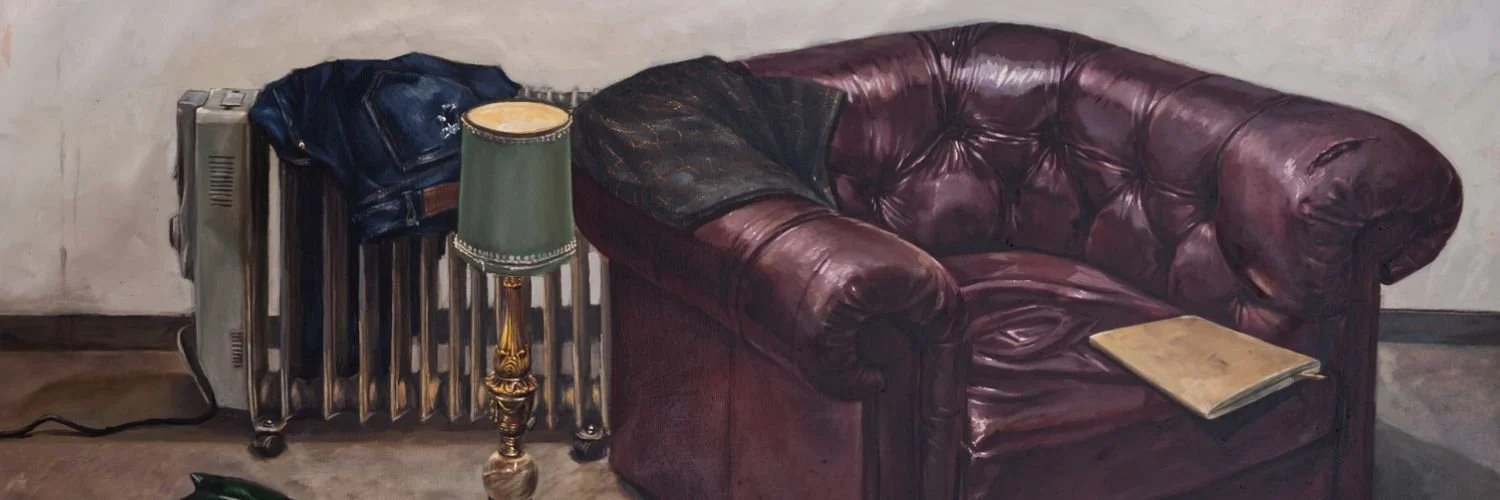
Image: Carmen Alcedo, Poner el mundo boca abajo (detail), 2025, courtesy of the artist

January 27 - March 20, 2026

Opening tickets

Opening event: Friday, February 6, 5:30-7:30pm

list of works

Gallery I, 154 Angas St, Kaurna Yarta

Free entry, all welcome

  • You can find Carmen’s exhibition in The Mill’s Gallery I, located at 154 Angas St, Kaurna Yarta (Adelaide).

    Gallery I is open Monday-Friday, 10am-4pm.

    Accessibility

    The Mill’s entrance has a small step into the building. We have a ramp available, please ring the doorbell and our friendly team will assist you.

    During gallery hours, our entrance will be unlocked. If the door is closed, please ring the doorbell to alert our team.

    The Mill has concrete flooring throughout with no internal steps and a disability toilet on site.

    Read more in-depth information on our accessibility web page.The Mill has concrete flooring throughout with no internal steps and a disability toilet on site.

    Read more in-depth information on our accessibility web page.

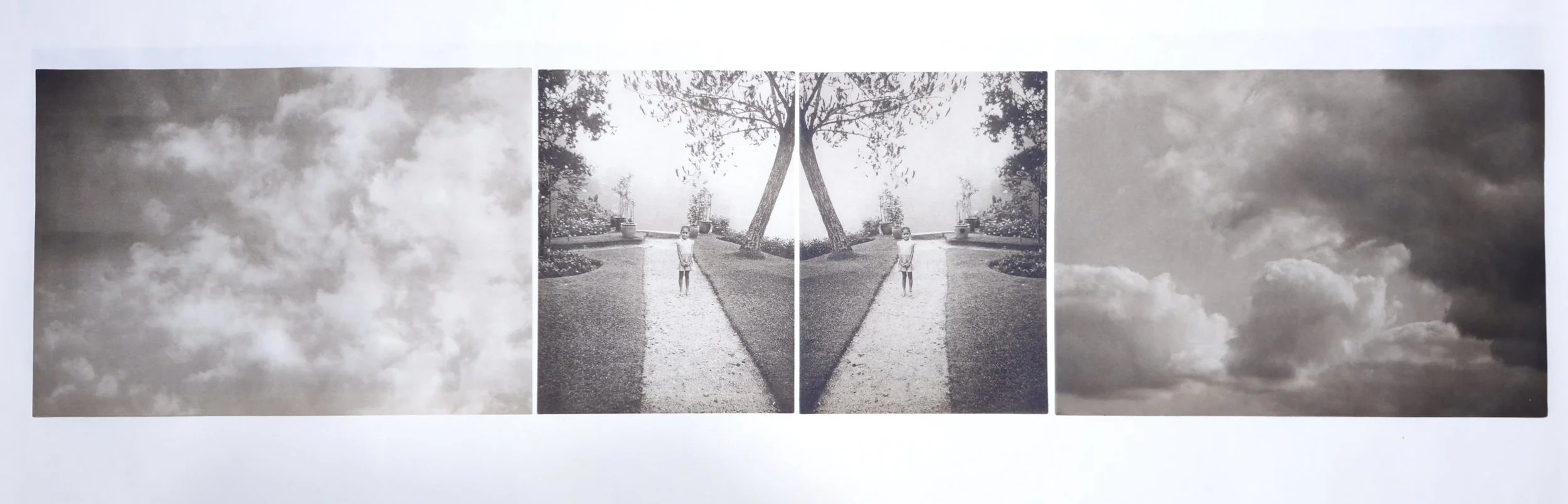
We are excited to present Hasta La Raíz, a new exhibition by Carmen Alcedo developed through our Photographer in Residence program, presented with support from the Ana and Christopher Koch Foundation and Black and White Photographic.

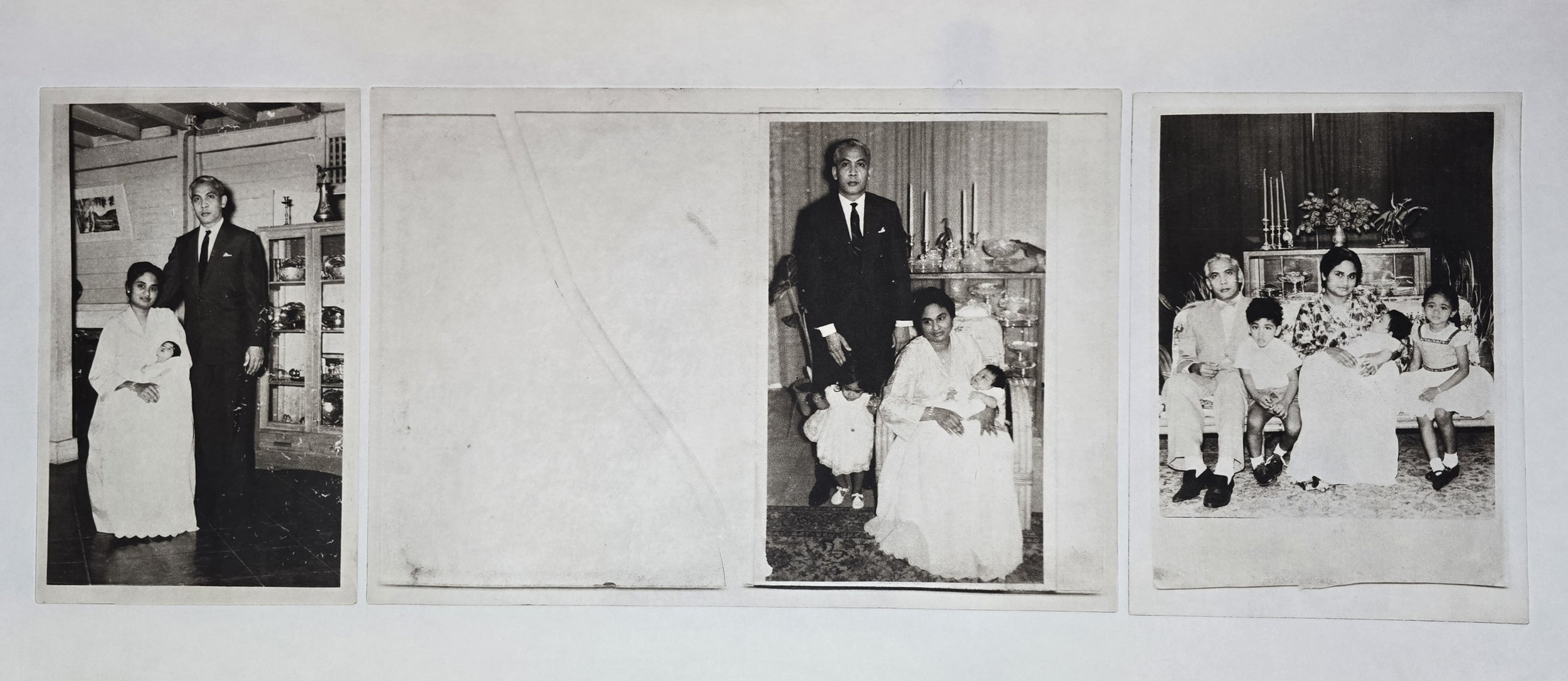
Through layered digital and analogue collage, Carmen creates atmospheric images referencing her personal experience of migration from Spain to Australia. Textured walls from her hometown of Sevilla, are combined with family portraits of her grandparents, nieces and her younger self, and contrasted with photographs taken here in Australia. The opera house, iron rich red dirt and twisting branches of gum trees sit alongside images of her children in makeshift La Semana Santa costume; Carmen’s beloved nieces play under the watchful eye of a golden winged angel; petals open portals to connection and play.

Deeply complex, and brimming with symbolisim and personal narrative Carmen’s new body of work invites us into an emotional reflection. What are the emotions that we feel when we think of home? What happens when the idea of home that we long for is no longer a physical place that we can visit? How does identity ebb and flow through our every day life? What anchors us in culture, identity and memory?

  • Carmen Alcedo is a Spanish-born freelance photographer based in Adelaide, South Australia, with a background as a lawyer. With over seven years of experience in professional photography, her work focuses on storytelling, capturing personal narratives and intimate moments through both portrait and documentary photography. Carmen’s artistic practice explores themes of identity, transformation, and human connection, often delving into how we relate to our environment and the people around us. She combines technical proficiency with emotional depth to create visual narratives that resonate with the viewer. Carmen’s exhibitions include Imaginary Journeys (SALA 2024), currently on display at Cherrybomb Cafe in Adelaide, and my participation in the group exhibition TEACHERS, LEAVE THE KIDS ALONE at 229LAB in Paris (2024), the Hybrid Art Fair (2016-2018) and the Affordable Art Fair in Sydney (2022). Currently, Carmen is involved in community-driven art projects in the Brompton Community Garden, where she collaborates with others to create work that fosters connection and environmental awareness.

  • Memory never returns as it was lived; it arrives transformed, layered with distance, imagination, and longing. What we love becomes shaped by absence, turning into a kind of fiction, a version charged with nostalgia and emotion. The fragile space between truth and imagination is where my practice unfolds.

    This exhibition is about my personal experience of migration and the constant negotiation of identity it involves. The cultural clash of displacement leaves me feeling suspended, forcing me to question every day who I am, where I come from, and how to situate myself in a place that does not belong to me. From the most ordinary details to the most unexpected, everything fractures, creating an abyss where familiar anchors - culture, identity, memory - recede, demanding the reconstruction of a world from zero, yet built with all that you already are and all that you belong to.

    Each photograph I create carries a deeply personal story through overlapping layers and collage. These layers include images I have taken since arriving in Australia four years ago in a really intuitive way, from the landscapes that surround me here to fragments of my grandmothers’ homes in Spain. Within them, I place the ache of moments never lived, the strangeness of cultural fragments, and the difficulty of transmitting my heritage to my children in a way that feels alive rather than imposed.

    The process of making this body of work has been an exercise in giving voice to what I am, to what converges within me, and to honour the places, the people, and the culture I come from. Here, photography becomes not only a medium of documentation but also of transformation. By layering images, I attempt to bridge distances - between countries, generations, and languages - while also honouring what remains unbridgeable. My practice is a way of inhabiting those gaps with honesty, tenderness, and resilience.


This exhibition has support from

galleries, public program

Exhibition: Nadera Rasulova, Kosh-Chenar

Image: courtesy of the artist

January 27 - March 20, 2026

Opening tickets

Opening event: Friday, February 6, 5:30-7:30pm

list of works

Gallery II, 154 Angas St, Kaurna Yarta

Free entry, all welcome

  • You can find Nadera’s exhibition in The Mill’s Gallery II, located at 154 Angas St, Kaurna Yarta (Adelaide).

    Gallery II is open Monday-Friday, 10am-4pm.

    Accessibility

    The Mill’s entrance has a small step into the building. We have a ramp available, please ring the doorbell and our friendly team will assist you.

    During gallery hours, our entrance will be unlocked. If the door is closed, please ring the doorbell to alert our team.

    The Mill has concrete flooring throughout with no internal steps and a disability toilet on site.

    Read more in-depth information on our accessibility web page.The Mill has concrete flooring throughout with no internal steps and a disability toilet on site.

    Read more in-depth information on our accessibility web page.

We are excited to present Kosh-Chenar, a new exhibition by Nadera Rasulova developed through our Visual Arts Studio Residency program, presented with support from Drs Geoff Martin and Sorayya Mahmood Martin.

The exhibition title refers to the Uzbek plane tree, a longstanding symbol of resilience and continuity in Central Asia. Nadera draws on the cultural lineage of handwoven ikat, its motifs, colours, and tribal symbolism while reflecting both Australian and Central Asian landscapes.

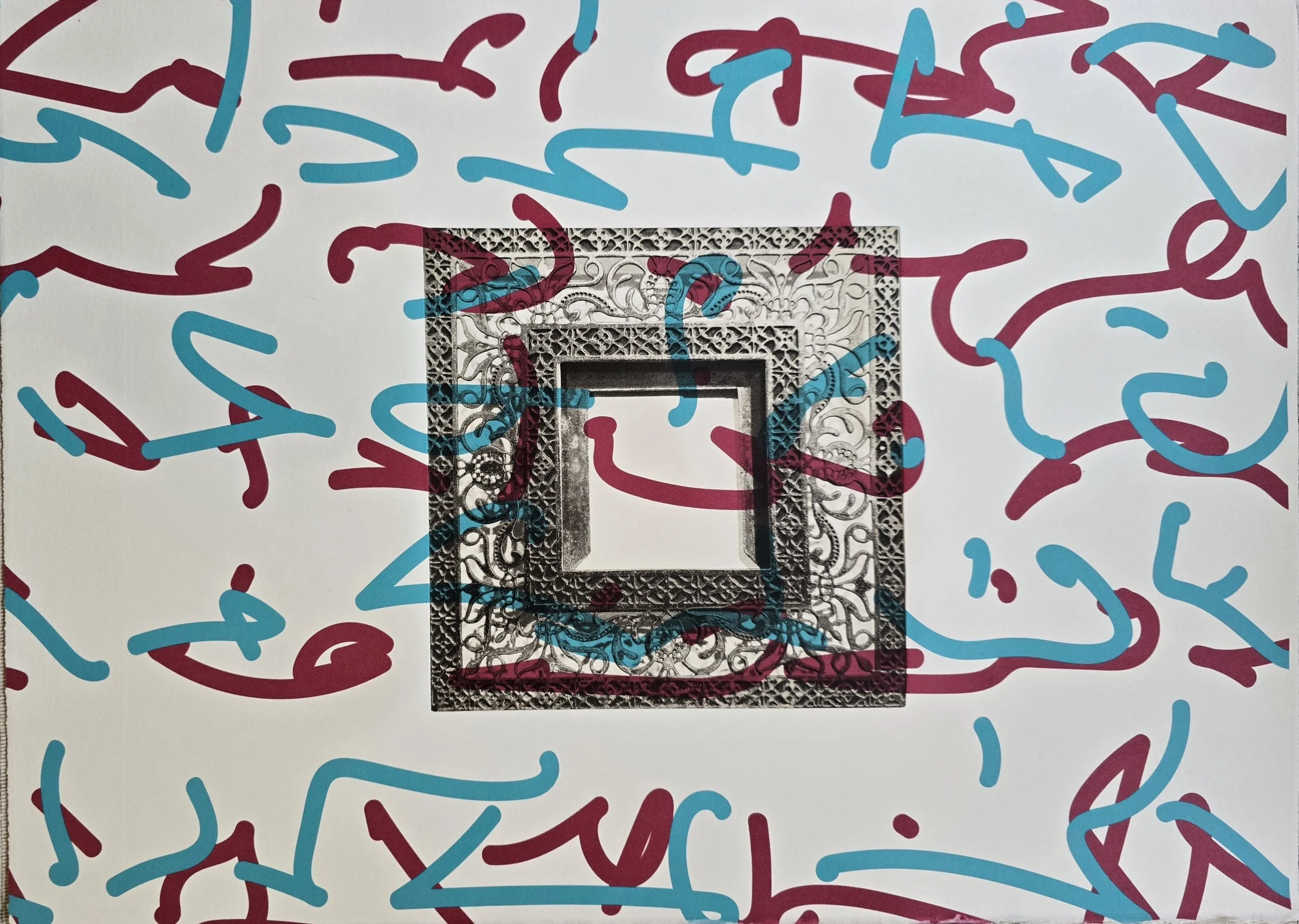
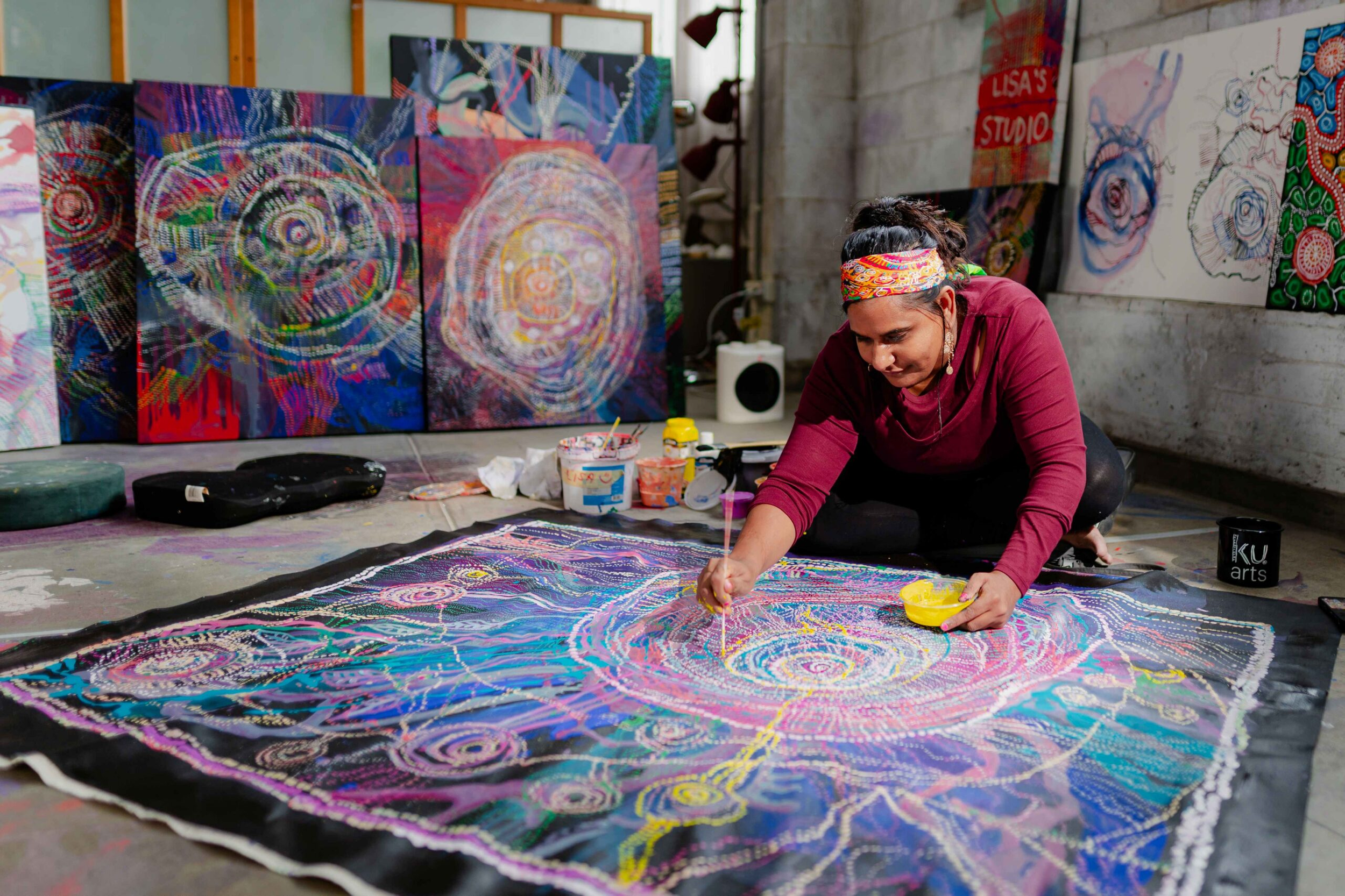
Through large-scale abstract oil paintings, she examines how visual traditions migrate, adapt, and settle in new contexts. Rather than reconstructing inherited narratives, Nadera charts the points where cultural memory, place, and personal experience converge. Her palette and mark-making evoke the tonal shifts of desert light, the rhythm of woven textiles, and the layered terrain of diasporic identity.

‘It’s a conversation between inherited culture and the land I live on; a meditation on memory, belonging, and identity,’ she notes. ‘Kosh-Chenar is an exploration of the spaces we inherit and the ones we forge. It reflects the quiet work of reconciling where you come from with where you are, and finding new ground between the two.’

  • An emerging abstract artist, Nadera Rasulova’s practice investigates the intersections of cultural memory, materiality and our relationship to changing environments. Drawing on her Uzbek cultural heritage and a life shaped by migration across Australia (particularly years spent living along the NSW coastline), she explores how identity is formed through movement, landscape, and inherited visual languages.

    Her work is informed not only by the rhythms and motifs of handwoven Uzbek ikat, but also by her parallel career in climate resilience and sustainability. These experiences cultivate a sensitivity to ecological systems, impermanence, and the ways in which land holds memory. This awareness manifests in her layered, textured compositions, which often unfold as abstracted landscapes built through sweeping vertical gestures.

    Nadera's paintings invite reflection on how place shapes the self: culturally, emotionally, and environmentally. Through abstraction, she opens spaces for viewers to consider the shifting ground between heritage and lived experience, and the entanglement of personal and planetary change.

  • Kosh-Chenar brings together the two worlds that have shaped me: the visual traditions of my Uzbek heritage and the landscapes and rhythms of my Australian upbringing. While my practice is rooted in oil painting, the influence of Uzbek ikat runs quietly through the work, not as a technique I reproduce, but as an underlying way of seeing. The ikat pattern’s soft edges, shifting repetitions and pulsing colour transitions help guide how each painting takes shape.

    I build the surfaces through vertical, layered brushstrokes. This up-and-down movement forms a kind of painted terrain, where colour settles like sediment and then rises again through new layers. The result is a topographic sense of place, but one that feels internal as much as geographic, a map of memory, emotion and cultural inheritance. I think of these works as slow accumulations, where each layer holds part of a story, even if it is later covered or transformed.

    Growing up in Australia, I absorbed the openness of the landscape: the long stretches of sky, the glare of afternoon heat, colours that sit somewhere between dust and light. These tones enter the work alongside the deeper, more saturated hues I associate with Central Asia. When the two meet on the canvas, they create moments of tension and harmony, soft transitions reminiscent of ikat dyeing but filtered through the sensibility of painting and the Australian environment.

    The title Kosh-Chenar refers to the traditional pairing of two plane trees in Uzbek culture. They symbolise duality, resilience and the idea of belonging to more than one place at once. That idea sits at the heart of the exhibition. Each painting is a way of holding both lineages at the same time, not choosing between them but allowing them to coexist, overlap and influence one another.

    In this body of work, I am interested in how identity forms gradually, through layers that are not always visible but still shape the whole. The paintings do not offer literal landscapes or clear narratives. Instead, they invite a slower kind of looking, a chance to sit with colour, texture and rhythm and to sense what emerges between them.

    Kosh-Chenar is an exploration of the spaces we inherit and the ones we create. It is about the quiet work of piecing together where you come from and where you are, and finding new ground in between.

    As an extension of these themes, I will be leading a workshop during the exhibition that invites participants to bring a textile or object of cultural, familial or personal significance. These items will act as starting points for creating abstract paintings through colour, pattern, texture or a more intuitive emotional response. The workshop reflects the intentions of Kosh-Chenar: to explore how the things we inherit carry stories, and how those stories can be reinterpreted and made new through the act of painting.


This exhibition has support from


public program

Studio Tours

Photo: Bri Hammond.

June - November, 2025

register tickets

Fortnightly tours alternating Tuesdays, 11am, and Fridays, 4:30pm

groups 6+ inquiry

The Mill Foyer, 154 Angas St, Kaurna Yarta

45 minutes duration

Free entry, all welcome

  • The Mill’s monthly Studio Tours will begin in the Foyer at 154 Angas St, Kaurna Yarta.

    Accessibility

    The Mill’s entrance has a small step into the building. We have a ramp available, please ring the doorbell and our friendly team will assist you.

    During gallery hours, our entrance will be unlocked. If the door is closed, please ring the doorbell to alert our team.

    The Mill has concrete flooring throughout with no internal steps and a disability toilet on site.

    Read more in-depth information on our accessibility web page.

    The Mill has concrete flooring throughout with no internal steps and a disability toilet on site.

    Read more in-depth information on our accessibility web page.

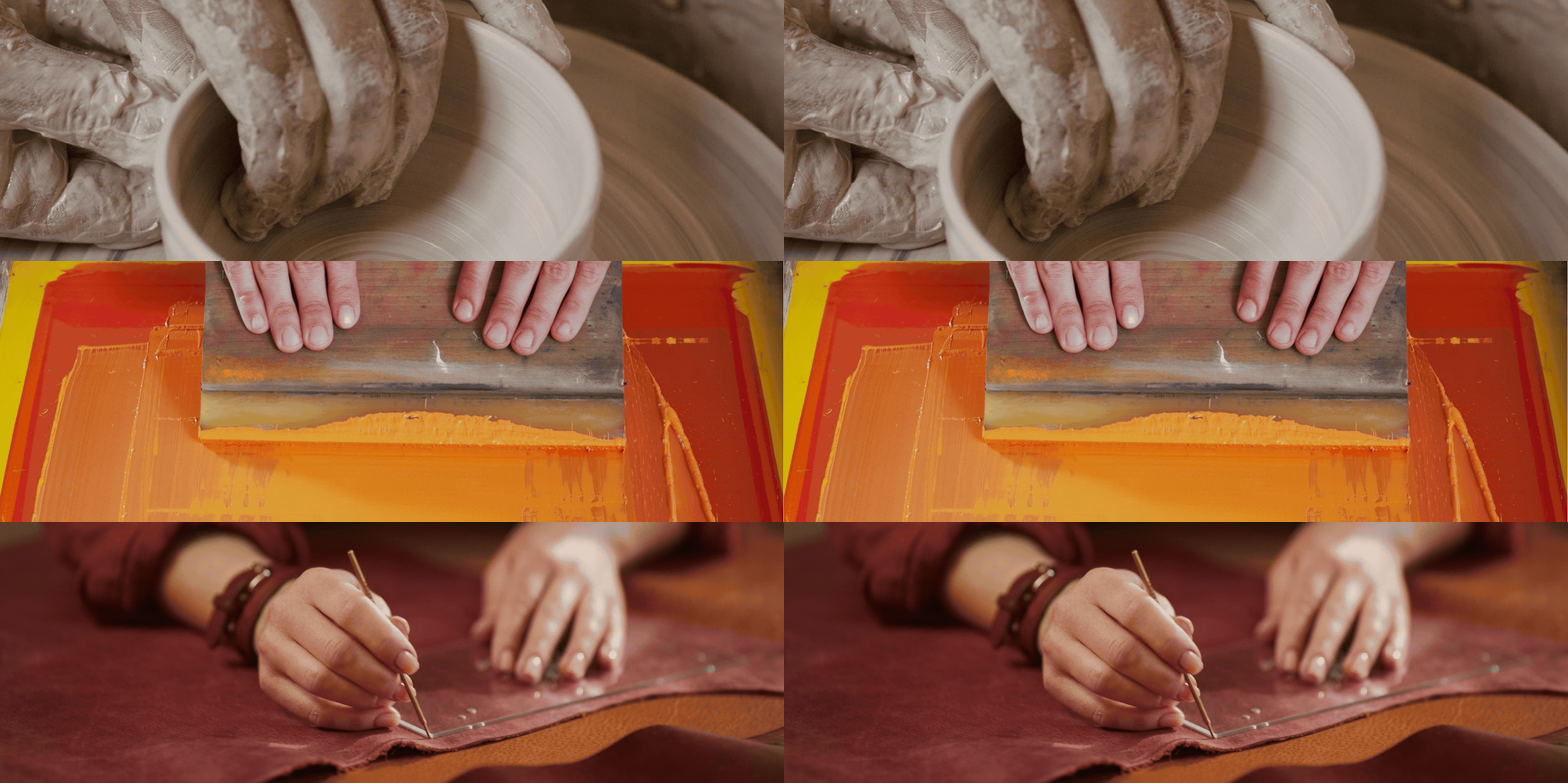
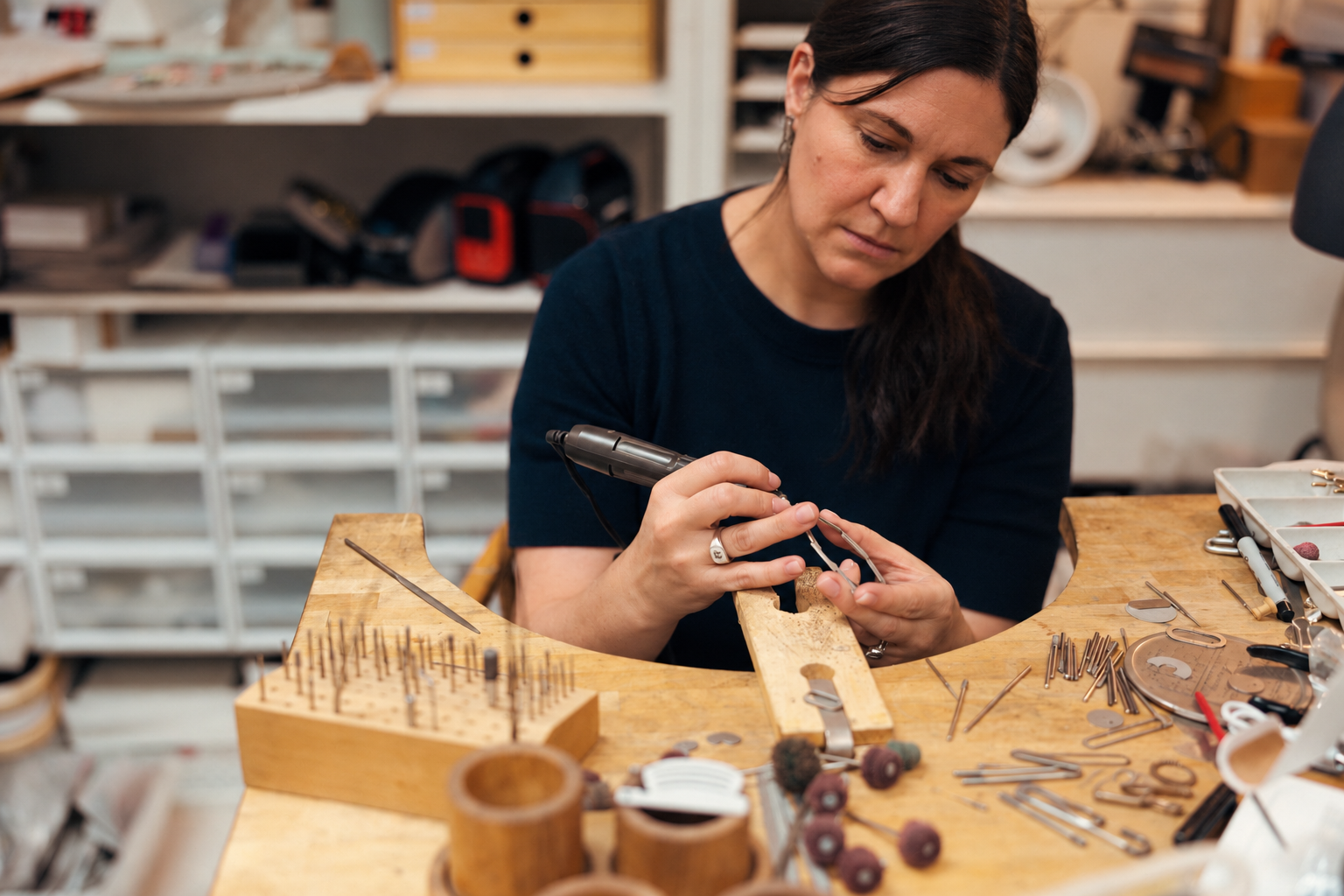
We’re excited to announce fortnightly studio tours at The Mill, taking you behind the scenes of our 70+ studio resident community.

Starting this June, we’ll be opening our doors for fortnightly tours on alternating Tuesdays and Fridays; inviting audiences to explore our studios and engage with our community.

Whether you're an art lover, a curious wanderer, or just keen to see creativity in motion, these tours promise inspiration and new connections at every turn.

Social clubs, community organisations and groups of 6+ can register for private tours by emailing info@themilladelaide.com.