
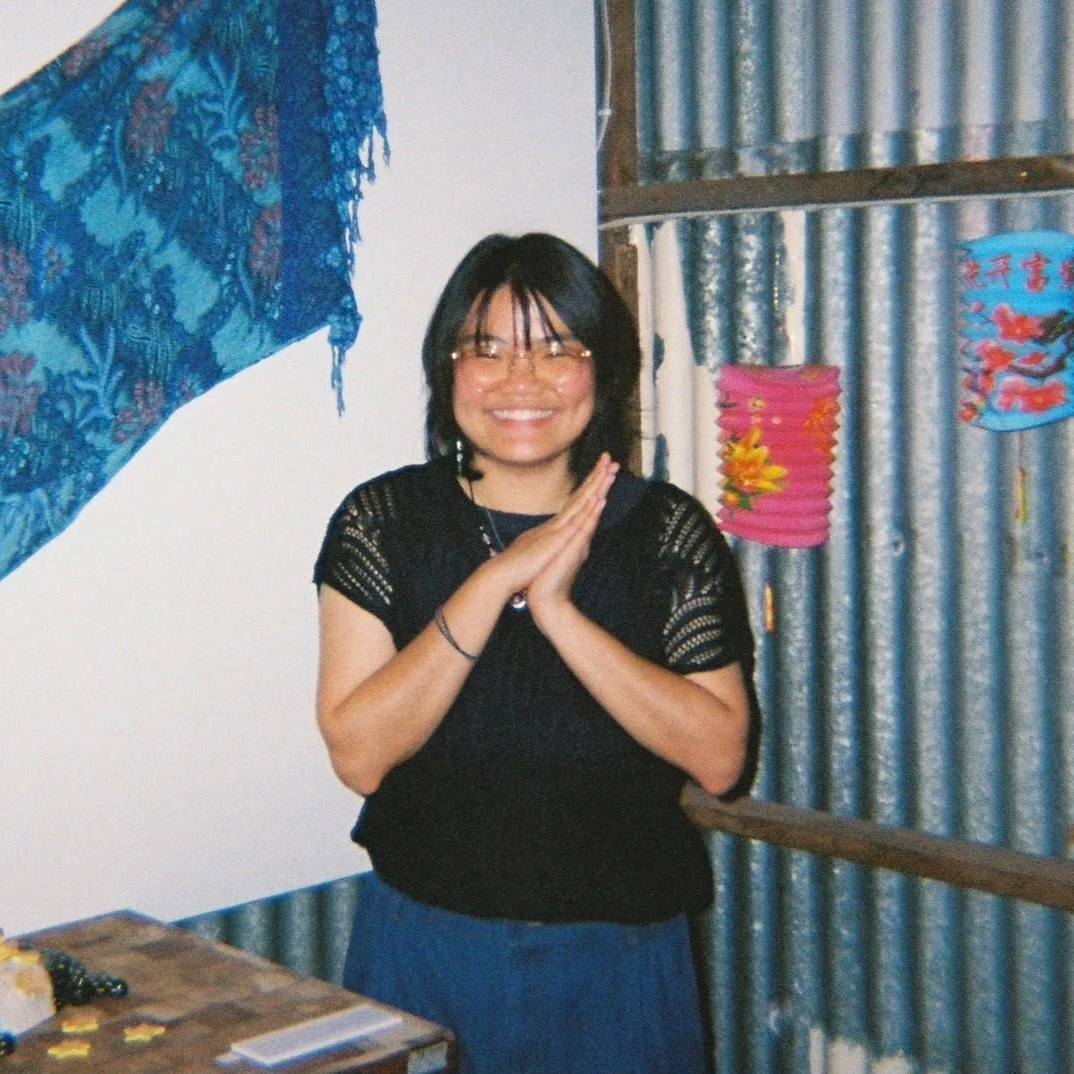
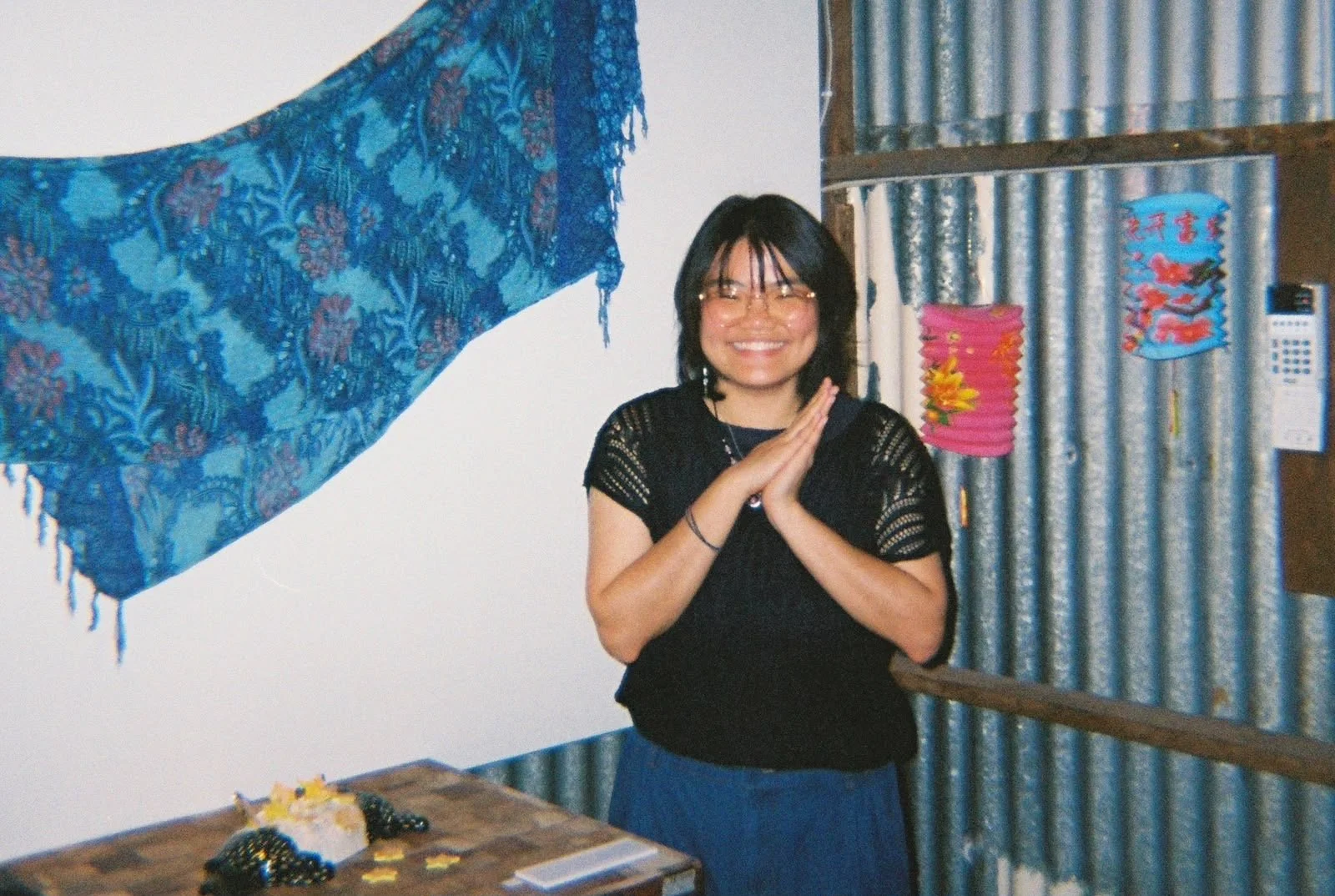
After talking with Shiang a few things became abundantly clear to me, that art has always been a part of her life ever since childhood.
She mentions that her father, an Architect, played a huge part in starting her journey in becoming an artist - the first person to ever teach her how to draw, with a crocodile being one of the first things she remembers learning. She says that growing up with a family that loves animals, those memories and sharing of interests became an important part of her artistic practice as a means for her to connect with family, culture, memories and to raise awareness for the natural world we share.
For Shiang, animals are more than just subjects for her artwork, they are a means to start a conversation, and to hopefully inspire viewers to ask questions. Although she notes “I want people to also have their own interpretation.” And for her the most rewarding response might simply be discovering something they didn’t know before. “If I can educate someone at the end of the day…‘oh, but I didn’t know that this thing existed,’ she says, “that is all that matters to me.”
Shiang now primarily works in ceramics creating beautiful, playful, and tactile animals that invite viewers to look closer at her work and ask questions. However, in the beginning of her journey as an artist she started as a painter. She recalls that from age 12 through to her 20s painting was her main medium, starting her journey by taking classes at the Dasein Academy of Arts in Kuala Lumpur.
But after years of creating and working in the two dimensions, she found herself burned out, mentioning that it wasn’t really until she moved to Adelaide and continued her studies that she encountered ceramics through an elective. “I used to think very 2D, and then when I started [ceramics], even the way I thought about things shifted, because now I can think in a more 3D perspective,” she says.
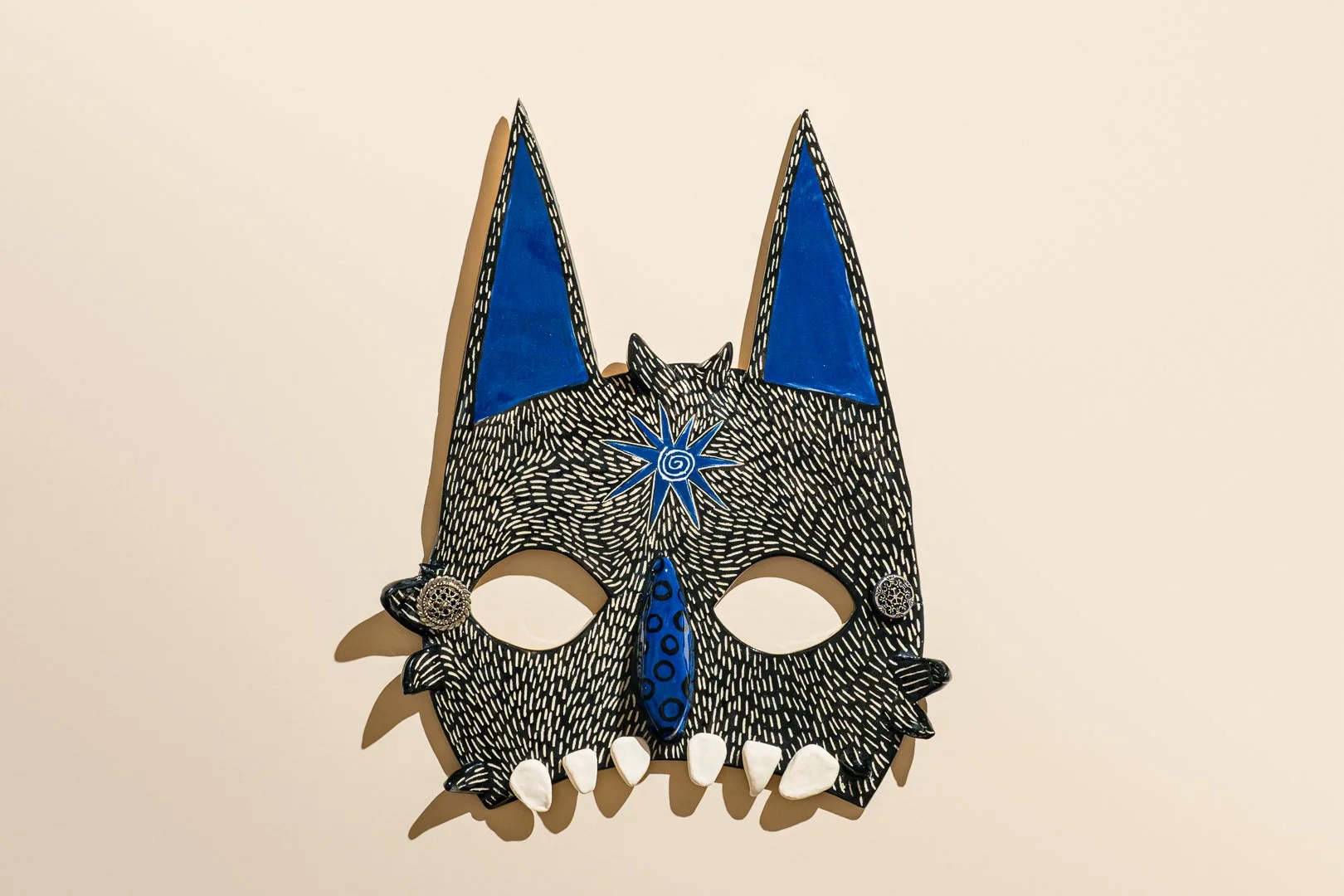
For Shiang, the freedom is part of the appeal in ceramics. Unlike painting they allow her to turn her ideas around, build it up, and interact with it from every angle rather than being withheld to the boundaries of a canvas. “I just think that’s so cool!”
Shiang mentions that moving to Australia also changed the way she understood her Malaysian culture and heritage. While living in Malaysia, her culture wasn’t necessarily something she consciously considered when making art. It was only after leaving home that she began to really explore her culture through her art. “When I’m away from home, that’s when I notice it starts to show more,” she says.
Her practice has since become a way for her to share aspects of her Malaysian culture with people who may have never experienced it themselves. For Shiang, bringing culture into her work is about storytelling, and taking what she knows to share with others. However, she’s noticed that while her heritage has now become more prominent in her work, Adelaide has also introduced influences into her creative practice.
Having grown up in cities in both Malaysia and Australia, she’s noticed the differences between Australia’s perspective on nature versus Malaysia’s. She describes she admires Australia’s sustainability, and that for her nature is something that influences her work due to it being something that is “mysterious, and almost otherworldly.” That relationship with nature has increasingly found its way into her work, because for Shiang her fascination with animals is deeply personal, they have become a way for her to explore environmental issues and give them a voice and a “chance in the spotlight”.
One of her works explores the plight of the Malaysian tiger, a critically endangered species, another features a tapir. By drawing attention to the threats these animals face, Shiang hopes to highlight these animals' significance in people’s eyes. And although social and political issues increasingly inform Shiang’s work, she doesn’t necessarily see herself as a political artist.
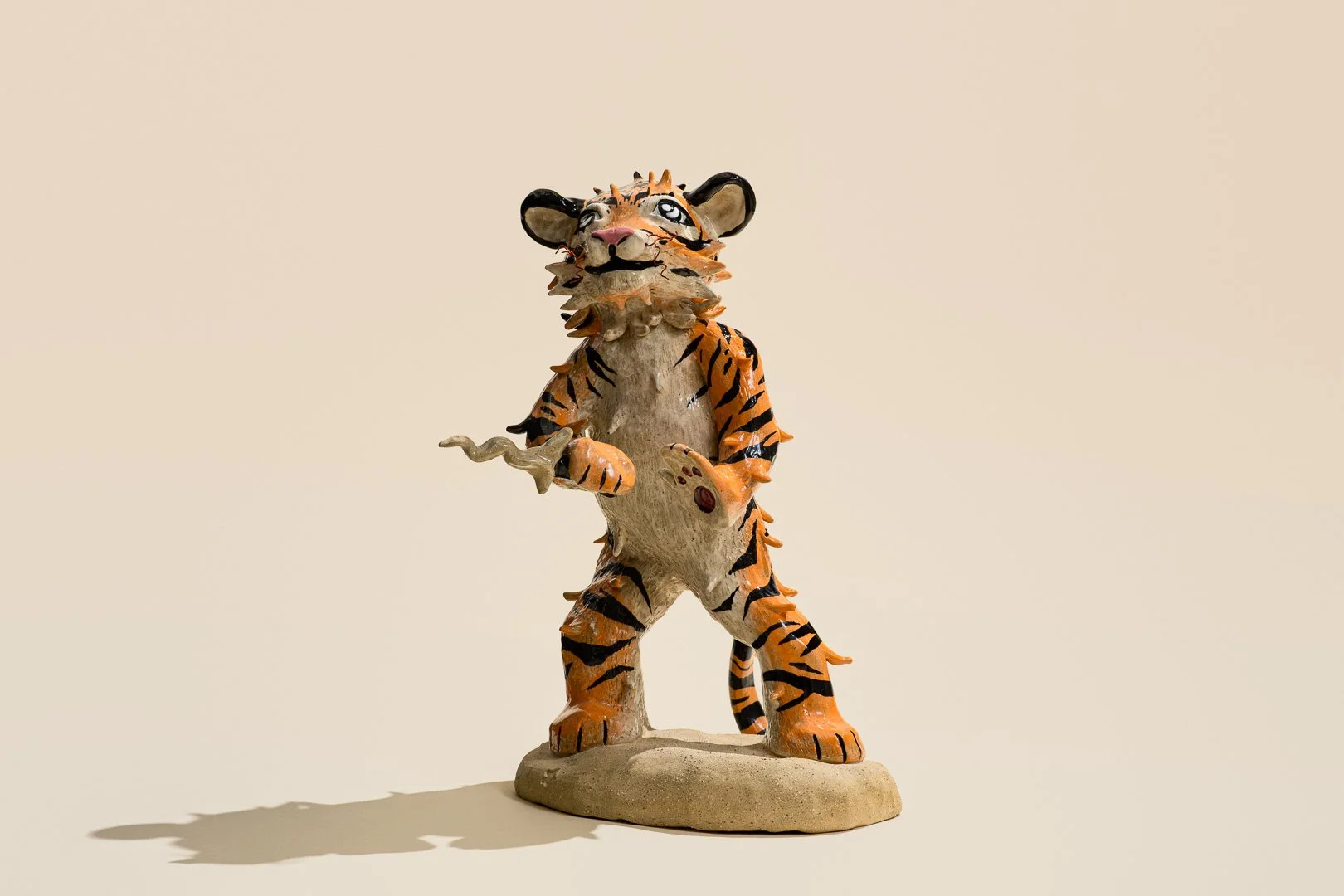
Instead, she sees her art as an opportunity to start conversations. She describes herself as “a tiny little ant in this entire world” but believes that even a small voice can have an impact. “I think that having a say and having a voice is what’s going to sort of drive something,” and her work provides an opportunity for us to pause for a moment and remind us that the world around us is much bigger than our own day-to-day lives.
Despite the challenges of artist burnout and struggling with how best to express herself as an artist, she finishes our conversation with a lasting message for young emerging artists. “Don’t give up”. She acknowledges that while life can get in the way, expectations to navigate, and moments where finding a ‘real job’ can seem sensible and even responsible, she wouldn’t give up her artistic practice for anything.
“At the end of the day, all your hand work will bear fruits,” she says. “You feel really happy and rewarded at the end. You’ve just got to keep pushing through.” And for an artist whose work asks us to slow down, look closer and pause to think about the world around us, perhaps persistence is part of her practice too.
While Shiang’s work might start and begin with clay, they certainly do not end there. They carry stories of home, family, nature, and the fragile ecosystems that surround us and give us, as viewers of her work, the avenue to start deeper, bigger conversations.
Words: Mathieu Egges-Bradley
Images: Courtesy of Wee Shiang Tay